
Last updated November 15, 2026
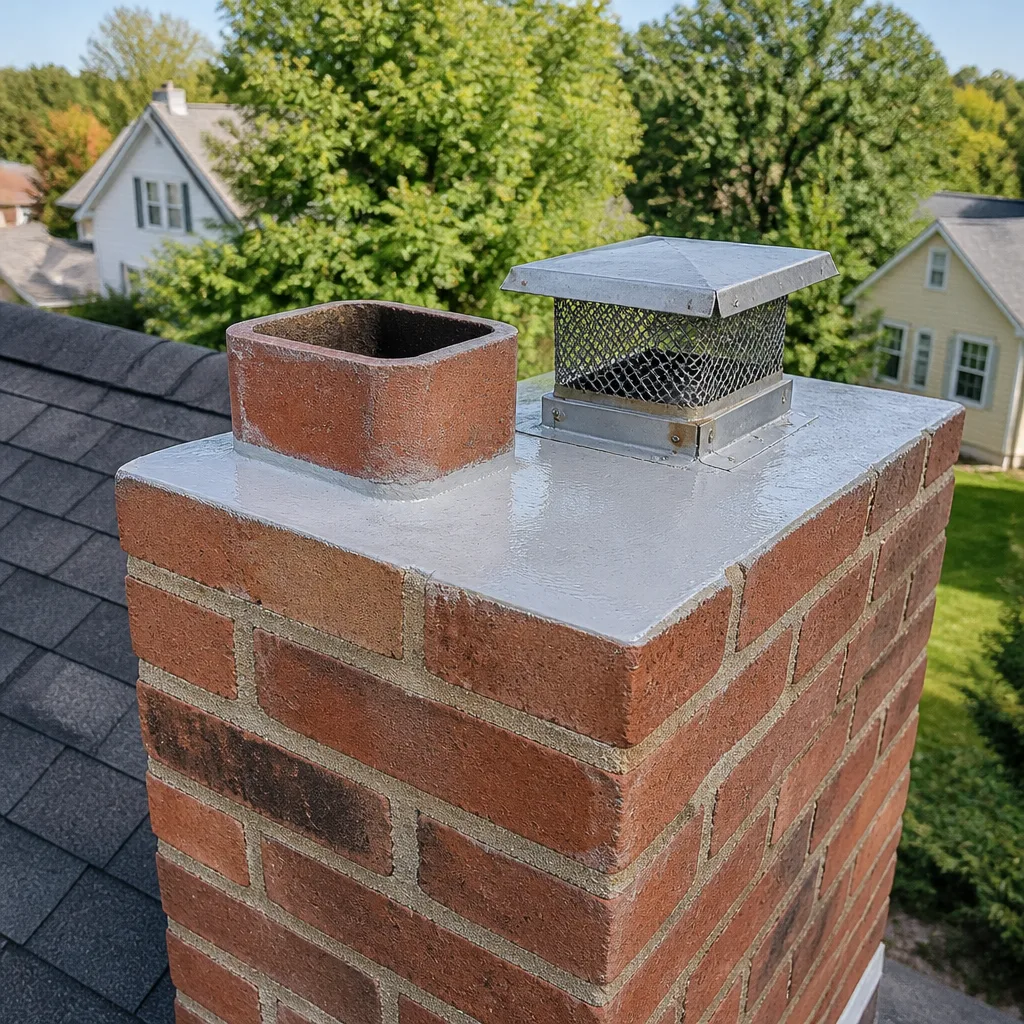 Sweep & inspection
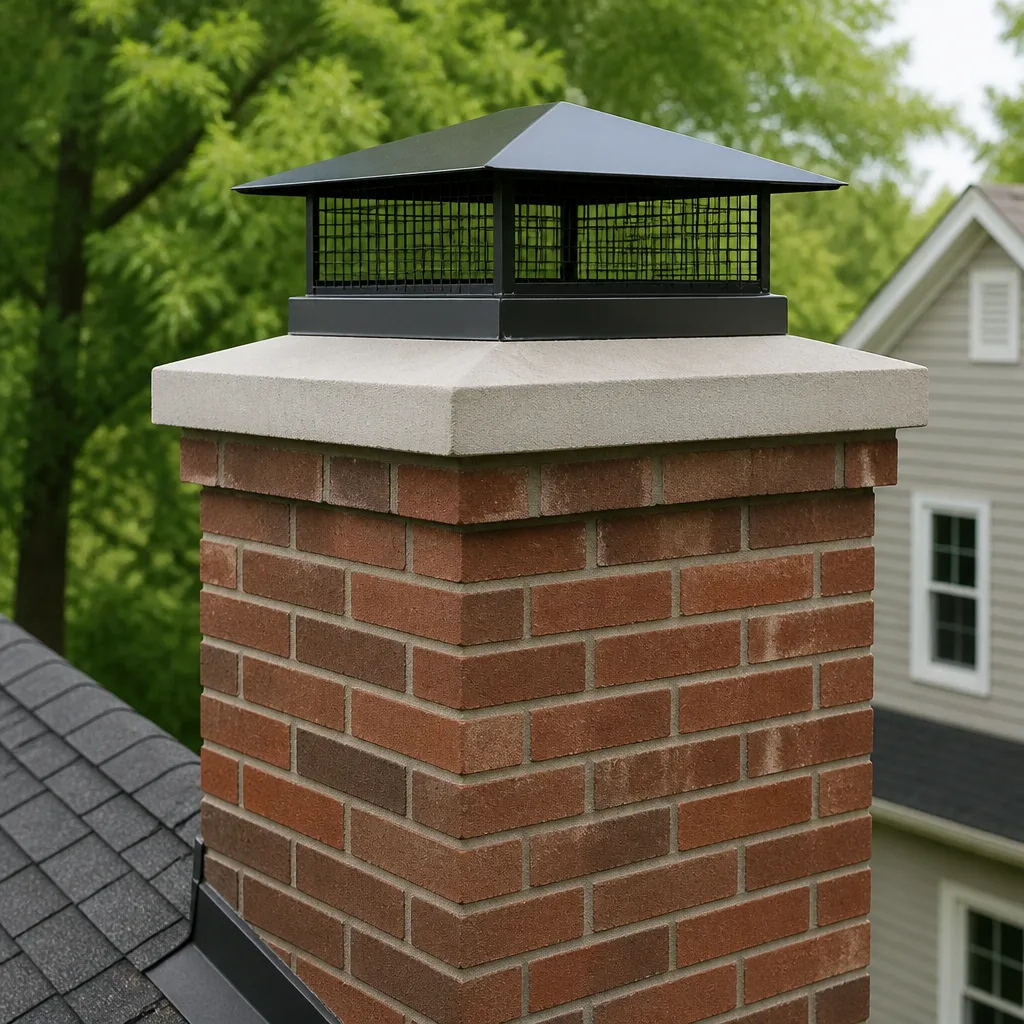 Caps & crowns
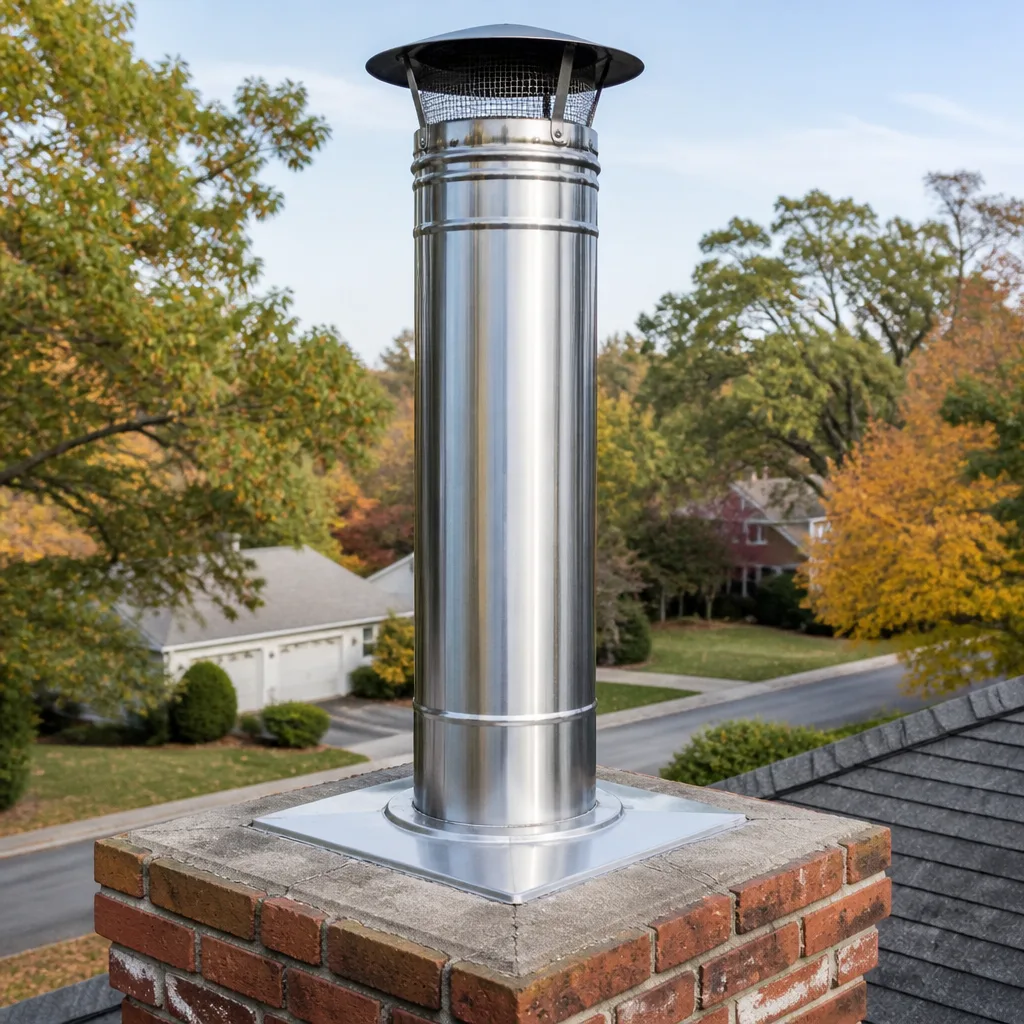 Flue relining
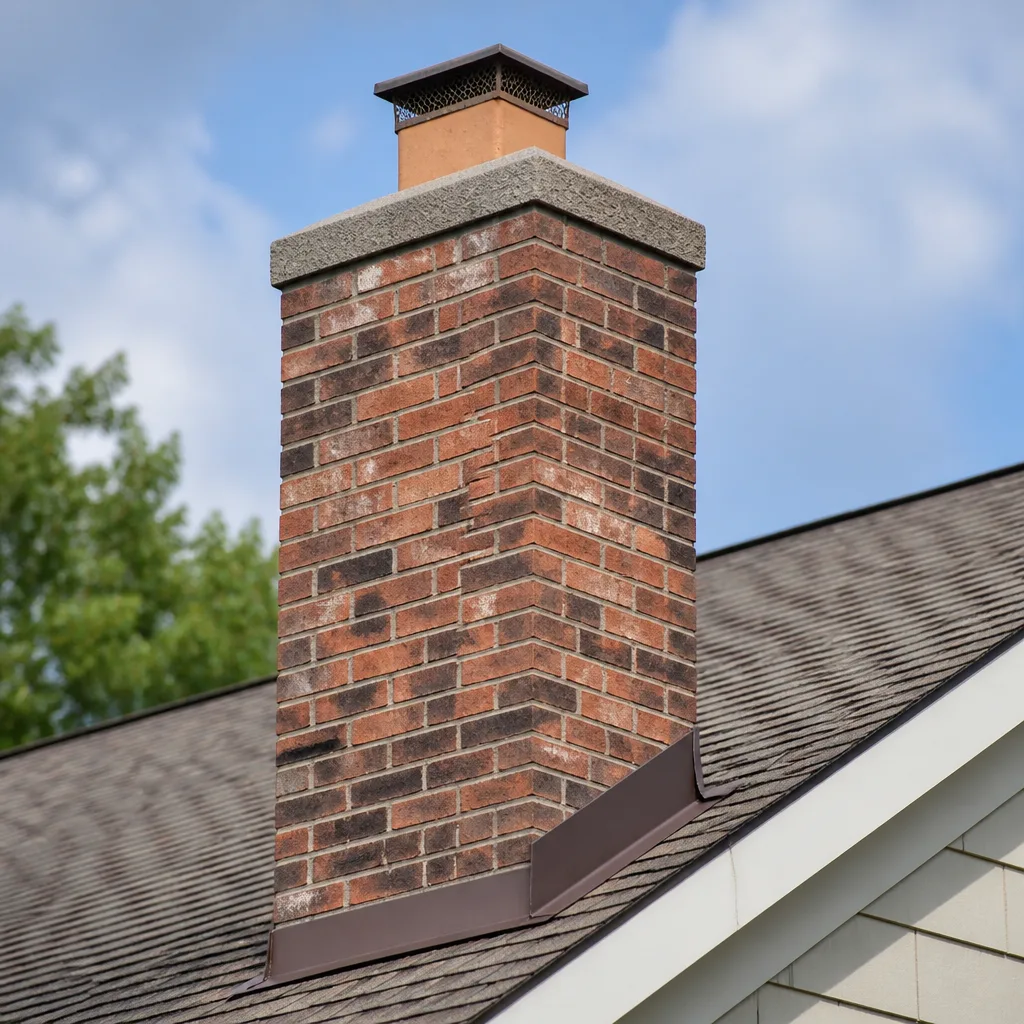 Masonry repair
 Gas fireplace service
Level 1 sweep and inspection to the NFPA 211 annual standard - flue, crown, cap, and flashing checked and photographed
Chimney sweep logs do not sweep chimneys. They loosen some creosote - which then falls where a brush and vacuum still have to collect it.
Chimney Sweep Troubleshooting in Fort Myers: Common Problems and How to Fix Them
If your fireplace smokes into the room every time it rains, a cleaning won’t fix it. That’s a pressure and draft problem, not a creosote problem, and sweeping it twice won’t change the outcome. The same goes for the sulfur smell that lingers after a summer storm and the fire that seems to struggle on a cool January evening. Each of those symptoms points somewhere different, and treating them all as “time for a sweep” wastes money and leaves the real issue in place. This guide is about reading the symptom correctly before you pick up the phone. We’ll walk through the common chimney problems we see in Fort Myers, what each one usually means, and what you can safely check yourself versus what needs a camera.
Quick Answer
Most chimney problems in Fort Myers fall into four groups: draft and backdraft issues (often caused by an oversized flue, a failing damper, or negative pressure in the house), moisture problems (spalling liners and rusted dampers from Florida humidity), animal and debris intrusion (failed caps and mesh screens), and creosote or soot accumulation that genuinely calls for a sweep. Diagnosing which group your symptom belongs to is the whole job. A sweep fixes only the last category.
Styles & brands we work with
- Sweep & inspection
- Caps & crowns
- Flue relining
- Masonry repair
- Gas fireplace service
Table of Contents
- Symptom-to-Cause Map: What Your Fireplace Is Telling You
- Smoke Backdraft When It Rains
- How Humidity Causes Liner Spalling in Fort Myers
- The Oversized Flue Problem in Older Fort Myers Homes
- Persistent Odor After Storms
- Chimney Cap and Mesh Screen Failures
- What You Can Safely Inspect Yourself vs. What Needs a Camera
- Building a Maintenance Rhythm for a Southwest Florida Chimney
Symptom-to-Cause Map: What Your Fireplace Is Telling You
Before we get into individual problems, here’s the troubleshooting framework we use. Chimney symptoms cluster. If you can match your symptom to the right cluster, you’ll know whether you’re dealing with a cleaning issue, a draft issue, a moisture issue, or a structural issue, and that determines who you call and what you ask for.
Here’s the map, as a numbered list you can work through:
- Smoke rolls into the room on start-up but settles once the fire is hot. Usually a cold-flue problem. The flue is cold and heavy, and the fire hasn’t yet pushed warm air up it. Pre-warming the flue with a rolled newspaper torch (held safely near the damper, not in the firebox) often solves it.
- Smoke rolls into the room every time, every fire, hot or cold. Draft failure. Common causes: oversized flue, blocked flue, negative pressure from a kitchen or bath exhaust fan, or a partially closed damper.
- Smoke comes in specifically when it rains. A pressure and cap issue, not a creosote issue. We’ll cover this in detail.
- Smoke comes in on windy days. Wind-driven downdraft. Often a cap or top-plate problem, or a flue that terminates too low relative to the roof.
- Persistent odor, especially after rain. Moisture reacting with creosote or soot deposits, or a sulfur smell from organic material (leaves, bird nests) decomposing in the flue.
- Water in the firebox, rust on the damper, staining on the firebox walls. Cap, crown, or flashing failure letting water in.
- Animals or scratching sounds. A missing or corroded cap and mesh screen.
- Crumbling material on the firebox floor, or flaky white deposits on the firebox walls. Spalling liner or refractory, usually driven by moisture.
Match your symptom to a number, and you’ll know which section of this guide to read next. If you’re getting more than one symptom at once, start with the moisture cluster (numbers 5 through 8), because moisture problems tend to make draft problems worse.
Smoke Backdraft When It Rains
Smoke that comes into the room specifically when it rains is a pressure problem, not a cleaning problem. A sweep won’t fix it. What’s happening is that the chimney, which normally pulls air up and out of the house, is being pushed the wrong direction by one of three things: a blocked or partially blocked flue cap that can’t shed wind-driven rain and downdraft together, a pressure differential between the house and the outdoors that flips when a storm front moves in, or a flue that’s simply too large for the firebox (which we’ll cover separately).
In Fort Myers, the summer storm pattern makes this one of the most common calls we get. A house that drafts fine on a calm January evening can smoke back on a wet July afternoon, because the storm pressure system changes how the chimney interacts with the house. The fix depends on the cause:
- If the cap is the wrong style or the mesh is clogged with soot and debris, replacing it with a proper wind-resistant cap (we use Gelco caps for this) usually solves the rain-triggered backdraft. The correct cap sheds water away from the flue opening and still ventilates.
- If the cap looks fine but the backdraft continues, the issue is usually house pressure. Running a kitchen or bath exhaust fan, or a clothes dryer, creates negative pressure that pulls smoke down the chimney. A pressure test during a storm (or a Level 2 camera inspection to confirm the flue isn’t partially blocked) will identify it.
- If the flue is oversized for the firebox, no cap will fix it. That’s a flue-size problem, and it needs a different solution.
The key insight here: rain-triggered backdraft and cold-weather backdraft feel similar to a homeowner, but they almost never have the same cause. Cold-weather backdraft is usually a cold-flue problem that resolves once the fire is burning hot. Rain-triggered backdraft gets worse the longer the fire burns, because the fire is fighting an uphill pressure battle. If your fireplace smokes more the longer you burn it, on a rain day, suspect pressure.
How Humidity Causes Liner Spalling in Fort Myers
Florida humidity is hard on clay tile liners, and in Fort Myers the combination of high humidity and a chimney that sits unused for months on end is a recipe for spalling. Spalling is when the surface of a clay tile liner flakes, chips, or crumbles off, and it’s usually caused by moisture getting into the tile and then expanding and contracting with temperature changes. You don’t need a freeze-thaw cycle to see it happen. In southwest Florida, the humidity itself, combined with the daily heat-up and cool-down of a chimney against the hotter and cooler outdoor air, is enough.
The problem accelerates when a chimney sits unused. A flue that isn’t getting regular fires to dry it out accumulates moisture from humid air. That moisture works into the surface of the clay tile. Over time, that surface flakes and spalls. The flakes fall into the firebox, where a homeowner finds them and wonders where the material is coming from. If the spalling has gone deep enough, the tile can crack, and a cracked tile means the flue is no longer a sealed conduit, which is when a chimney becomes a genuine safety issue.
Here’s how to identify spalling from the firebox without a camera:
- Look at the firebox floor when the fire is out and cold. Are there flakes or chunks of material that look like clay tile or mortar, not charred wood or ash?
- Look at the firebox walls (the brick or refractory surface around the fire). Are there white, chalky deposits or a flaky, peeling surface?
- Look up the flue with a flashlight from the damper. Can you see a smooth, even clay tile surface, or do you see flakes, cracks, or missing sections? (This is the limit of what you can see safely without a camera.)
- Check the damper plate. Rust or heavy corrosion on the plate, with no other explanation, points to moisture getting into the flue.
If you find flakes, the good news is that it doesn’t necessarily mean a full liner replacement. HeatShield ceramic flue resurfacer is designed to restore a spalled or cracked flue from the inside, smoothing the damaged surface and sealing cracks without demolition. It’s an industry-recognized alternative to a full reline, and it works well for exactly the kind of moisture-driven spalling we see in Fort Myers chimneys. A camera inspection confirms whether the spalling is shallow enough for HeatShield or deep enough to require a DuraFlex flexible liner.
The Oversized Flue Problem in Older Fort Myers Homes
If you live in one of the older Fort Myers neighborhoods, and your fireplace smokes every time you light it, there’s a good chance your flue is oversized. This is a specific, well-documented problem in homes built in the middle of the last century, and it’s a structural issue, not a cleaning issue.
Here’s the underlying principle. A chimney draft works because the firebox heats the air in the flue, and that hot air rises, pulling a fresh supply of air into the firebox. If the flue is too large for the firebox opening, the volume of air that needs to be heated is too big for the fire to heat fast enough. The air in the flue stays cool, the draft never establishes, and smoke backs into the room. Older homes often have decorative fireplaces built with a flue sized for a much larger firebox than the one actually installed, or with a flue volume that made sense for a wood-burning insert that’s since been replaced. The result is a fireplace that smokes no matter how hot you get the fire, or how many times you have it swept.
The tell: smoke rolls into the room every time you light a fire, hot or cold, regardless of whether the fire is burning well. It’s worse on still, damp days. And a sweep doesn’t help. If you’ve had the chimney swept and it still smokes, this is likely the cause.
The traditional fix is a flue liner that reduces the flue opening to the correct size for the firebox. A flexible liner sized correctly to the firebox opening restores the draft. We use DuraFlex flexible liner systems specifically because they can navigate the offset flues that older Fort Myers homes often have. A rigid liner can’t make the bends that a flexible one can, and an offset flue (a flue that’s not straight from the damper to the top) is common in older construction.
What to check yourself: measure the firebox opening (the width and height of the opening where the fire sits), and compare it to what you can see of the flue opening from the damper. If the firebox opening is much smaller than the flue, you’ve likely found your answer. The exact ratio that makes a flue “oversized” is a calculation for a technician, but the visual mismatch is a strong signal.
Persistent Odor After Storms
A persistent odor from a chimney is a symptom with several possible causes, and the specific smell tells you which one. This is one of the most misdiagnosed problems we see, because homeowners often assume a smell means a sweep, when sometimes a sweep makes it worse.
Here’s how the smells break down:
- Smoky, campfire smell, especially on warm humid days when the fireplace is off. Creosote and soot deposits reacting to humid air. This is the one case where a proper chimney sweep genuinely solves the problem.
- Sulfur or rotten-egg smell after storms. Almost always decomposing organic material in the flue. Leaves, bird nests, or insects have gotten past a failed cap or mesh screen, died or rotted in the flue, and the smell comes down into the house. The fix is removing the material and replacing the failed cap or screen.
- Musty, damp smell. Moisture getting in. Often a cap, crown, or flashing issue, sometimes combined with spalling liner. The fix is stopping the water intrusion and then addressing the damaged liner.
- Strong smell only in summer, gone in winter. Casa de humid air pushing down the flue when the chimney isn’t actively drafting. Often fixed by a top-sealing damper or a proper cap that blocks the chimney opening when it isn’t in use.
Notice that three of those four causes aren’t fixed by a sweep alone. A sweep removes creosote and soot. It won’t remove a rotten bird nest if the screen failure that let the bird in is still there, and it won’t fix a moisture problem. The order matters: identify the odor type, fix the entry point (cap or screen), remove the material, and then sweep if needed.
If your odor is the smoky kind, call for a chimney sweep and mention your symptom when you call. If it’s sulfur, say so, because that call needs a cap and screen inspection before a sweep, not after.
Chimney Cap and Mesh Screen Failures
Chimney caps and mesh screens in Fort Myers fail faster than the chimney itself, and when they do, they let in water, animals, and debris that cause the other problems we’ve covered. This is the single component that has the biggest downstream impact on chimney health, and in a southwest Florida climate it’s also one of the first things to go.
Here’s why caps fail here. The metal components of a cap and screen, exposed to the humidity and the frequent rain, degrade over time. Mesh screens clog with soot and debris, especially on chimneys that see regular use, and once they clog, the cap can’t ventilate properly. Once the mesh fails or the cap rusts through, the chimney is open to whatever’s outside: rain, insects, birds, squirrels, and leaves. The interior signs you’ll see as a homeowner:
- Scratching or fluttering sounds from the flue, especially in the early morning or at dusk.
- Leaves, twigs, or nesting material on the firebox floor.
- Water stains on the firebox walls or floor, or a persistently damp firebox.
- A sulfur smell after storms, as covered above.
- Visible rust, missing mesh, or a wobbling cap when you look at the chimney top from the ground with binoculars.
The fix is a proper cap and screen, not a big-box hardware-store substitute. We use Gelco chimney caps because they’re built to shed water and last, and Famco venting components where the job calls for them. Replacing a failed cap and screen is one of the few chimney repairs that’s often straightforward and done same-visit, because it doesn’t involve opening the flue. If you find animal intrusion, the cap and screen should be replaced, and the flue should be inspected to confirm the animal didn’t leave debris behind that’s now a draft or odor problem.
Don’t stand on your own roof to inspect a cap. The height and the footing make that a job for someone with the right equipment. Binoculars from the ground are the safe way to check.
What You Can Safely Inspect Yourself vs. What Needs a Camera
Homeowners ask us all the time what they can check themselves and what needs a professional. The honest answer is that you can safely do a surprising amount, and what you can’t do is specific: anything above the damper, and anything involving the flue interior, needs a camera. Here’s the breakdown.
Safe for a homeowner to check (fire out, firebox cold):
- The firebox floor for flakes, debris, or animal material.
- The firebox walls for white deposits, flaking, or staining.
- The damper plate for rust, corrosion, or difficulty operating.
- The firebox opening dimensions, to compare against what you can see of the flue.
- The chimney top from the ground with binoculars, for visible cap or screen damage.
Needs a technician (don’t do this yourself):
- Anything inside the flue above the damper. A flashlight from the damper sees only a few feet, and what you can’t see is what matters.
- Any inspection of the flue liner’s condition, including checking for cracks that a camera would reveal.
- Any inspection of the crown, flashing, or cap from the roof.
- Any inspection of the firebox’s structural integrity, once you’ve found flaking or spalling.
The reason this matters is that the problems that cause real safety issues are almost always above the damper. A spalled liner, a cracked tile, a blocked flue from a bird nest, or an offset flue that’s too large for the firebox are all invisible from the firebox floor. A Level 2 camera inspection is the tool that sees them. We include one on every sweep, because a cleaning that doesn’t confirm the flue’s structural condition is only half the job.
One caution specific to our trade: chimney work involves heights, and the flue interior can hide a deteriorated liner that’s sharp and unstable. Don’t reach into the flue to pull out debris. Don’t climb the roof to inspect the cap. Those are the two actions that send homeowners to the emergency room, and they’re exactly the jobs a trained technician with the right equipment is set up for. Our technicians have up to 9 years of experience, and they use cameras and proper laddering, not a flashlight and a hope.
Building a Maintenance Rhythm for a Southwest Florida Chimney
A chimney in Fort Myers has a different maintenance rhythm than a chimney in a cold climate. The reason is that the two biggest threats here aren’t creosote. They’re moisture and animal intrusion, both of which happen year-round, and both of which get worse when the chimney sits idle for long periods. Here’s the rhythm that works:
- Annual inspection, every year, whether the fireplace saw use or not. This is the baseline. A camera inspection once a year catches liner spalling, cap failures, and animal intrusion before they become the problems we’ve been covering. It’s the single most effective maintenance step.
- Sweep based on use, not on a fixed calendar. A fireplace used every winter evening needs the flue checked more often than one used a few times a season. The standard recommendation is a sweep when there’s a meaningful creosote deposit, which the technician measures during the inspection.
- Cap and screen check with every inspection. Given how fast caps fail here, it makes sense to inspect the cap and screen at the same time as the flue, and to replace them when they’re showing corrosion or the mesh is failing. We stock Gelco caps and Famco venting components for this reason: a failed cap found during an inspection can often be replaced the same visit.
- Post-storm check after a significant blow. Any storm strong enough to bring down branches is worth a look at the cap and the flue. If you smell sulfur afterward, call, because that’s a nesting or intrusion issue, not a draft one.
- Dryer vent sweep on the same schedule. If your chimney is a concern, your dryer vent is too. A clogged dryer vent is the leading appliance-related cause of house fires nationally, and the accumulation problem is the same. Our dryer vent cleaning is a dedicated service for exactly this, and it’s worth scheduling alongside the chimney inspection rather than as a separate contractor call.
The rhythm isn’t complicated. It’s annual inspection, use-based sweeping, cap and screen checks, post-storm checks, and dryer vent cleaning on the same calendar. That’s it. What makes it work in Fort Myers is the year-round attention to moisture and intrusion, which is different from what a cold-climate homeowner needs to think about.
Common Mistakes to Avoid
- Assuming every chimney problem is a creosote problem. Smoke, odor, and slow draws each have a different root cause, and only one of them is fixed by a sweep. Calling for a sweep when you have a draft problem wastes money and leaves the real issue in place.
- Ignoring the cap and screen because the flue was just cleaned. A clean flue and a failed cap are two different problems. The cap is what keeps the flue clean. If the cap is corroded or the mesh is gone, the next storm re-clogs the flue and the cycle repeats.
- Putting off the annual inspection because the fireplace wasn’t used this year. Moisture spalling and animal intrusion don’t depend on the fireplace being used. The idle chimney is often the one with the worst problems, because nothing dries it out and nothing flushes the flue.
- Reaching into the flue or climbing the roof to inspect the cap. Both of those actions are how homeowners get hurt, and neither gets you a real answer. Binoculars from the ground and a flashlight from the damper are the safe alternatives.
- Treating the rare smoky-summer-day smell as a sweep problem when nothing’s burning. A musty or smoky smell with the fireplace off is usually a moisture or draft-control issue, not a creosote issue. Sweeping it doesn’t fix the cause.
- Skipping the dryer vent because the chimney looks fine. The two share the accumulation and intrusion risks, and a dryer vent overlooked because the chimney got attention is a known fire risk. If the chimney gets an annual inspection, the dryer vent should too.
- Buying a hardware-store cap and screen as a quick fix. A budget cap that doesn’t fit the flue opening properly can make backdraft worse. It’s worth using a cap sized and installed for your flue, which is what a professional installation involves.
See the difference
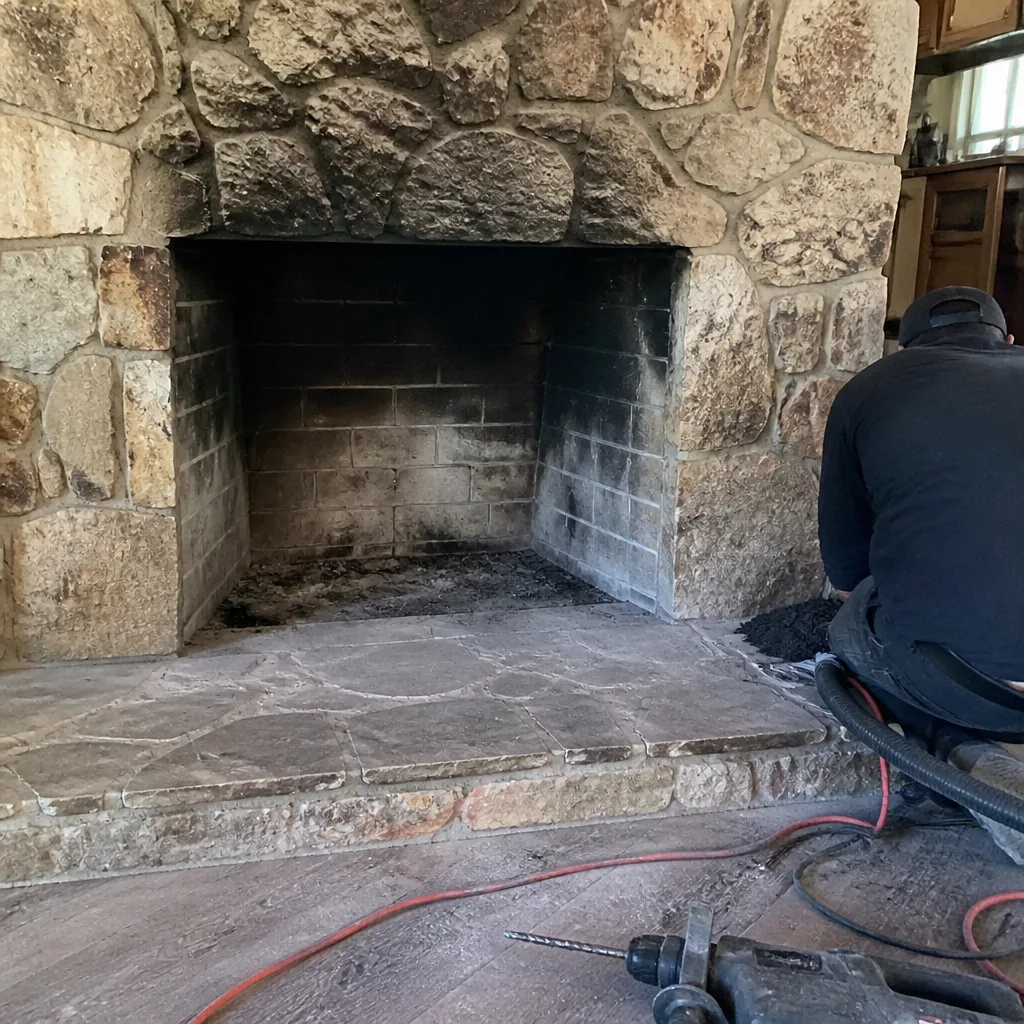 Before
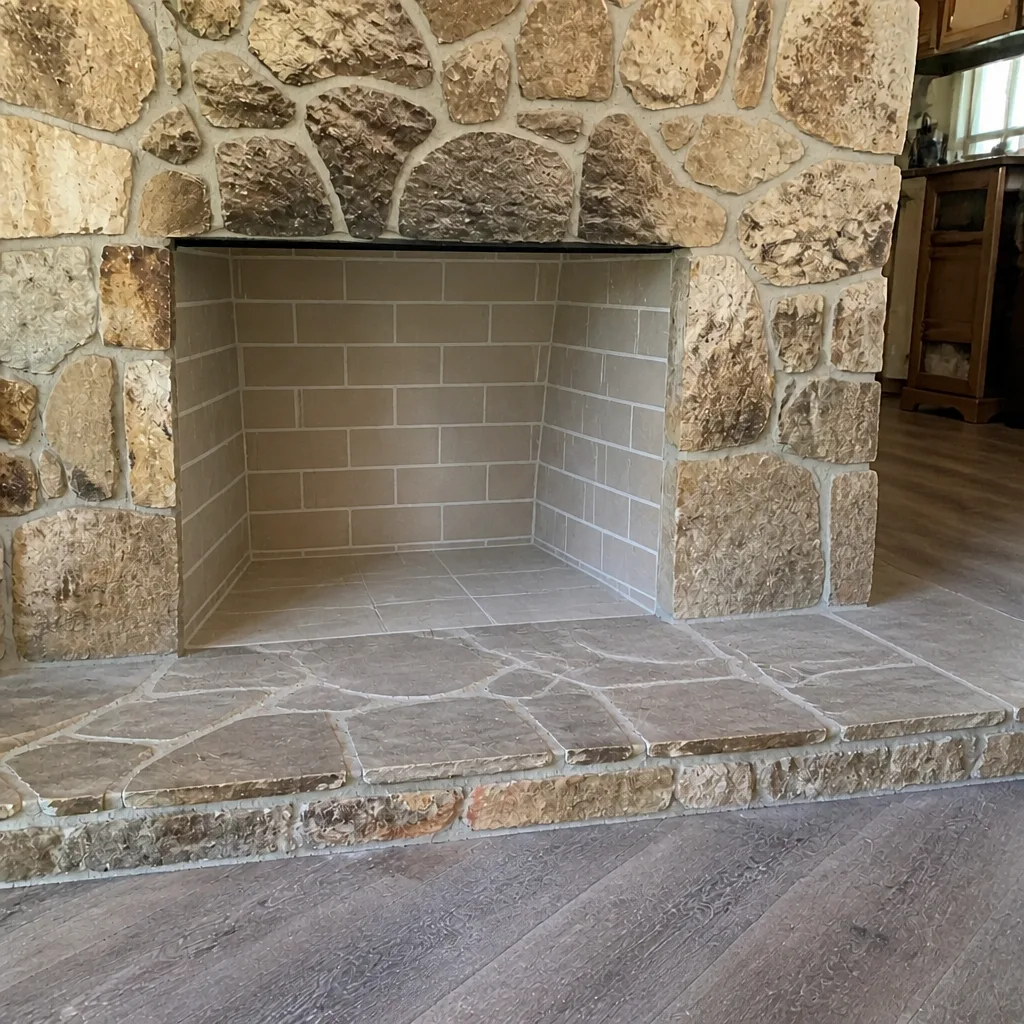 After
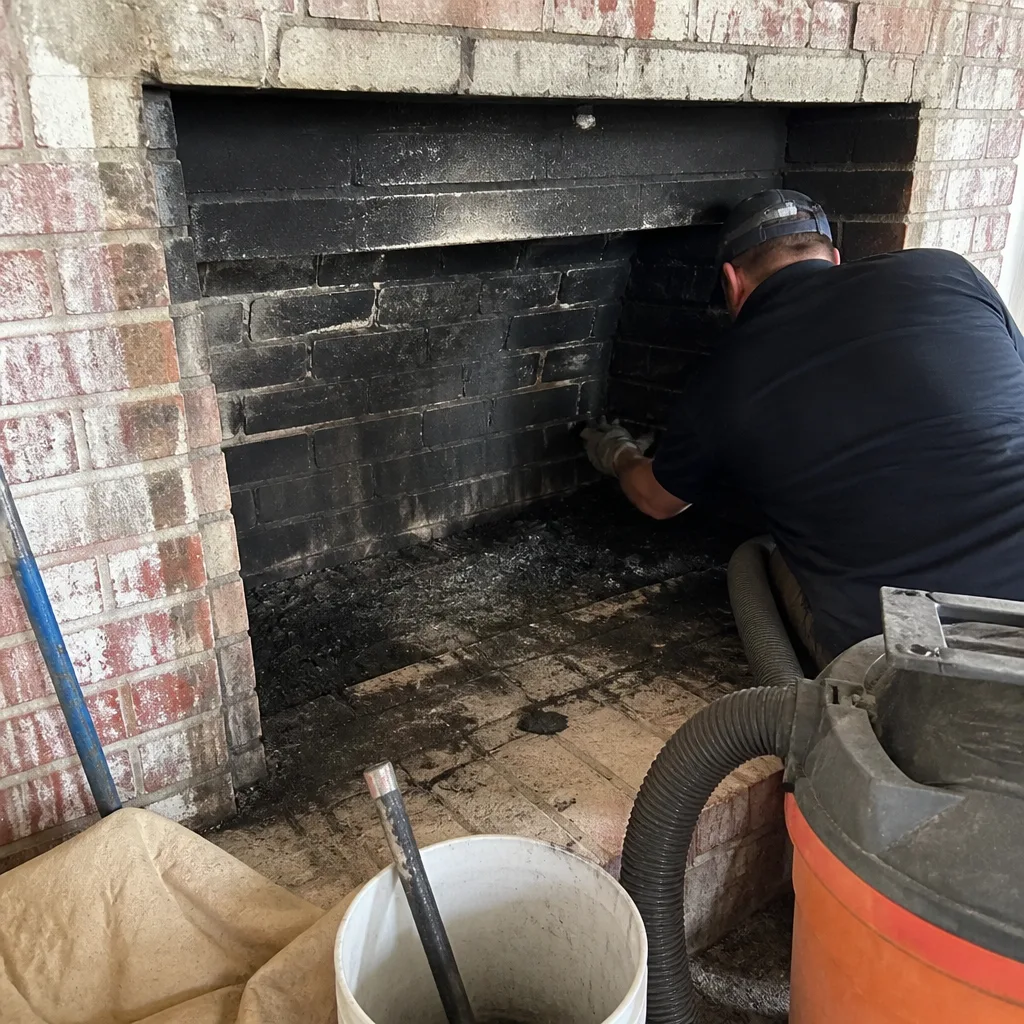 Before
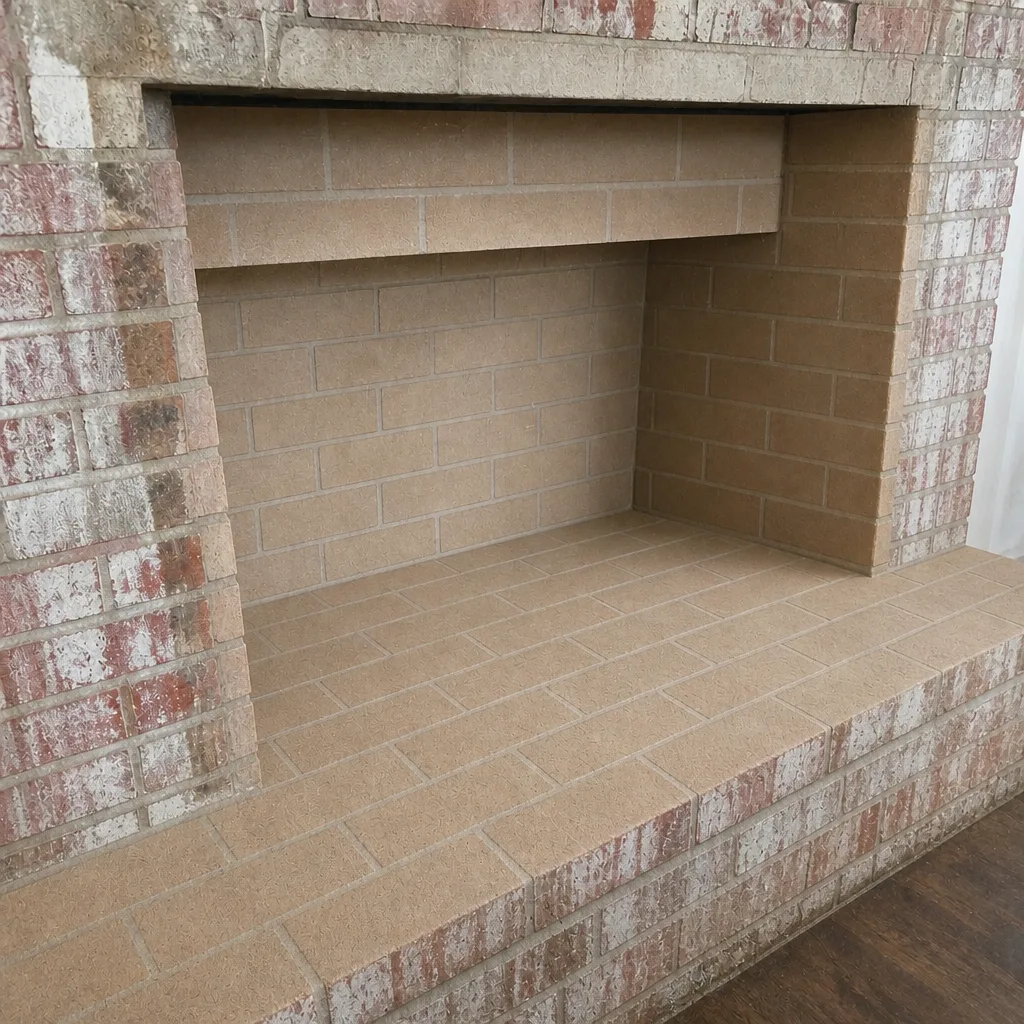 After
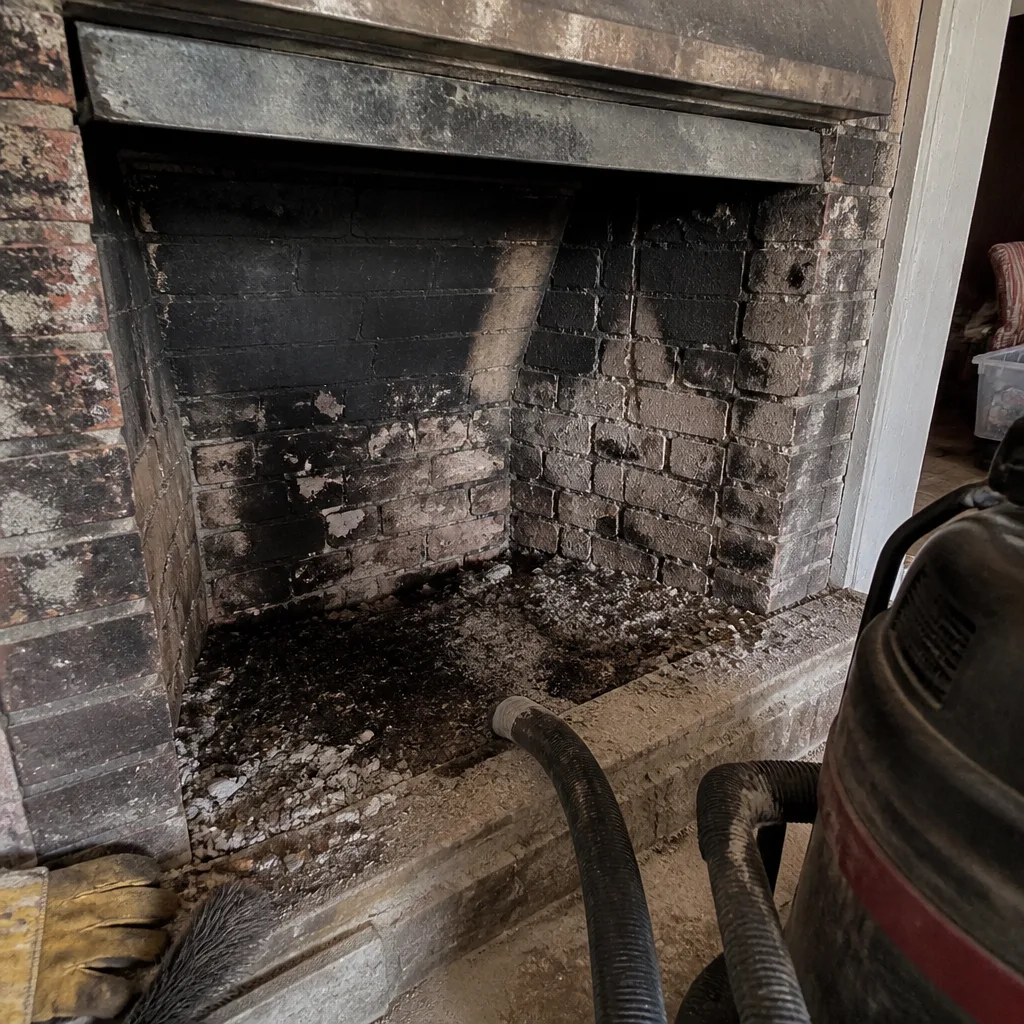 Before
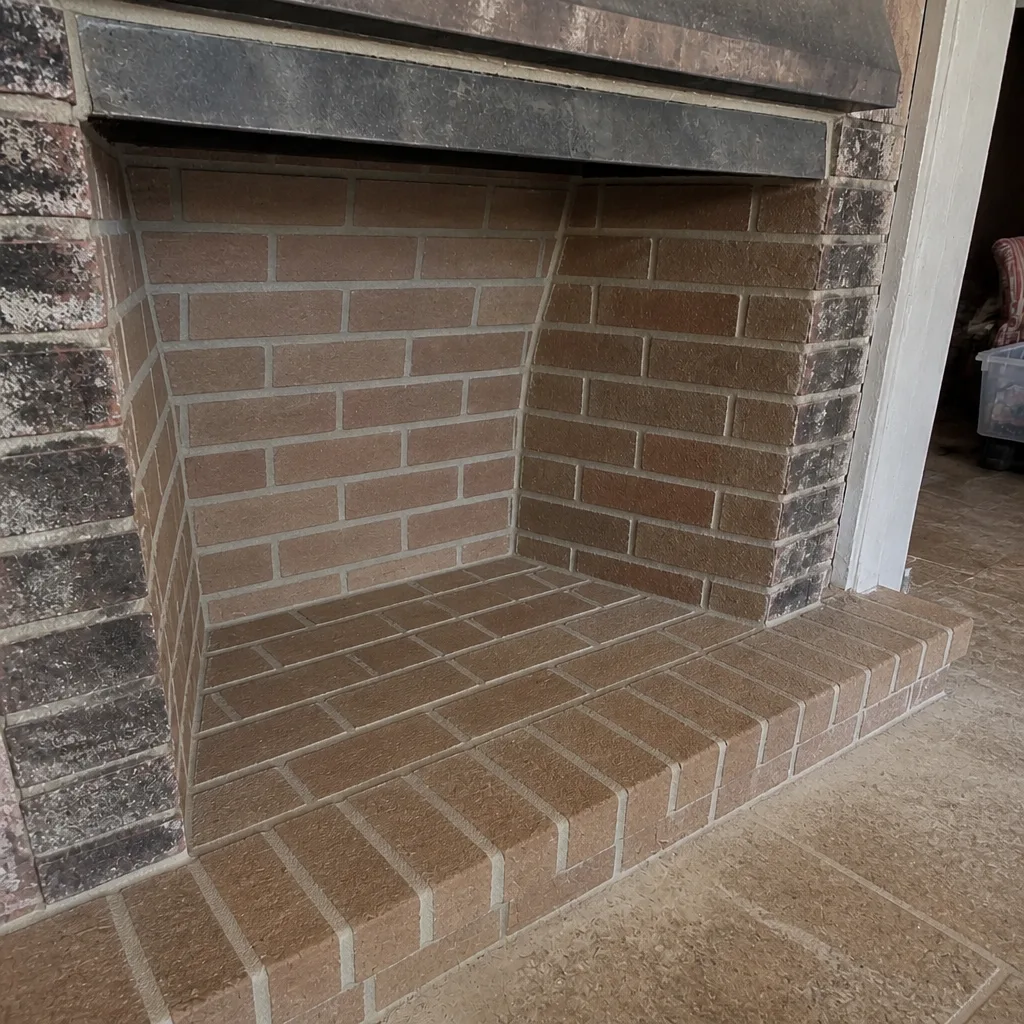 After
When to Call a Professional
Some of these problems you can diagnose yourself, and some you shouldn’t touch. Call us when:
- Smoke rolls into the room every time you light a fire, hot or cold (this needs a camera inspection to check the flue for an offset or a blockage).
- You find flakes or chunks of clay-like material on the firebox floor, or white flaky deposits on the firebox walls (possible spalling, needs a camera).
- You smell sulfur or musty odor after storms, especially with scratchy sounds from the flue (animal intrusion or moisture).
- You see rust, missing mesh, or a wobbling cap from the ground with binoculars (cap and screen replacement).
- You’ve had the chimney swept and it still smokes (likely an oversized flue or a draft problem, which a sweep can’t fix).
- You’re scheduling an annual inspection or the first inspection since you moved in.
We’re Fort Myers Chimney Sweep, and we offer free estimates in Fort Myers. Call (844) 834-3136 to schedule. We answer 24/7, with fast dispatch from 7am to 7pm, Sunday through Friday. Repairs use professional-grade materials throughout: HeatShield, Gelco, Famco, DuraFlex, Olympia Chimney, and Copperfield, not hardware-store substitutes. If your problem is one we can identify over the phone from your symptoms, we’ll tell you what to expect before anyone comes out.
Frequently Asked Questions
A standard chimney sweep in Fort Myers typically runs in the low hundreds of dollars, and a camera inspection is usually included on a cleaning visit. Prices vary with the flue configuration and whether any repair work is involved. We set the price per job by written estimate, so there are no surprise charges after the work is done. Call (844) 834-3136 for an exact quote – estimates are free.
Not always. A spalled or lightly cracked flue can often be resurfaced with HeatShield ceramic flue resurfacer, which avoids a full reline. A full replacement with a DuraFlex flexible liner is usually reserved for greater damage or an offset flue that needs a properly sized liner. The decision comes from a camera inspection, and you see the footage, so you can verify the recommendation yourself. Nothing is recommended that you can’t see on the camera. Call (844) 834-3136 if you want an inspection – estimates are free.
Inspect annually, and sweep based on measured creosote rather than a fixed calendar. A fireplace used most winter evenings might need the flue swept more often than one used a few times a season. The annual inspection is the non-negotiable part, and the technician measures the deposit during that visit. Call (844) 834-3136 to schedule an inspection.
That’s a pressure and draft issue, not a creosote issue. The most common causes are a cap or mesh that’s badly suited to wind-driven rain and downdraft, negative house pressure from exhaust fans or a dryer, or an oversized flue. A sweep won’t fix it, but a cap replacement, a pressure test, or a camera inspection to confirm the flue condition will identify the cause. Call (844) 834-3136 to book an inspection – estimates are free.
Skipped inspections let moisture spalling and animal intrusion go unnoticed, and both of those worsen quietly. Spalling liner can deepen to the point of cracking (which is a safety issue), and intrusion can block the flue and cause odor, moisture, and draft problems. The problems we see most often in Fort Myers chimneys are exactly the ones that would have been caught at the annual inspection. Call (844) 834-3136 to schedule one.
Yes, we do. Our dryer vent cleaning is a dedicated service, and it’s worth scheduling alongside the chimney inspection because the accumulation and intrusion risks are similar. A clogged dryer vent is the leading appliance-related cause of house fires nationally, so a dryer vent that’s never been cleaned is worth the same attention as the chimney. Call (844) 834-3136 to schedule – estimates are free.
The Bottom Line
The single most important skill in chimney troubleshooting is reading the symptom correctly. Smoke that rolls in on rain days points to a pressure issue, not a creosote issue. A smell after storms points to intrusion or moisture, not a sweep. Flakes on the firebox floor point to spalling driven by humidity. An older home that smokes every time points to an oversized flue. Fixing the wrong problem costs money and leaves the real one in place. If you live in Fort Myers and something about your fireplace has changed, the right first call is an inspection with a camera, so the diagnosis comes from evidence and not from a guess. From there, the fix is usually straightforward: HeatShield for spalling, DuraFlex for an oversized or offset flue, Gelco and Famco for the cap and venting, and a sweep when there’s creosote to remove.
If you’re in Fort Myers, call (844) 834-3136. We answer 24/7. Fast dispatch from 7am to 7pm, Sunday through Friday. Estimates are free, and the written estimate sets the price. We’ll diagnose the symptom, show you what the camera sees, and tell you plainly when a repair can safely wait.
Written by the team at Fort Myers Chimney Sweep.