
Last updated November 15, 2026
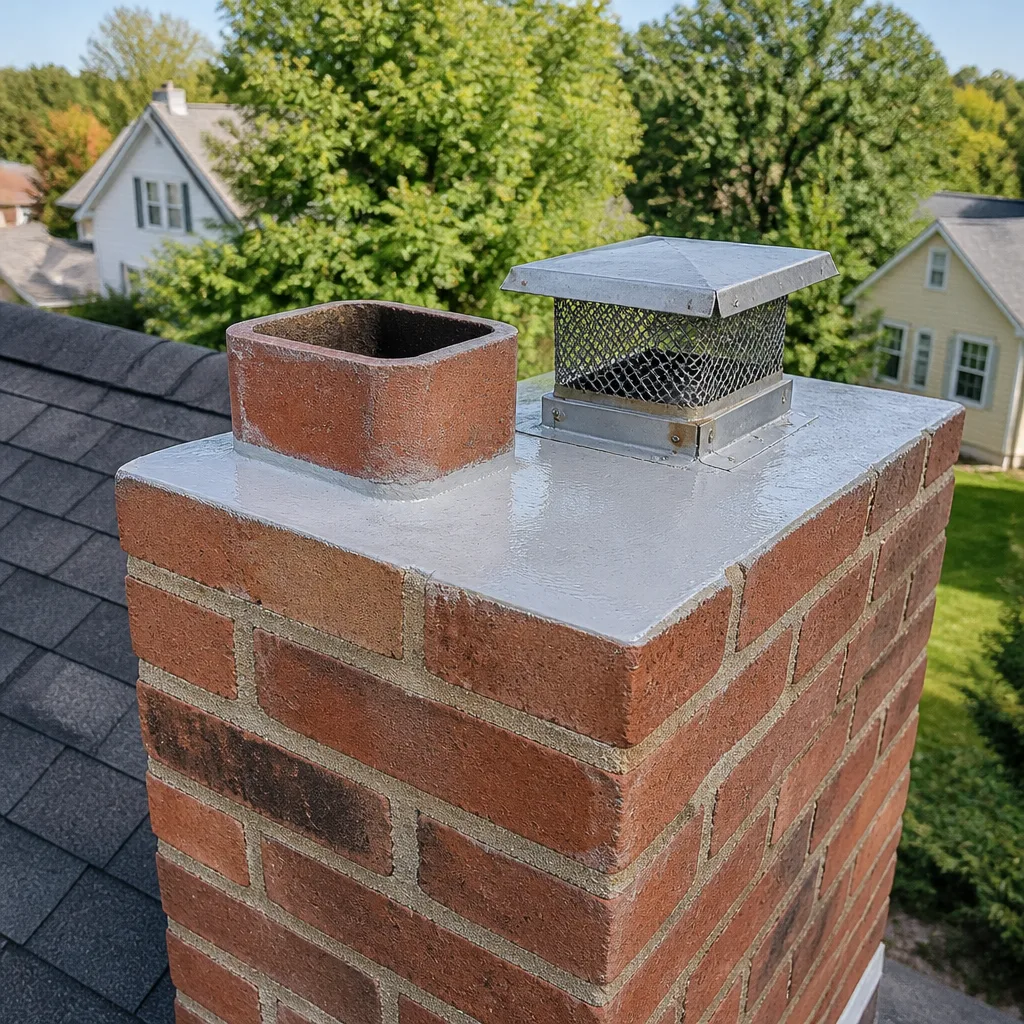 Sweep & inspection
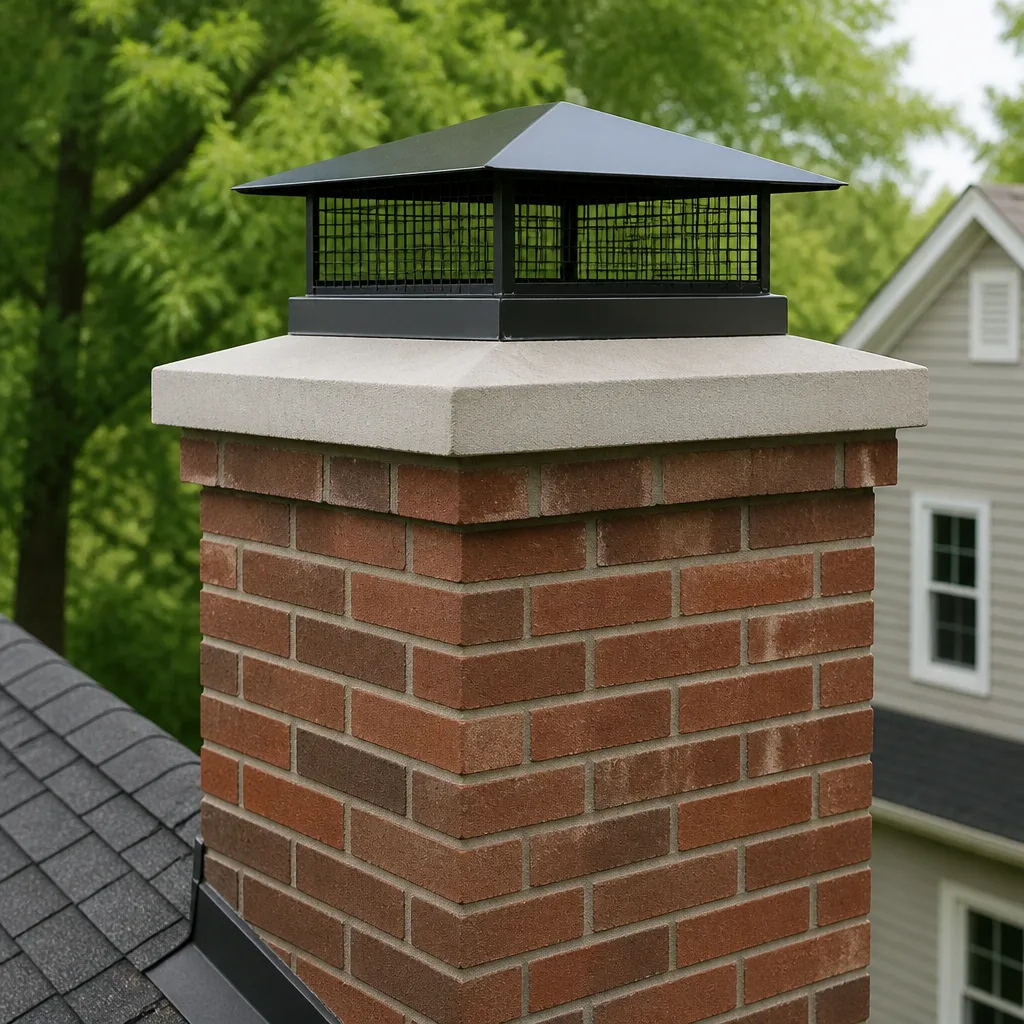 Caps & crowns
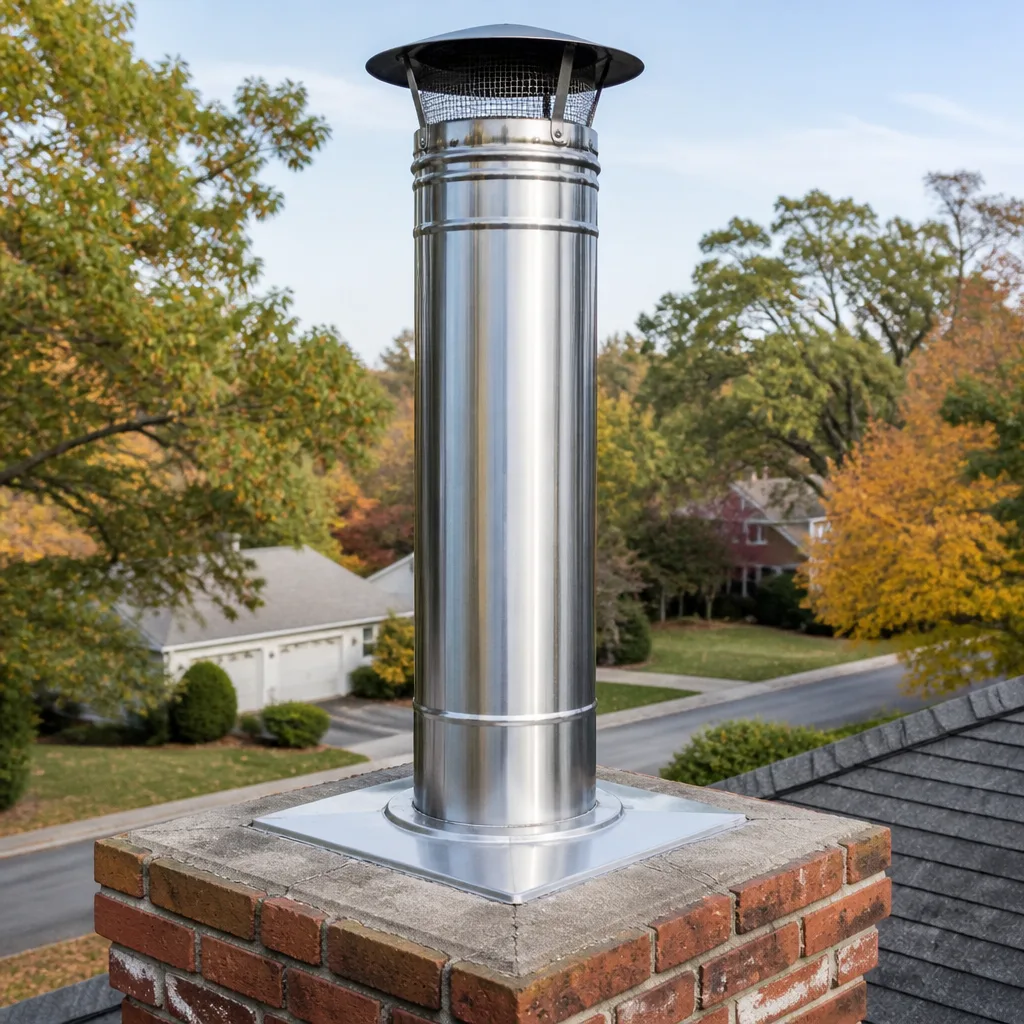 Flue relining
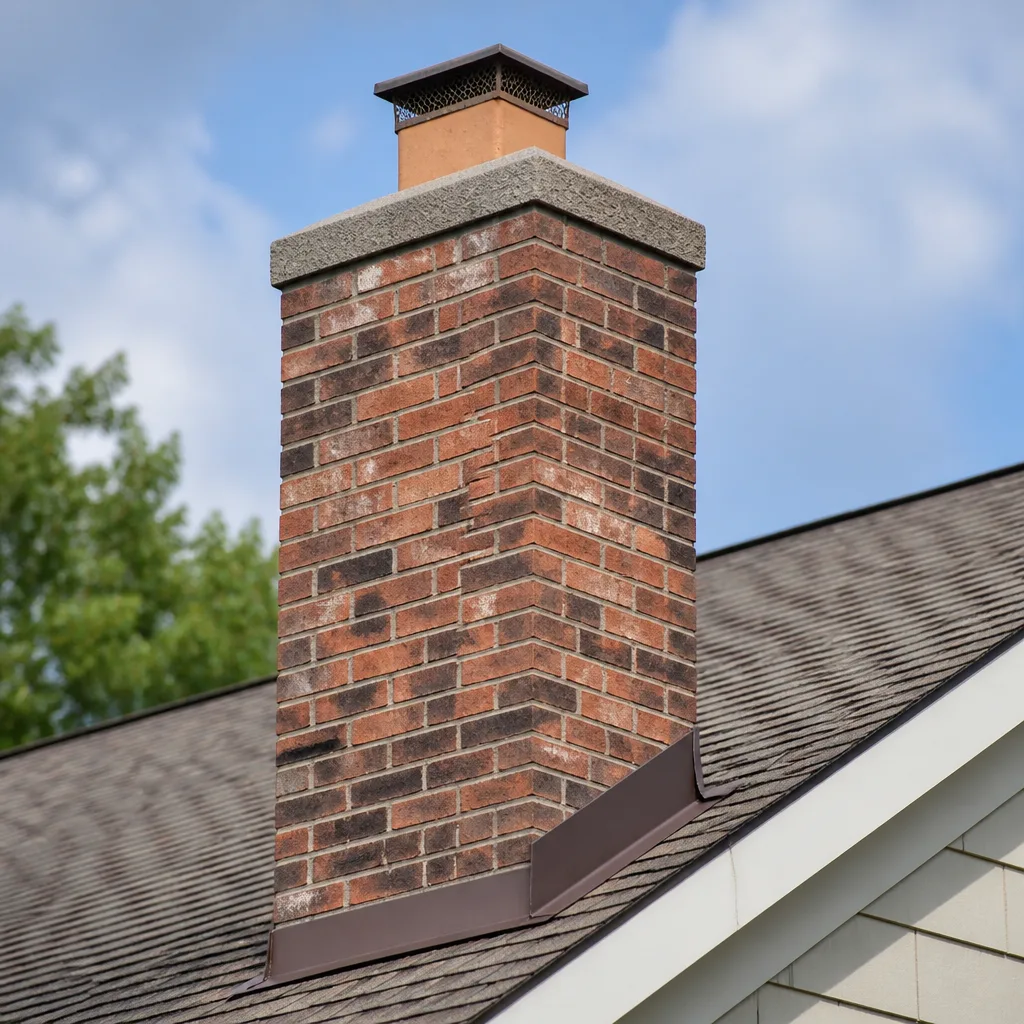 Masonry repair
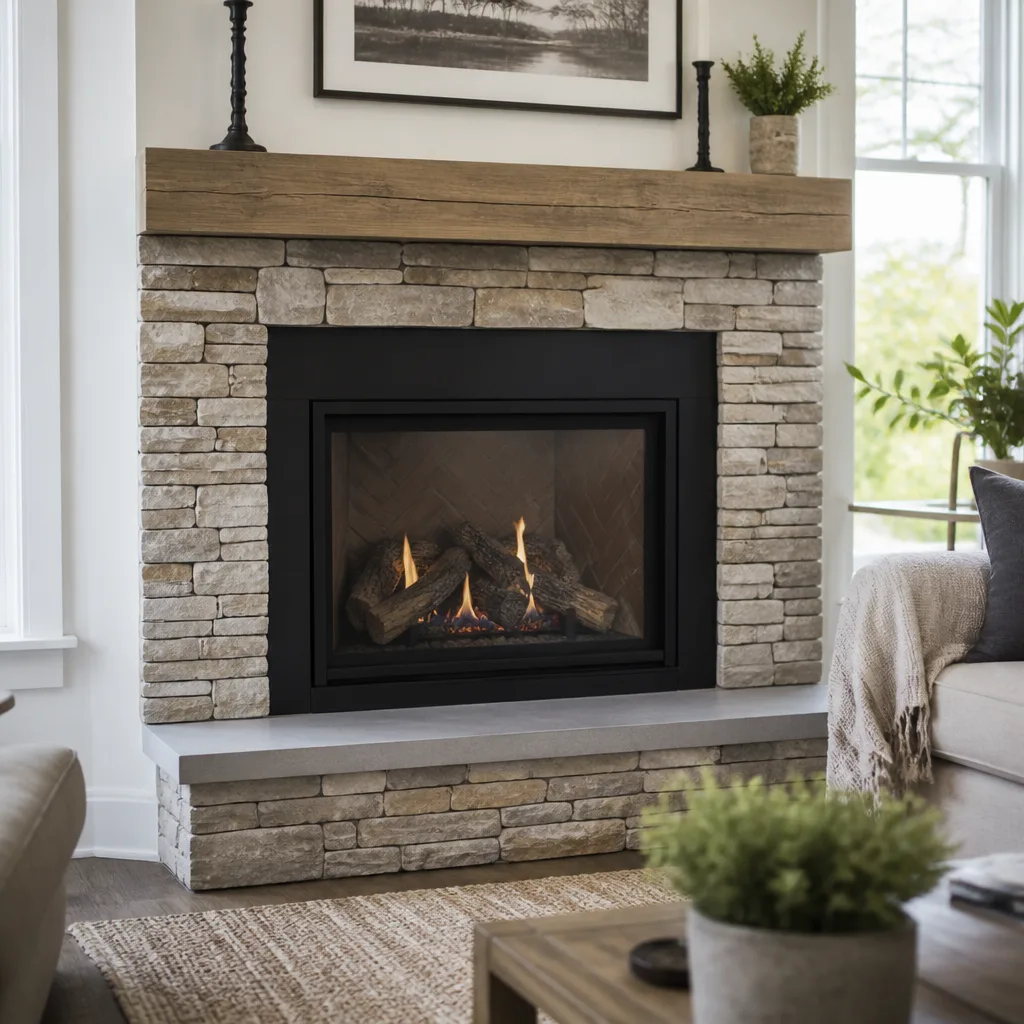 Gas fireplace service
Level 1 sweep and inspection to the NFPA 211 annual standard - flue, crown, cap, and flashing checked and photographed
Chimney sweep logs do not sweep chimneys. They loosen some creosote - which then falls where a brush and vacuum still have to collect it.
The Complete Guide to Chimney Cleaning in Fort Myers
Most chimney fire data you’ll find online comes from cold states where fireplaces run every night from October through March. That’s not Fort Myers. Here, a chimney might see a dozen fires a year, and the other 350 days it sits quiet, warm, and dark – which is exactly what makes it attractive to nesting wildlife, moisture, and the slow decay that comes from humid air settling into a flue nobody’s looking at. A low-use chimney isn’t a safe chimney. It’s often a neglected one. This guide covers what chimney cleaning actually involves in Southwest Florida’s climate, the hazards that build up when a flue goes unused, how inspections are classified, and what to know before you book a sweep for a home in Fort Myers.
Quick Answer
Chimney cleaning in Fort Myers means removing creosote, soot, nesting debris, and moisture damage from a flue that often goes months without use, then inspecting the liner, firebox, cap, and damper for the specific problems humid Gulf Coast conditions create. A professional sweep uses rotary brushes and HEPA vacuuming – not a handheld brush and a shop vac – and should walk you through what was found with photo evidence. Because Florida chimneys sit idle so much of the year, cleaning here is less about winter buildup and more about animal nests, moisture degradation, and structural issues that go unnoticed.
Styles & brands we work with
- Sweep & inspection
- Caps & crowns
- Flue relining
- Masonry repair
- Gas fireplace service
Table of Contents
- Why Fort Myers Chimneys Need Cleaning for Reasons Cold-Climate Guides Miss
- What Wildlife Does to an Idle Chimney
- Humidity, Mortar, and the Slow Damage Nobody Sees
- Level 1, 2, and 3 Inspections – Which Do Fort Myers Homes Need?
- What a Real Professional Cleaning Actually Includes
- Salt Air, Stainless Caps, and Why Components Matter
- How Often Should You Schedule a Sweep?
- Common Mistakes to Avoid
Why Fort Myers Chimneys Need Cleaning for Reasons Cold-Climate Guides Miss
If you search “how often should I clean my chimney,” most of what comes back assumes a northern heating schedule – annual sweeps tied to cords of firewood and months of continuous use. Applied to a Fort Myers home, that guidance is misleading in both directions. It overstates the creosote risk in a fireplace that runs twenty times a year, and it completely ignores the problems that actually show up here: animal nests packed into a flue, mortar joints going soft from humidity, and dampers seized from corrosion.
In our experience, the most common surprise when we open up a Southwest Florida flue for the first time is not creosote. It’s what else is in there. A chimney that’s cold, dry, and undisturbed is genuine real estate for wildlife, and once something has nested, it tends to come back season after season unless the flue is capped properly.
There’s also the creosote factor to consider even with light use. Creosote forms any time you burn wood, and it accumulates regardless of volume. A fireplace used occasionally still builds up glaze over time, especially if the wood isn’t well-seasoned. What changes in Florida is the timeline, not the rule. Creosote is flammable at any concentration, and a chimney fire doesn’t care whether it’s February or July – it cares whether there’s fuel on the flue walls and a hot enough spark to ignite it.
The other thing homeowners don’t expect: gas fireplaces and wood-burning inserts have their own cleaning and inspection needs. A gas log set still produces moisture and can develop soot, and a vented gas appliance relies on its flue working correctly just as a wood fireplace does. If you’re in a home with a gas appliance – furnace, water heater, or fireplace – the chimney or vent that serves it deserves the same attention, for the same reason.
That’s the first misconception worth correcting: in Fort Myers, chimney cleaning isn’t a winter chore. It’s year-round preventive work, and the case for doing it doesn’t depend on how often you light a fire.
What Wildlife Does to an Idle Chimney
Raccoons, birds, squirrels, and occasionally bats treat uncapped chimneys as shelter, and Fort Myers’s warm climate means nesting season runs long. A flue that sits dark and quiet for eight months is essentially a hollow tree to an animal looking for a den, and once a nest is built, it creates real problems that have nothing to do with creosote.
Here’s what a nest actually does to a chimney:
- Blockage. Nesting material – twigs, leaves, insulation, and droppings – can narrow or plug the flue, which reduces draft and, in a gas appliance situation, can push combustion byproducts back into the living space.
- Carbon monoxide risk. If a flue is blocked, an appliance that depends on it can’t vent properly. That’s a genuine safety issue, not a hypothetical one.
- Damage from the nest itself. Animals pull at mortar, chew at liners, and their droppings are acidic. Left in place, nesting debris holds moisture against the flue walls.
- Attraction. Once a chimney has been nested in, the scent and residual material pull new animals the following season unless the source is cleaned out and the flue is capped.
Cleaning out a nest is not a job for a homeowner on a ladder with a broom. Vermin in a chimney, particularly bats, carry health concerns and local wildlife rules apply to their removal. This is one of the clearest cases where a professional sweep earns its fee – the flue needs to be fully cleared, cleaned, and then sealed correctly with a cap.
That’s why capping comes up so often in chimney conversations here. A proper stainless chimney sweep visit should include checking whether the flue is capped and whether the cap is still doing its job. A damaged or missing cap is an open invitation. Gelco caps are one of the professional-grade components we work with, precisely because a cap is a component that needs to survive weather and last – not a decorative lid.
Humidity, Mortar, and the Slow Damage Nobody Sees
Without freeze-thaw cycles, you’d assume a Fort Myers chimney escapes the mortar deterioration that northern homeowners deal with. The reality is more complicated. Water does damage to masonry whether or not it ever freezes – and Southwest Florida’s humidity gives it plenty of opportunity.
Here’s how it plays out. Moisture enters a chimney through a missing or failing cap, a cracked crown, deteriorating mortar joints, or by condensing on the inside of a cool flue during the long off-season. Inside the flue, that moisture mixes with the acidic byproducts of previous fires – the soot and creosote residue left on the walls – and the resulting mildly acidic film slowly attacks mortar and brick over years. The result is mortar that goes soft and crumbly, brick faces that spall and flake, and a chimney structure that looks fine from the ground but is quietly losing integrity. In our experience, this slow degradation is one of the most underdiagnosed issues on Fort Myers homes, because it doesn’t announce itself.
The signs worth knowing:
- Crumbling mortar visible in the firebox or at the top of the chimney
- Flaking or spalling brick faces
- Rust stains or white mineral deposits (efflorescence) on masonry
- A musty smell in the firebox, especially after summer
- A damper that won’t open smoothly (a sign of corrosion, not just age)
The interior of the flue matters as much as the outside. A clay tile liner can crack when it’s exposed to moisture and heat cycles, and a crack is a direct path for heat and byproducts into the structure of your home. That’s not the kind of thing a visual check from the firebox is going to catch reliably. It’s the reason a proper inspection – with a camera where needed – belongs in the same conversation as cleaning.
For a homeowner, the practical takeaway is this: moisture control and flue integrity are the same project. Fix the cap, fix the crown, address the liner, and you’re not just preventing the next leak – you’re protecting the structure of the chimney itself. That’s why we treat repair as a core service rather than a separate project tacked on later.
Level 1, 2, and 3 Inspections – Which Do Fort Myers Homes Need?
Chimney inspections are classified under NFPA 211, the standard that governs chimneys, fireplaces, vents, and solid fuel appliances. The three levels aren’t a marketing tier system – they describe how much of the chimney is accessible and what tools are used. Here’s how to understand them.
- Level 1 Inspection. A visual check of the accessible portions of the chimney, firebox, flue, and appliance, with basic tools. This is the standard inspection for a chimney that’s in regular use and hasn’t changed – no new appliance, no repairs, no structural damage suspected.
- Level 2 Inspection. Everything in Level 1, plus access to portions of the chimney not visible from the firebox, typically with a video camera. This is called for after a change in the chimney or appliance, a transfer of ownership (like a home sale), an event like a chimney fire, a hurricane, or an earthquake, or when the homeowner has reason to suspect a hidden problem.
- Level 3 Inspection. The most involved. This is a Level 2 inspection plus access to concealed portions of the chimney, which may involve opening walls or other parts of the structure. It’s used when a Level 2 has raised a concern that can’t be resolved without seeing behind a wall.
So which does a Fort Myers home need? A chimney in regular use with no recent changes usually starts with a Level 1. After a hurricane season, a Level 2 is often the smart call – wind can shift a cap, drive water into the structure, or displace debris into the flue. And if a home has changed owners, a Level 2 gives the new owner a documented baseline.
One more thing: the inspection level you need isn’t a decision to make alone. A professional sweep will look at your situation and recommend the right level, based on what they see and what you tell them about the chimney’s history. If someone pushes a Level 3 without explaining why a Level 2 wouldn’t answer the question, ask more questions.
What a Real Professional Cleaning Actually Includes
A chimney “cleaning” means two very different things depending on who shows up. Here’s how to tell them apart. A professional cleaning is a system of steps; a cheap sweep is a brush and a look.
The full process should include:
- Setup and containment. Drop cloths, a sealed work area, and a HEPA vacuum running throughout the job to capture fine soot. This is what separates a professional sweep from one that leaves a fine dusting on every surface in the room.
- Rotary brush cleaning of the flue. A rotary system is more than a brush on a rod. It uses a spinning brush and rods sized to the flue, which scrubs the full inner surface – not just what a straight pass can reach. For a flue with an offset, the tooling matters. This is one reason professional-grade flexible systems like DuraFlex are relevant in this trade: they’re designed for flue configurations rigid parts can’t navigate.
- Firebox and smoke chamber cleaning. The firebox, the smoke shelf, and the smoke chamber all collect soot and creosote. A cleaning that skips these is incomplete.
- Damper and cap inspection. Whether the damper opens smoothly and closes tightly, and whether the cap is intact and properly sized.
- Camera inspection where the inspection level calls for it. A video scan of the flue, especially after a Level 2.
- Documented findings and a report with photos. You should be told what was found, shown evidence, and given a clear recommendation. Anything less is a guess.
- Repair where it makes sense. A good cleaning visit converts to a fix on the same visit if a component is missing or failing – a cap, a damper, a venting component. That’s the practical value of professional-grade parts like Famco venting products or Copperfield accessories being available to complete a repair rather than booking a return trip.
What a “visual only” sweep actually is: a quick look down the flue with a flashlight, a brush worked down and back, and a thumbs-up. No camera, no rotary tooling, no real containment, no documentation. It might cost less up front, but it tells you almost nothing about what’s going on in the flue – and the problems that matter most in Fort Myers are the ones a visual check misses.
If you own a rental property in Fort Myers, documented findings matter for a different reason: liability and insurance. A professional sweep’s written record of an inspection and any repairs creates a paper trail that a visual check never can.
Salt Air, Stainless Caps, and Why Components Matter
Metal and salt don’t get along, and a chimney is mostly metal at the top. Stainless steel is not immune to the environment – it resists corrosion better than standard steel, but over years, the combination of humidity and salt exposure on a coastal Fort Myers home will attack the wrong grade of steel and the wrong components faster than most homeowners expect. This is where a stainless cap, a damper, or a set of venting components either survives or fails long before its service life should be up.
What this means in practice:
- The cap and the damper are the first things to check. A cap that rusts through loses its job of keeping rain, animals, and debris out. A damper that seizes is usually corroded, not broken.
- Specify professional-grade components. The materials a chimney is assembled with determine how long the repair lasts. We work with components like Gelco caps and Olympia Chimney products because they’re built for the environment, not decorative pieces sold on a shelf at a big-box store.
- Repair is part of cleaning, not an add-on. If a component is failing, it gets replaced while the chimney is open and cleaned. Installing the right part now prevents a second call in a year.
For coastal Fort Myers homes, this isn’t a someday issue. It’s an inspect-it-now issue, and a cleaning visit is the ideal time because the chimney is already open and the cap is already in view. The point of specifying professional materials is simple: the next inspection should find the chimney in better shape than the last one, not worse.
How Often Should You Schedule a Sweep?
The general industry standard – an annual inspection, with cleaning as needed – applies in Fort Myers, but what actually drives the recommended schedule here is different. In a cold climate, cleaning is tied to usage volume. Here, the drivers are wildlife, moisture, and how much the chimney is used.
Here’s the practical framework we use:
- Annual inspection regardless of use. Even a rarely-used chimney should be looked at once a year. The things that go wrong in Fort Myers – nests, cracked liners, corrosion – don’t depend on how many fires you’ve burned.
- Clean when the flue has meaningful buildup. Creosote accumulation, debris, or nesting material is the trigger for a full cleaning. In our experience, a Fort Myers fireplace that runs occasionally may go a couple of seasons between full cleanings, while a home that uses the fireplace heavily may need cleaning far more often.
- After a hurricane season or major storm. A post-storm inspection catches wind damage, displaced caps, water intrusion, and debris before it turns into a liner repair.
- After any animal nesting. A flue that’s been nested in should be fully cleaned and re-capped – once isn’t enough; the material needs to be gone.
- After a chimney fire or a suspected near-miss. A chimney fire can crack a flue tile without any visible sign from the firebox. A camera-level inspection is what confirms the liner is still sound.
If you’re not sure where your chimney stands, the safe call is the annual inspection. For a deeper look at the trade’s standards on this, our guide to how a full Fort Myers Chimney Sweep visit works walks through each step. And a quick note on a related appliance: your dryer vent has its own risk profile, and a dryer vent cleaning visit can be handled in the same call so you’re covering both fire-safety points at once. A licensed sweep belongs on your yearly calendar for the same reason a smoke detector check does – not because it’s likely something happened, but because the cost of finding out later is too high.
One point about Fort Myers homes in particular: if you’ve recently moved in, the chimney’s history is unknown. A Level 2 inspection at the start gives you a documented baseline – and a home sale is one of the recognized triggers for that level of inspection, not a sales tactic.
Common Mistakes to Avoid
- Treating “low-use” as “no maintenance.” A Fort Myers chimney that runs a dozen times a year still collects nests, moisture, and creosote. Skipping the annual inspection because you only burn occasionally is the most common shortcut we run into.
- Hiring a generalist handyman to sweep the flue. A chimney sweep is a trade. A generalist with a brush may move some soot, but they’re not equipped for a rotary cleaning, camera inspection, or diagnosing a cracked liner – and those are the items that matter here.
- Accepting a “visual only” sweep. If the visit involves no camera, no HEPA vacuum, and no written findings, you’re paying for a service that hasn’t actually inspected your chimney.
- Leaving a flue uncapped. A cap is the single most effective defense against nests, rain, and debris. A missing or damaged cap is a repair you schedule, not a detail you skip.
- Ignoring a musty smell or a sticky damper. That’s a moisture and corrosion sign, and it gets worse. Waiting until the next burning season usually means the repair is bigger.
- Assuming a chimney fire only happens in winter. Creosote is flammable year-round. A chimney can fail on a mild evening just as easily as a cold one.
- Skipping the dryer vent. Lint accumulation is a leading cause of dryer fires, and a lint-clogged vent is the kind of risk that’s invisible until it isn’t. If we’re already at the house for the chimney, the dryer vent is a rational add-on, not an upsell.
See the difference
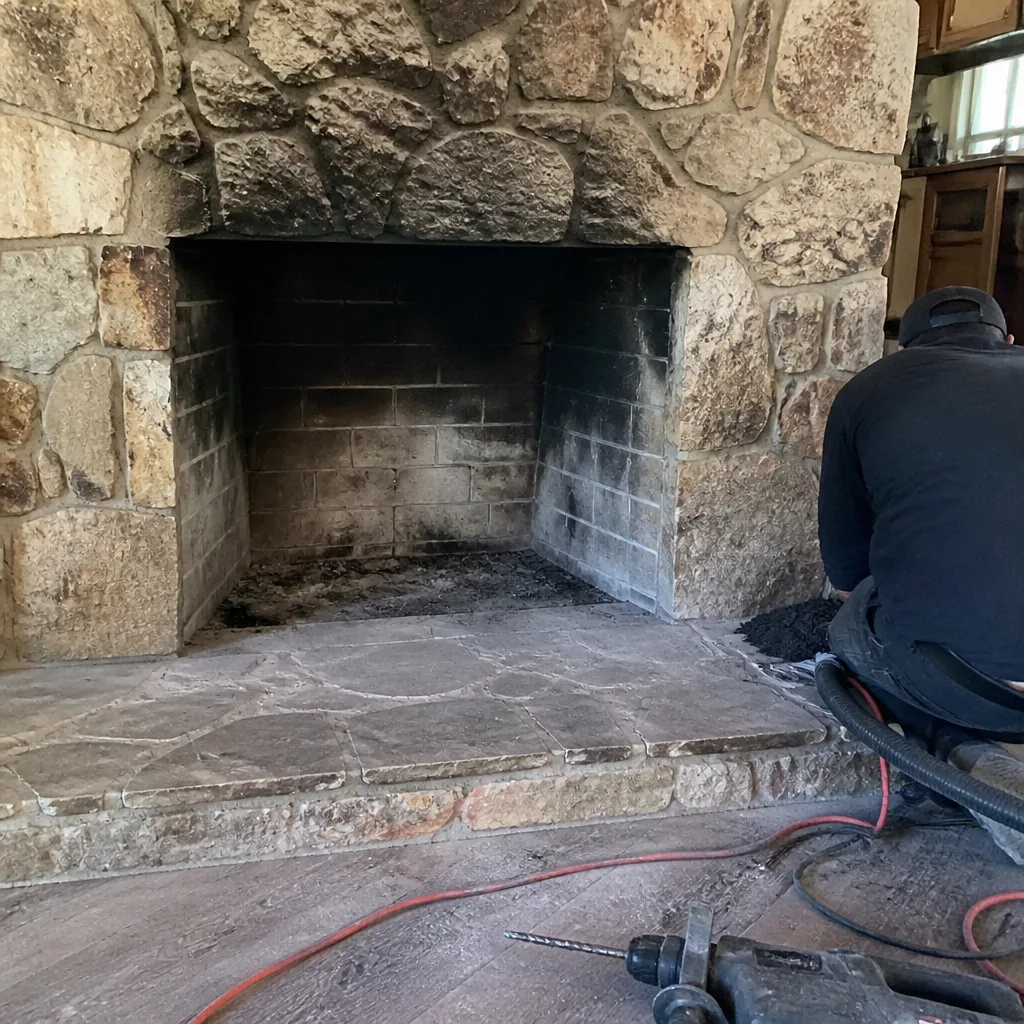 Before
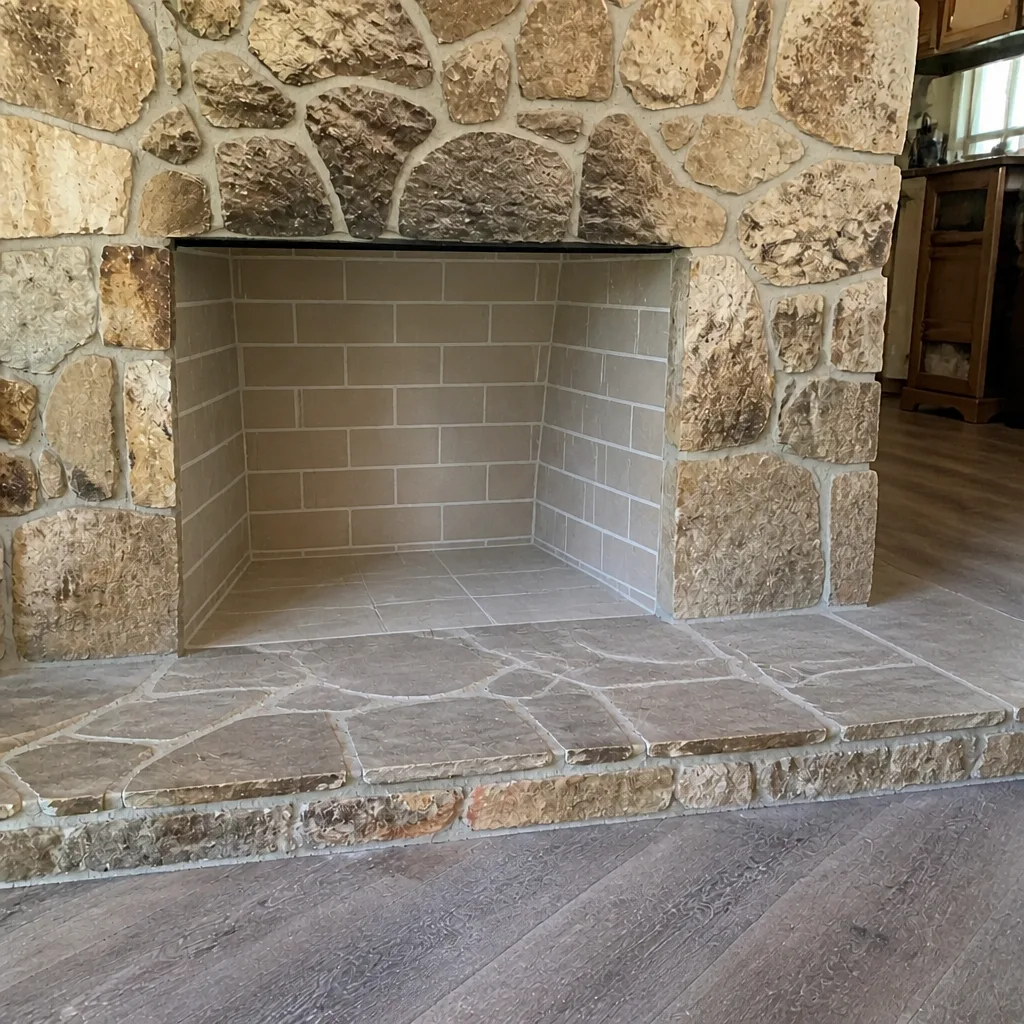 After
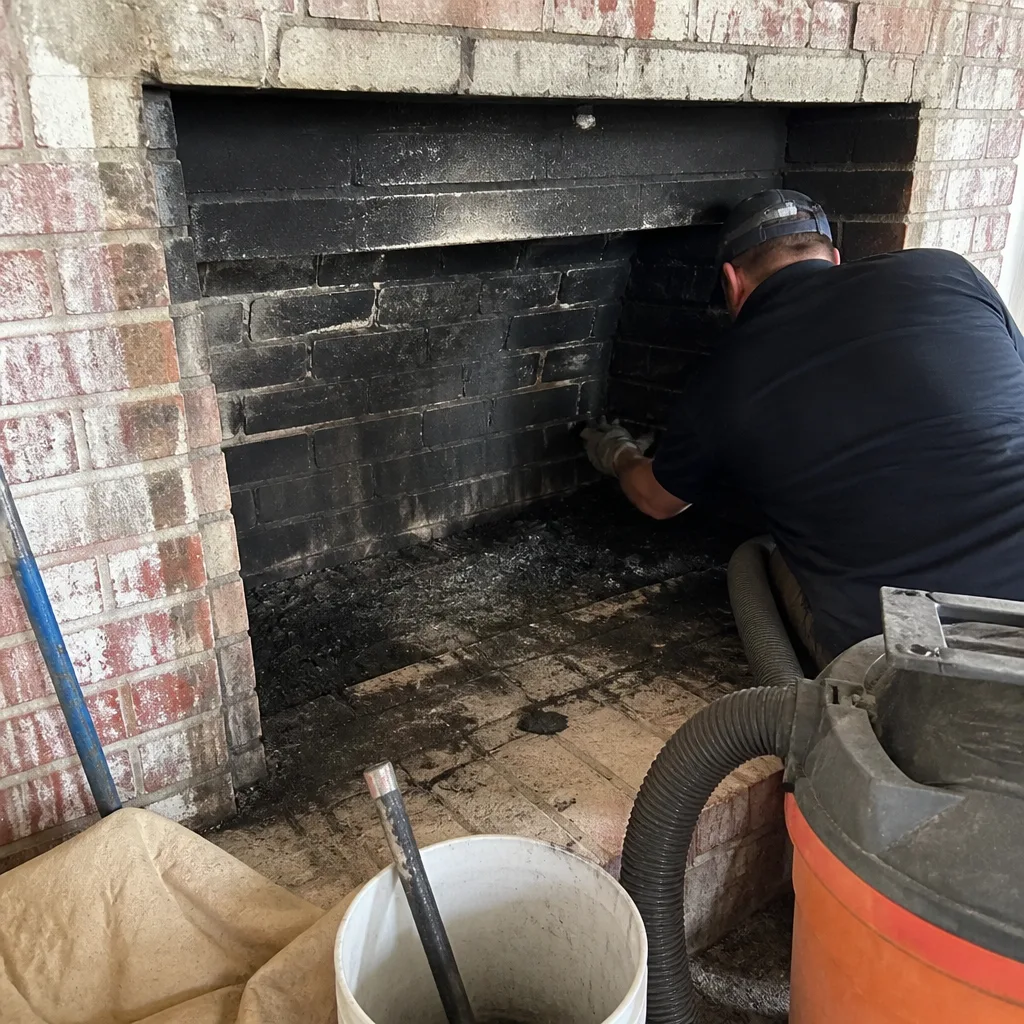 Before
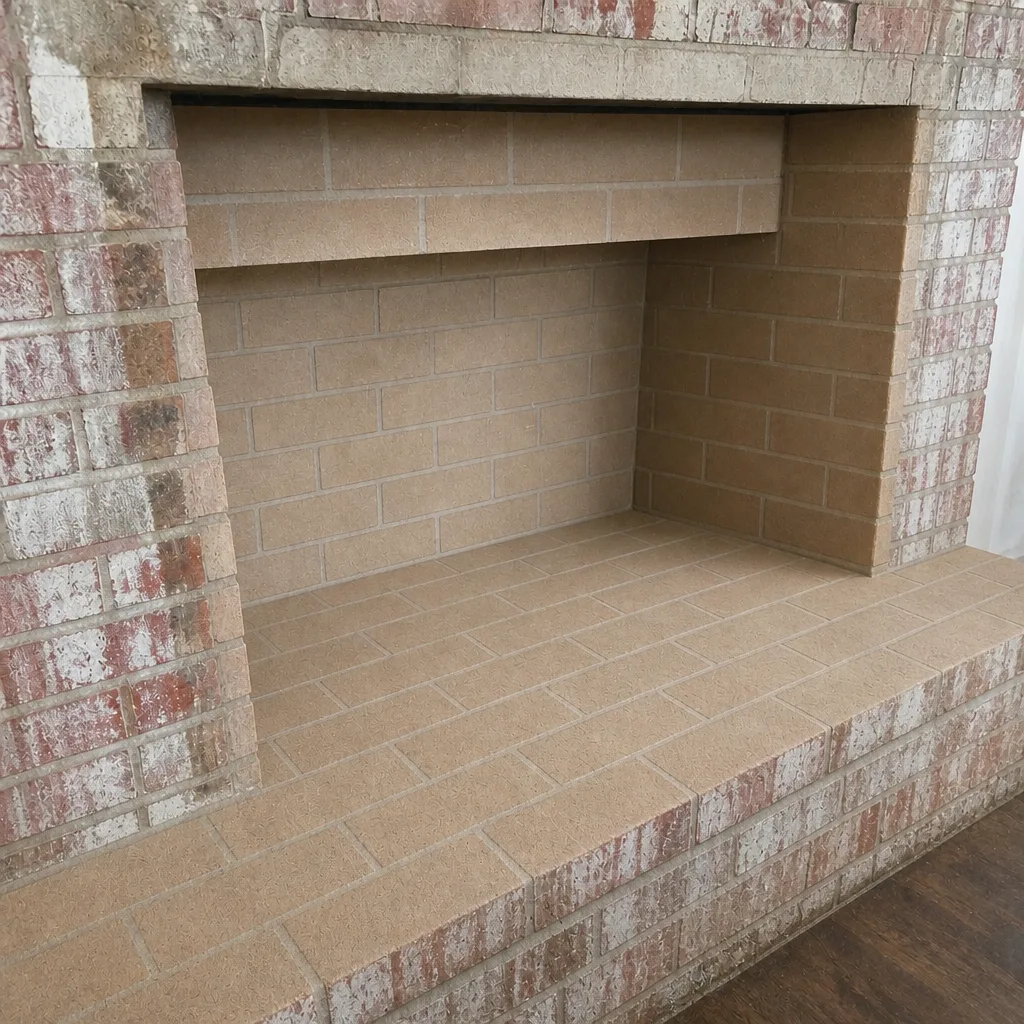 After
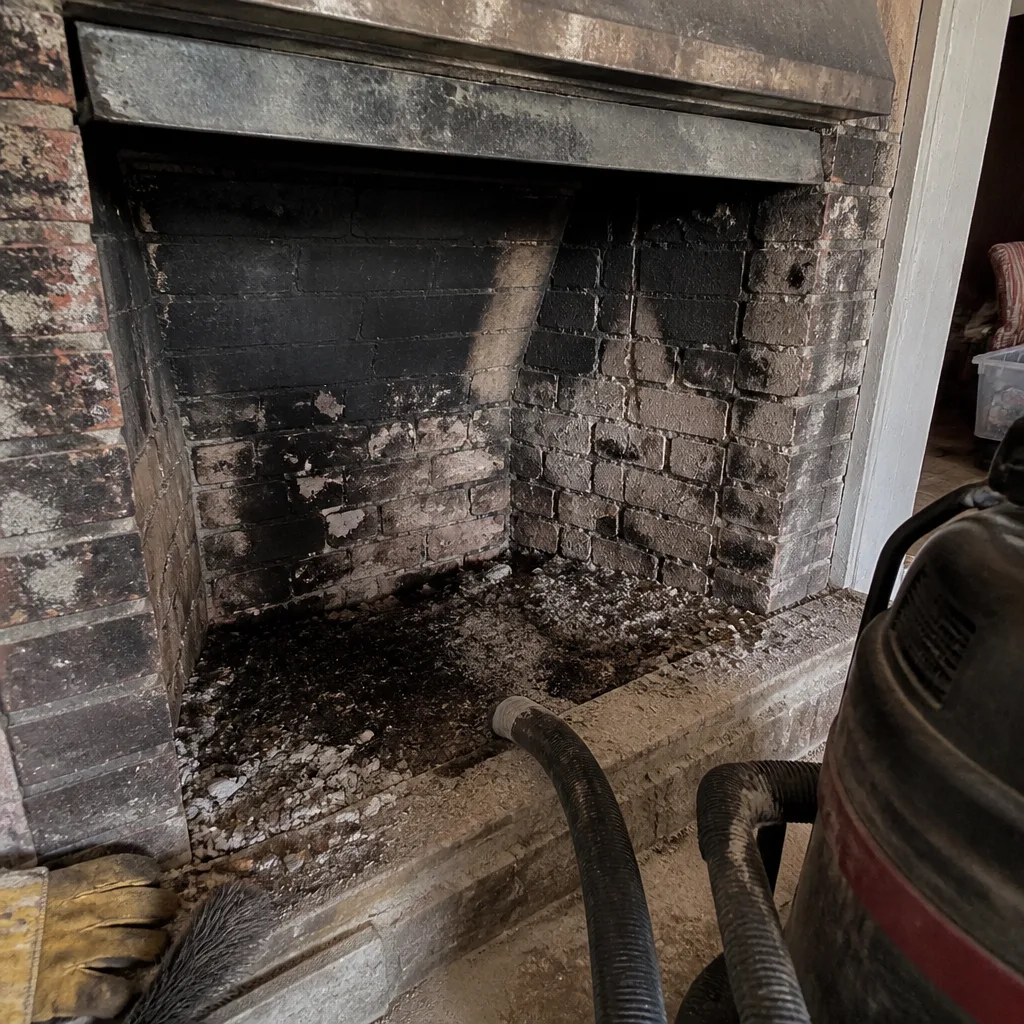 Before
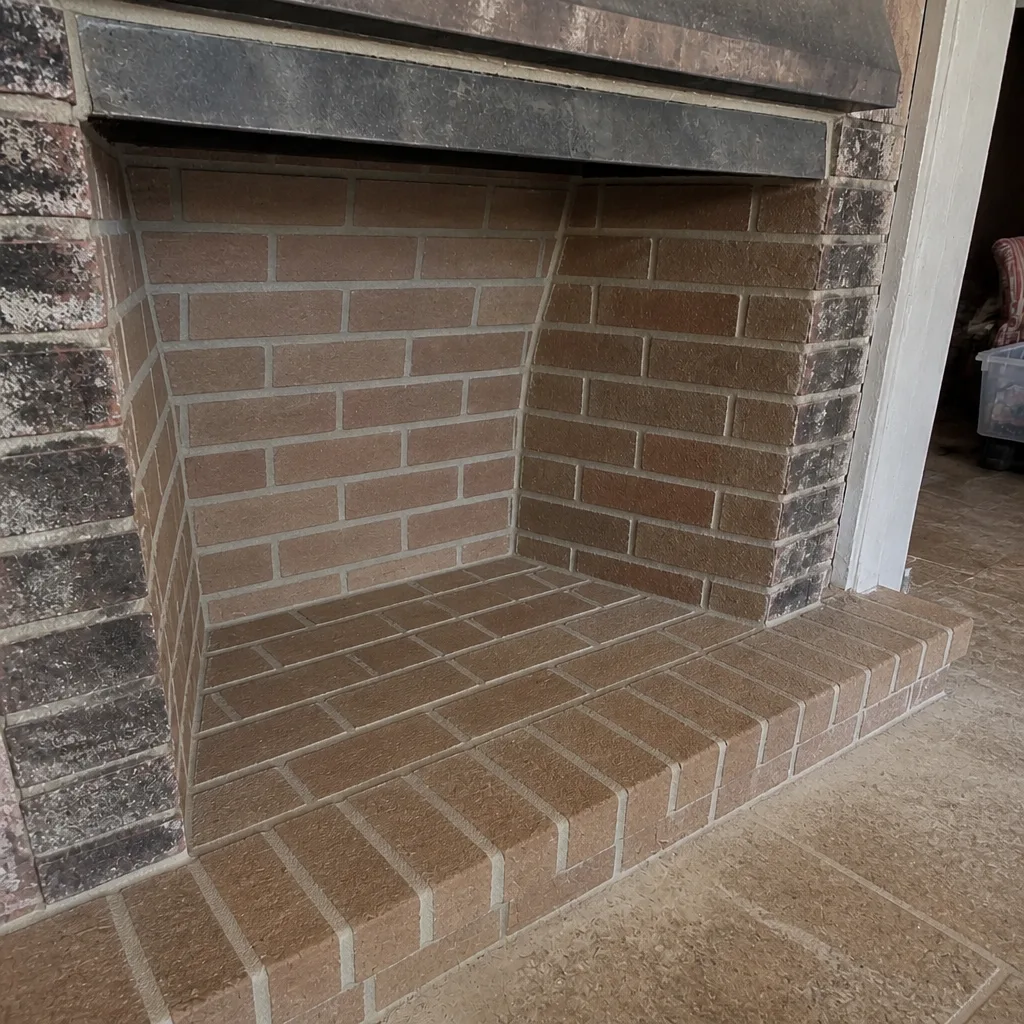 After
When to Call a Professional
Some things you can check yourself: whether a cap is present, whether the damper moves, whether there’s visible damage around the firebox. Some things you should not – climbing onto a roof to inspect a flue top, reaching into a flue after nesting animals, or opening up the flue to diagnose a suspected cracked liner. Those are jobs for a trained technician and, where wildlife is involved, someone who knows the local rules.
Call a professional if you’ve never had the chimney inspected in your home, if it’s been nested in, if you smell a musty odor, if a damper sticks, if you’ve had a chimney fire, or if a hurricane season has passed since the last look. Fort Myers Chimney Sweep offers free estimates in Fort Myers – call (844) 834-3136. We answer 24/7. Fast dispatch from 7am to 7pm, Sunday through Friday. If you have a gas appliance, mention it – the flue that serves it needs inspection too.
Frequently Asked Questions
Chimney cleaning in Fort Myers is priced per job by a written estimate, based on the condition of the chimney, the level of inspection needed, and any repairs found. The estimate is free, and nothing is recommended without evidence you can see. Call (844) 834-3136 for an exact quote – estimates are free.
Not always – and no one should tell you otherwise without showing you why. A damaged clay tile liner can often be restored with a ceramic flue resurfacer like HeatShield, which is an industry-recognized alternative to full liner replacement and saves the demolition a new liner can involve. When a full reline is the right answer, a flexible system like DuraFlex handles complex, offset flue configurations that rigid parts can’t negotiate. The decision should come from a camera inspection, not a sales script.
An annual inspection is the standard, with cleaning whenever the flue has accumulated creosote, debris, or nesting material. In Fort Myers, the annual inspection matters even if you rarely burn, because the risks here are nests and moisture as much as creosote. Call (844) 834-3136 for an exact quote – estimates are free.
The risks are specific: a blocked or narrowed flue from animal nesting reduces draft and, with a gas appliance, can push carbon monoxide into your home; moisture left against mortar slowly degrades the chimney structure; and creosote on the flue walls stays flammable regardless of how often you light a fire. None of these announce themselves – which is exactly why an annual inspection exists. Call (844) 834-3136 for an exact quote – estimates are free.
Often, yes. Repair is part of what a cleaning visit is set up to handle, and we keep professional-grade components like Gelco caps, Famco venting products, and Copperfield accessories on hand so a missing cap or a failing component can be corrected without booking a return trip. Any work beyond that gets explained and put in a written estimate first.
Yes – a gas fireplace or gas appliance still depends on its flue venting correctly, and a vented appliance needs the same inspection of the flue and cap. Soot and moisture can still build up, and a blocked flue is a real risk with a gas-burning appliance too. When you call, let us know what type of fireplace and appliance you have so we can recommend the right level of inspection.
The Bottom Line
Chimney cleaning in Fort Myers isn’t a winter luxury carried over from cold-climate advice – it’s year-round preventive work driven by humidity, wildlife, and the corrosion that Gulf Coast air puts on metal components. A low-use chimney can be a neglected chimney, and the problems that matter most here (nesting debris, moisture degradation, cracked liners, seized dampers) don’t show up in a casual look from the firebox. A real professional cleaning means rotary tooling, HEPA containment, a proper inspection at the right NFPA 211 level, and documented findings you can see. When repairs are needed, professional-grade materials – DuraFlex, HeatShield, Gelco, Olympia Chimney, Famco, and Copperfield – are the difference between a fix that lasts and one that fails before the next inspection. And a dryer vent cleaning on the same visit covers the other fire-safety risk in the home.
If it’s been a while, or if you’re not sure the chimney has ever been inspected, call Fort Myers Chimney Sweep at (844) 834-3136 for a free estimate. We answer 24/7. Fast dispatch from 7am to 7pm, Sunday through Friday.
Written by the team at Fort Myers Chimney Sweep.