
Last updated November 15, 2026
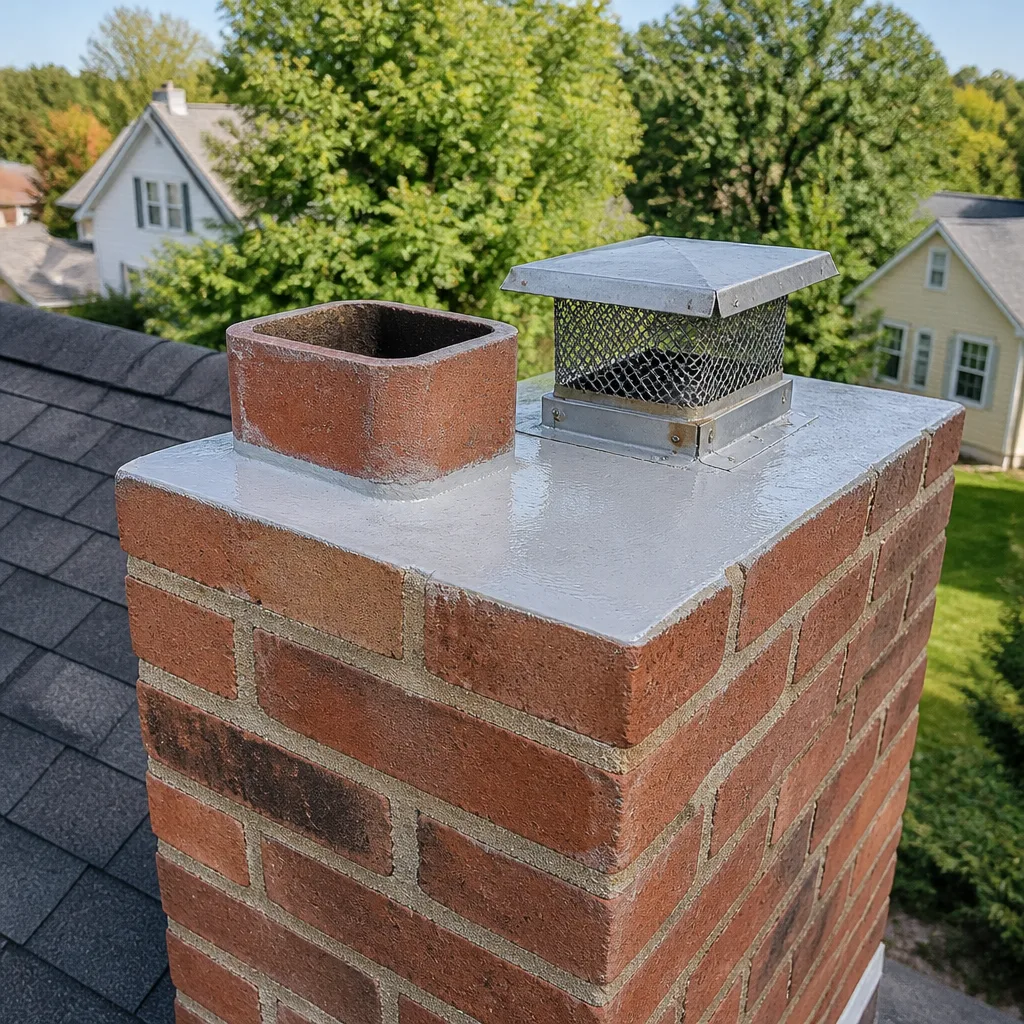 Sweep & inspection
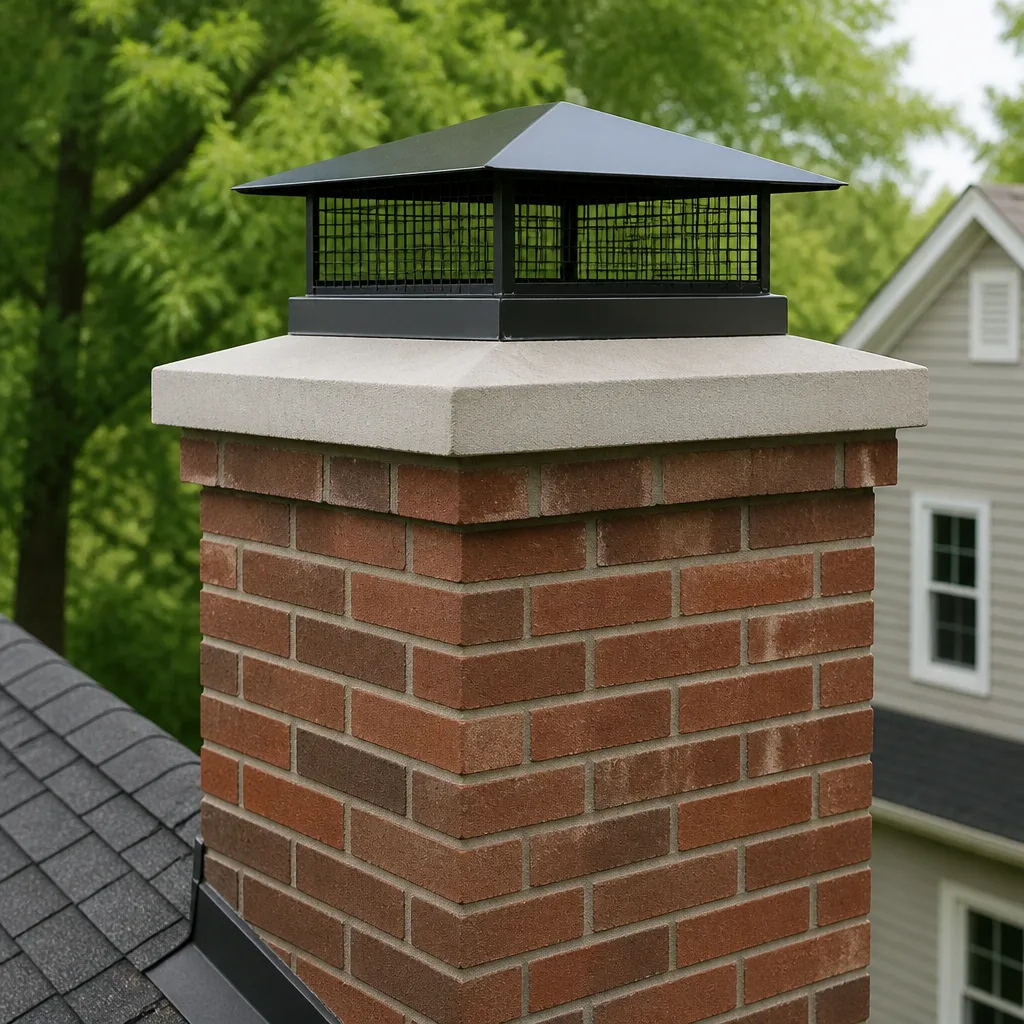 Caps & crowns
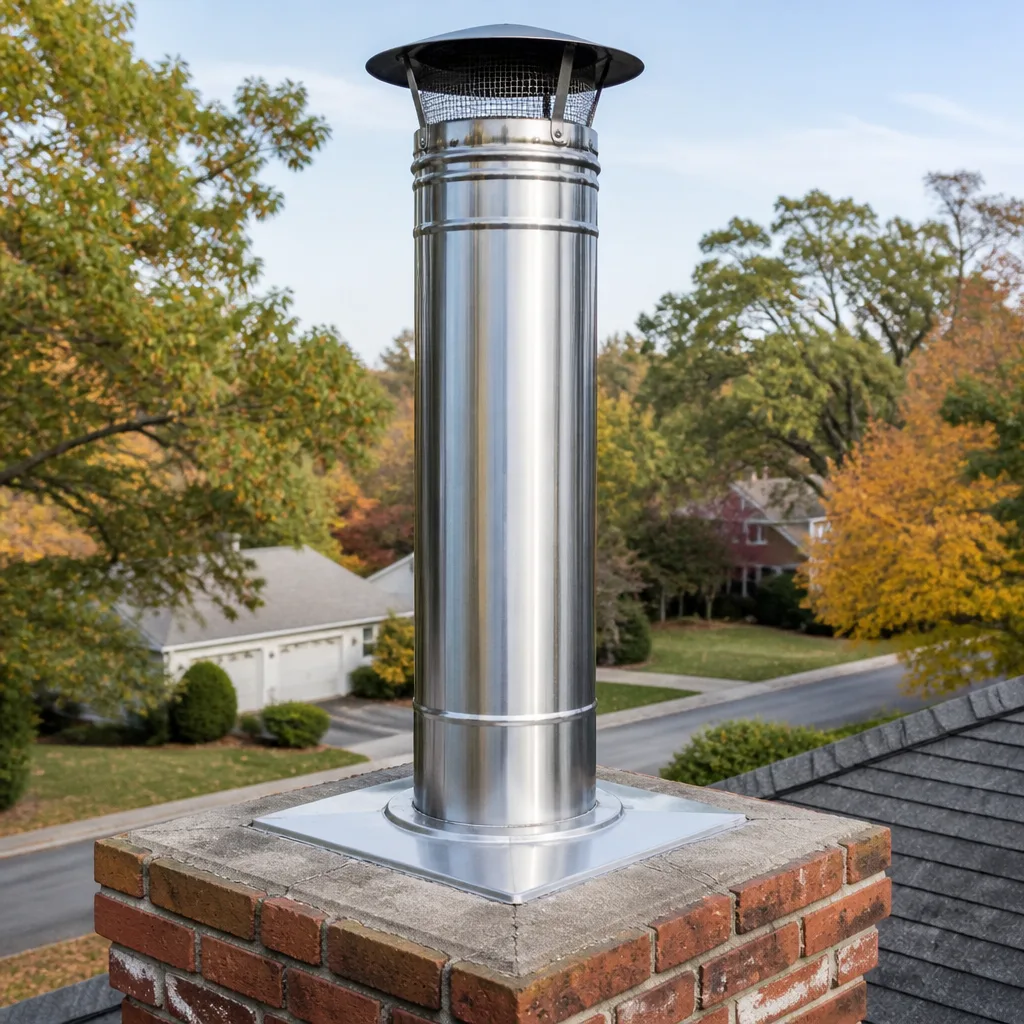 Flue relining
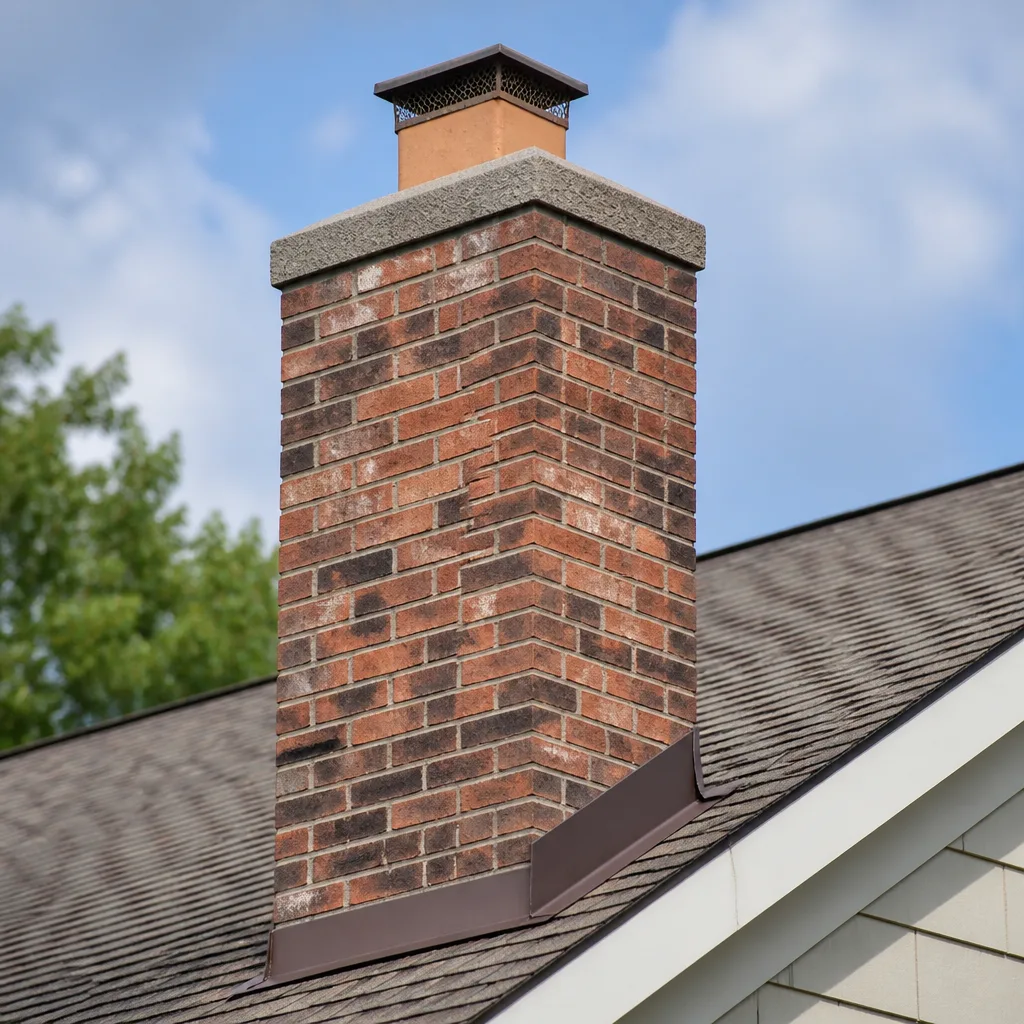 Masonry repair
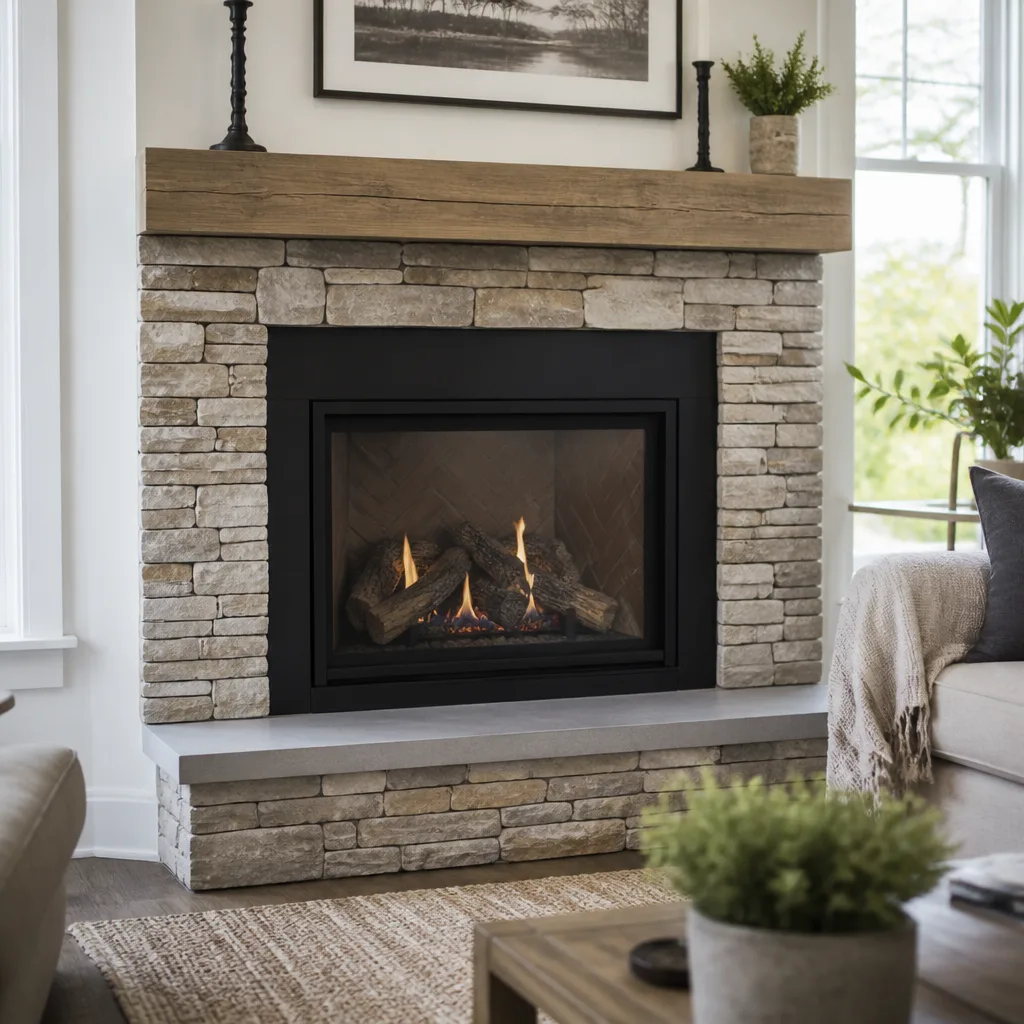 Gas fireplace service
Level 1 sweep and inspection to the NFPA 211 annual standard - flue, crown, cap, and flashing checked and photographed
Chimney sweep logs do not sweep chimneys. They loosen some creosote - which then falls where a brush and vacuum still have to collect it.
Choosing the Right Chimney Cleaning Brand: A Buyer’s Guide for Fort Myers
Most homeowners never ask what brand goes into their chimney. They ask what it costs and when the technician can come. That’s backwards. When a liner goes in, the alloy grade decides how long it lasts – a 304-grade stainless liner in a gas appliance and a 316Ti liner in a high-moisture application are not interchangeable, and most people never learn which one they received. The same logic applies to the cap on top, the sealant on the masonry, and the creosote treatment used inside the flue. This guide explains the professional-grade product lines chimney specialists actually stock, how they differ from consumer-grade substitutes, and the questions to ask so you can tell quality work from a quick sweep-and-go in Fort Myers.
Quick Answer
The right chimney cleaning brand is one that specifies professional-trade materials for the actual job: a properly graded stainless liner (like DuraFlex) when relining, a ceramic resurfacer (like HeatShield) when the flue can be restored instead of replaced, and matched caps and venting components from trade suppliers. In Fort Myers, brand choice matters most for flue liners, chimney caps, and masonry sealants, because heat, humidity, and heavy summer rain put those components under real stress. Ask what brand and grade goes in before the work starts, not after.
Styles & brands we work with
- Sweep & inspection
- Caps & crowns
- Flue relining
- Masonry repair
- Gas fireplace service
Table of Contents
- Why Chimney Product Brands Matter More Than You Think
- Liner Systems: Alloy Grades and What They Mean
- Chimney Caps and Chase Covers: Gauge and Seams
- Creosote Removal: Stage 3 Deposits vs. Routine Maintenance
- Smoke Chamber Restoration: Spray vs. Trowel
- Chimney Sealants: Vapor-Permeable vs. Vapor-Blocking
- Questions to Ask Before You Book
- Common Mistakes to Avoid
Why Chimney Product Brands Matter More Than You Think
A chimney is a system, not a hole in the roof. Every part of it – the flue liner, the cap, the crown, the sealant on the masonry – is doing a specific job under specific conditions. When one component is underspecified, the whole system suffers. A cheap cap that rusts through in a few years lets water straight into the flue. A liner with the wrong alloy grade can pit and fail long before its rated service life. A sealer that traps moisture instead of letting it escape can spall the brick from the inside out.
In our experience across Fort Myers, the failures we see most often trace back to a material that was never right for the application, not to a technician who installed it badly. That’s why brand literacy matters. The professional-trade brands – DuraFlex, HeatShield, Gelco, Olympia Chimney, Famco, Copperfield – exist because certified inspectors and chimney specialists need components that hold up to real flue conditions. Big-box substitutes are often built to a price point, not to a flue specification.
This matters especially in a market where a lot of generalist handymen sweep chimneys on the side. They may do a fine job brushing a flue. But when a liner needs replacing or a smoke chamber needs restoring, the material selection is where the outcome is decided.
What “professional-grade” actually means
- Specified alloy grades – liners rated for the fuel type and moisture level, not a one-size-fits-all product
- Tested components – caps, venting, and connectors built to trade standards rather than consumer packaging
- Documented installation – materials you can identify later if there’s ever a question
- Availability through trade suppliers – Olympia Chimney and Copperfield are the wholesale channels certified professionals use
If a contractor can’t tell you what brand and grade they’ll install before they start, that’s your first warning sign. A professional knows the specification before the truck is loaded. For a broader look at how we approach chimney work in Fort Myers, start there.
Liner Systems: Alloy Grades and What They Mean
Flexible stainless liners are the backbone of most relining work. The brand name on the box matters less than the alloy grade inside it. Two liners can look identical from the outside and behave very differently over ten to twenty years.
The alloy grade question
Stainless steel used in chimney liners is graded by its composition. The two you’ll encounter most often in residential work are 304 and 316Ti. A 304-grade liner is a general-purpose stainless, and it’s often adequate for wood-burning appliances under normal conditions. A 316Ti-grade liner contains titanium for added resistance to chlorides and higher temperatures, which makes it the better choice for oil appliances, high-moisture environments, and applications where condensation is a concern. They are not interchangeable. Asking “what grade is that liner” is one of the most useful questions a homeowner can ask.
Flexible vs. rigid, and why flexibility matters
Rigid liners work well in a straight, unobstructed flue. But many Fort Myers homes have offset flues – the chimney path bends as it goes up through the structure. A rigid liner can’t navigate those bends without cutting and joining sections, which introduces weak points. Flexible liner systems like DuraFlex are built specifically to handle complex, offset configurations in one continuous run. That’s the real advantage: fewer joints, fewer failure points.
Warranty terms vary widely
Liner warranties differ by brand, grade, and application. Some cover the liner only. Others cover installation and materials together. Before you approve a reline, ask three things:
- What brand and alloy grade is being installed?
- Is that grade rated for my appliance and moisture conditions?
- What does the warranty cover, and for how long?
We install and service DuraFlex flexible liner systems specifically because they can handle the offset flues common in older Fort Myers homes. If your flue takes a bend on the way up, that capability is not a luxury – it’s the difference between a proper reline and one that fails at the joints.
Chimney Caps and Chase Covers: Gauge and Seams
A chimney cap is the cheapest insurance on the whole system, and it’s also the component most often replaced with the wrong thing. The cap keeps rain, animals, and debris out of the flue. In a climate with heavy summer downpours, a cap that’s underspecified will rust through and start letting water in within a few years.
Stainless gauge matters
Caps are made from stainless steel of varying gauges – the thickness of the metal. A thicker gauge resists denting, warping, and rust-through better than a thin one. The difference isn’t visible to the eye until the thin cap starts failing. When you’re comparing caps, ask what gauge stainless is being used, not just whether it’s “stainless.”
Welded vs. crimped seams
This is the detail most homeowners never hear about. A cap with welded seams is one continuous piece of metal at the joints. A cap with crimped seams is folded and pressed together. Crimped seams are faster to manufacture and cheaper. They’re also the first place rust starts, because moisture gets into the fold and sits there. In a humid Fort Myers summer, that seam is under constant attack. Welded construction costs more upfront and lasts considerably longer.
Chase covers and custom fits
Not every chimney takes a standard cap. Masonry chimneys with a chase – the boxed enclosure around the flue – often need a custom chase cover that fits the exact dimensions. A poorly fitted cover leaves gaps where water gets in. Brands like Gelco make caps and covers in trade-grade stainless with proper welded construction, and that’s what we stock for same-visit repairs. A cap that doesn’t fit right is worse than no cap at all, because it gives you a false sense of protection.
Creosote Removal: Stage 3 Deposits vs. Routine Maintenance
Creosote is the residue left behind when wood burns. It accumulates in three recognizable stages, and each stage calls for a different approach. Using a Stage 3 product on routine maintenance is overkill. Using a maintenance product on Stage 3 glazed creosote won’t touch it.
The three stages, briefly
- Stage 1 – soot and light flaky deposits, removed with a standard brush sweep
- Stage 2 – hardened, crusty deposits that need more aggressive brushing and sometimes chemical softening
- Stage 3 – glazed, tar-like creosote that has baked onto the flue surface; this is the dangerous stage and the one most linked to chimney fires
The products professionals reach for differ by stage. Poultice-style creosote removers are formulated for Stage 3 deposits – they’re applied to soften and break down the glazed layer so it can be removed safely. Anti-Creo-Soot (ACS) products are maintenance treatments, typically used between sweeps to slow the buildup of new deposits. One is a corrective product. The other is a preventive one. Reaching for the wrong one wastes money and leaves the hazard in place.
Why Fort Myers homeowners should care
Creosote buildup depends on how you burn, not just how often. Green or unseasoned wood, cool smoldering fires, and restricted draft all accelerate accumulation. If you burn frequently through the cooler months, a professional sweep and inspection is the only way to know which stage you’re at. Glazed Stage 3 creosote is a genuine fire hazard, and it doesn’t announce itself – you can’t see it from the firebox. A chimney sweep with a camera can show you exactly what’s in the flue before any product is recommended.
Smoke Chamber Restoration: Spray vs. Trowel
The smoke chamber is the sloped area just above the firebox, where smoke funnels up into the flue. It’s often corbelled brick with rough, uneven surfaces, and those surfaces collect creosote. A damaged or badly built smoke chamber can also cause drafting problems, smoke spillage into the room, and a real fire risk if creosote builds up on the rough brick.
What HeatShield Cerfractory Resurfacer does
HeatShield is a ceramic refractory resurfacer designed to smooth and seal the smoke chamber without tearing out the masonry. It’s an industry-recognized alternative to full liner replacement when the flue or smoke chamber is deteriorated but structurally sound underneath. That distinction matters: if the masonry can be restored, you avoid the cost and disruption of demolition and rebuild.
Why application method affects the outcome
This is where DIY kits and professional application diverge sharply. Refractory material needs to bond firmly to the substrate to hold up to heat cycling and moisture. Professional application – spraying the material under controlled conditions, in the right thickness, over a properly prepared surface – produces a stronger bond and a more uniform finished surface than troweling it on by hand. Trowel application can leave ridges, thin spots, and areas where the bond is weak. In a climate with high humidity, weak spots are where moisture gets in and the restoration starts failing.
Smoke chamber work sits alongside liner work in the same category: it’s a material-specification job, not a brushing job. That’s why we treat repair as a core service rather than an upsell. Cleaning visits can convert to same-visit fixes because we carry the components – Gelco caps, Famco venting parts, Copperfield accessories – to complete the work while we’re there.
Chimney Sealants: Vapor-Permeable vs. Vapor-Blocking
Sealing chimney masonry sounds simple. It’s not. The wrong sealer can do more damage than no sealer, because it traps moisture inside the brick instead of letting it escape. The distinction comes down to one word: vapor-permeable.
The moisture problem in Fort Myers masonry
Brick and mortar absorb moisture from rain and from humid air. That moisture needs a way out. In a vapor-permeable sealer, water vapor can pass through the masonry while liquid water is repelled at the surface. The brick breathes. A vapor-blocking sealer – often a generic masonry sealer sold for concrete and block – seals the surface tight. Water vapor gets trapped behind it, and when that moisture can’t escape, it works its way into the brick and mortar, causing spalling, cracking, and freeze-style damage without any frost involved.
ChimneySaver Water Repellent vs. generic sealer
ChimneySaver Water Repellent is formulated specifically for chimney masonry, as a vapor-permeable treatment. Generic masonry sealer is designed for flat concrete surfaces where breathing isn’t the priority. On a chimney, breathing is the priority. The right product helps your masonry shed water and stay dry inside. The wrong product traps moisture where it can do slow damage.
How to tell the difference
- Ask whether the sealer is vapor-permeable
- Check that it’s rated for chimney masonry, not just concrete
- Confirm it’s applied to a clean, dry surface – sealer over trapped moisture does nothing useful
This is also why a cleaning visit is the right time to assess the masonry. You can’t tell how much moisture is in the brick from the outside. A camera inspection and a photo report of the flue and crown shows you what’s actually happening before anyone recommends a coat of anything.
Questions to Ask Before You Book
You don’t need to become a chimney expert to hire well. You need to ask the right questions and notice whether the answers are specific. A professional answers these without hesitation. A generalist hedges.
- What brand and grade of liner will you install, and why that one for my appliance? A good answer names the alloy grade and matches it to your fuel type and moisture conditions.
- What brand of cap and venting parts do you carry? Trade suppliers like Olympia Chimney and Copperfield are a reasonable answer. “Whatever the hardware store has” is not.
- Do you do repairs, or just sweep? Cleaning without repair capability means a second visit from someone else when a problem turns up. Ask whether the same technician can fix what they find.
- Will I see a camera inspection and photo report? You should be able to look at the evidence, not just take someone’s word for it.
- What’s the written estimate, and is it per job? Pricing per job by written estimate is standard for professional chimney work. Be cautious about flat pricing quoted before anyone has seen the flue.
- Can you also clean my dryer vent while you’re here? Lint accumulation is the leading cause of dryer fires, and combining both services in one visit makes sense. We offer dryer vent cleaning alongside chimney work.
Our technicians have up to 9 years of experience, and they can answer every one of those questions in plain language. If a contractor can’t, that tells you something about what’s going into your chimney.
Common Mistakes to Avoid
- Hiring a sweep who doesn’t do repairs. A sweep-and-go model leaves you with a clean flue and no fix when the camera finds a failed joint. Choose a company that can complete the repair in the same visit.
- Accepting a liner quote without asking the alloy grade. Two liners that look the same on the outside can have very different service lives. Always ask for the grade and confirm it’s rated for your appliance.
- Letting a generic sealer go on the masonry. Vapor-blocking sealers trap moisture in Fort Myers brick. Ask for a vapor-permeable product rated for chimney masonry.
- Treating Stage 3 creosote with a maintenance product. Anti-Creo-Soot and similar treatments are for prevention. Glazed deposits need a professional sweep and the right corrective product, not a hope and a spray.
- Skipping the dryer vent. Lint in the dryer vent is a fire hazard independent of the chimney. If you’re booking a chimney service, ask about the vent at the same time.
- Taking a quote on a cap without checking gauge and seams. Crimped-seam caps rust at the fold. Welded stainless in an appropriate gauge lasts. It’s a small part with a big job.
- Ignoring a smoke chamber that needs restoration. Cracked or rough smoke chambers collect creosote and can cause drafting problems. If the chamber is damaged, resurfacing with a ceramic refractory product is often far less costly than replacing the flue.
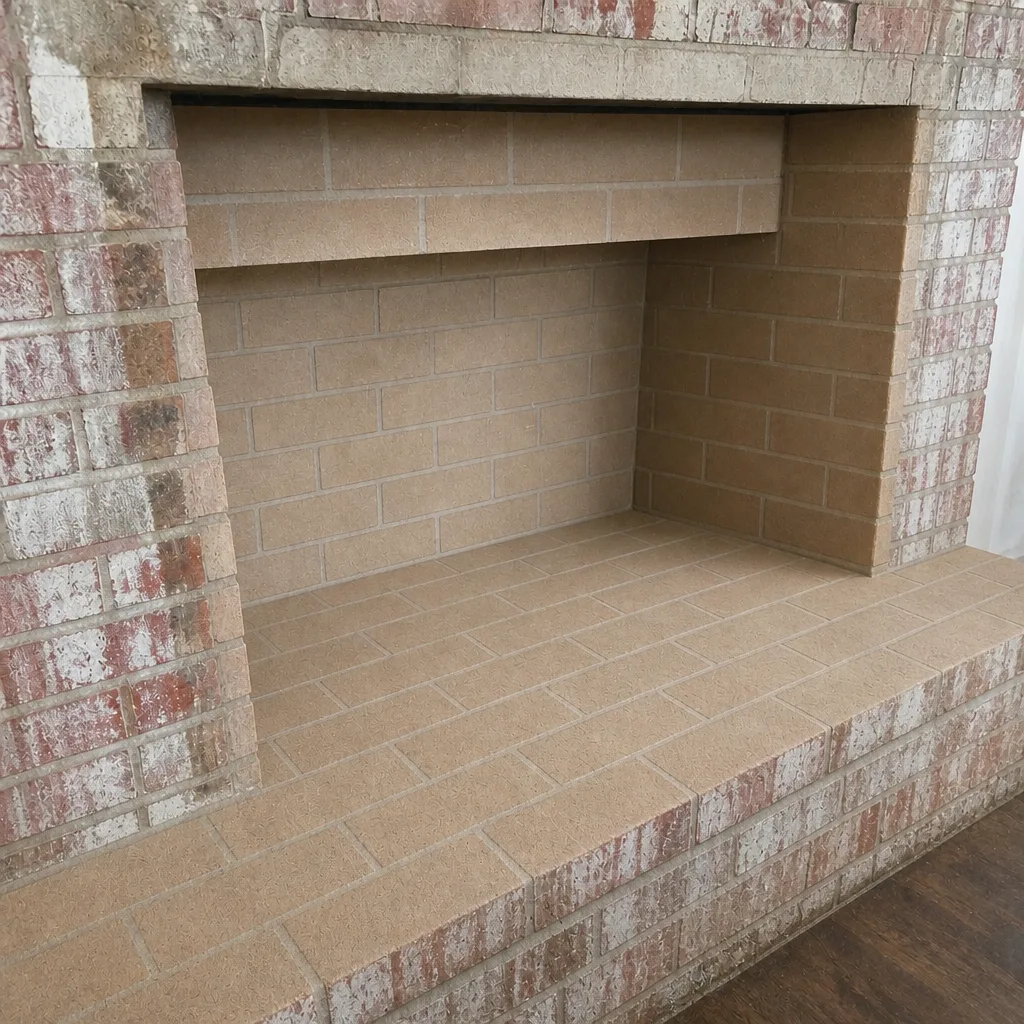
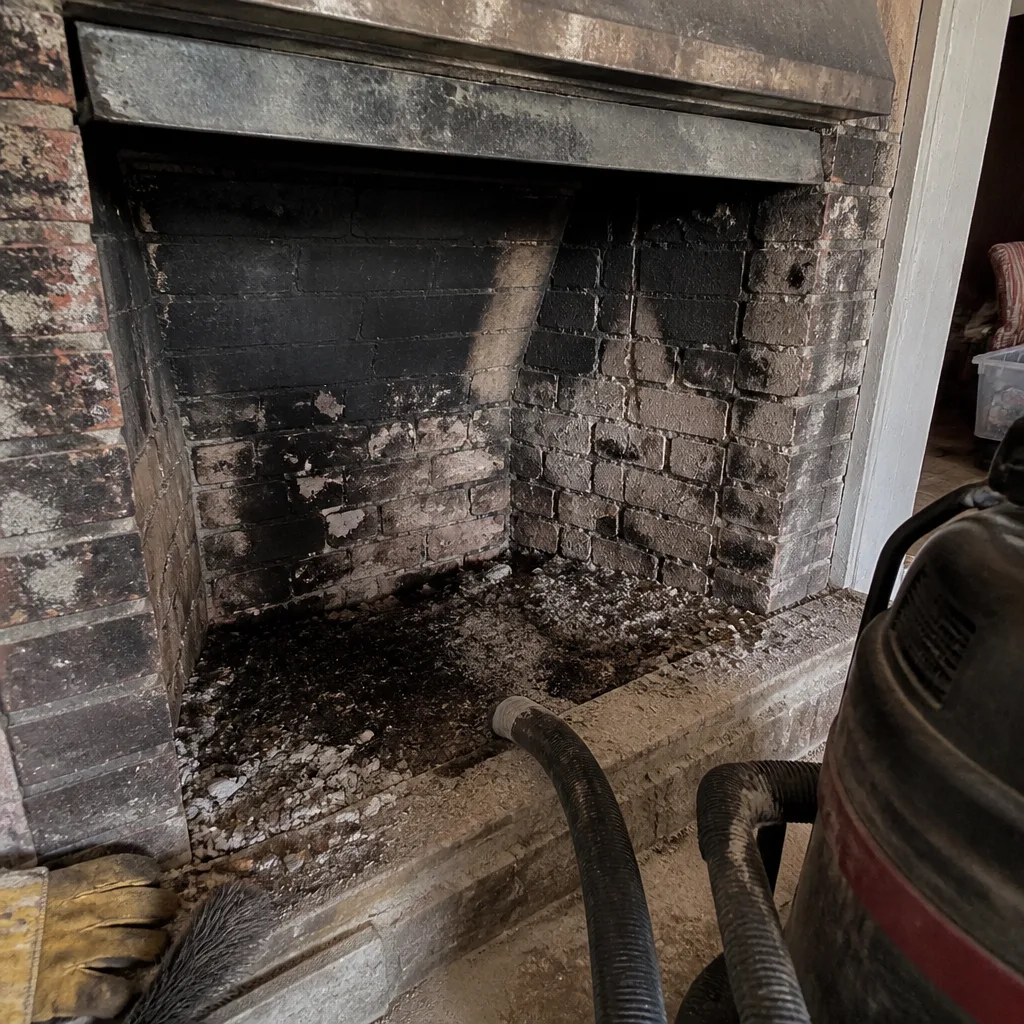
See the difference
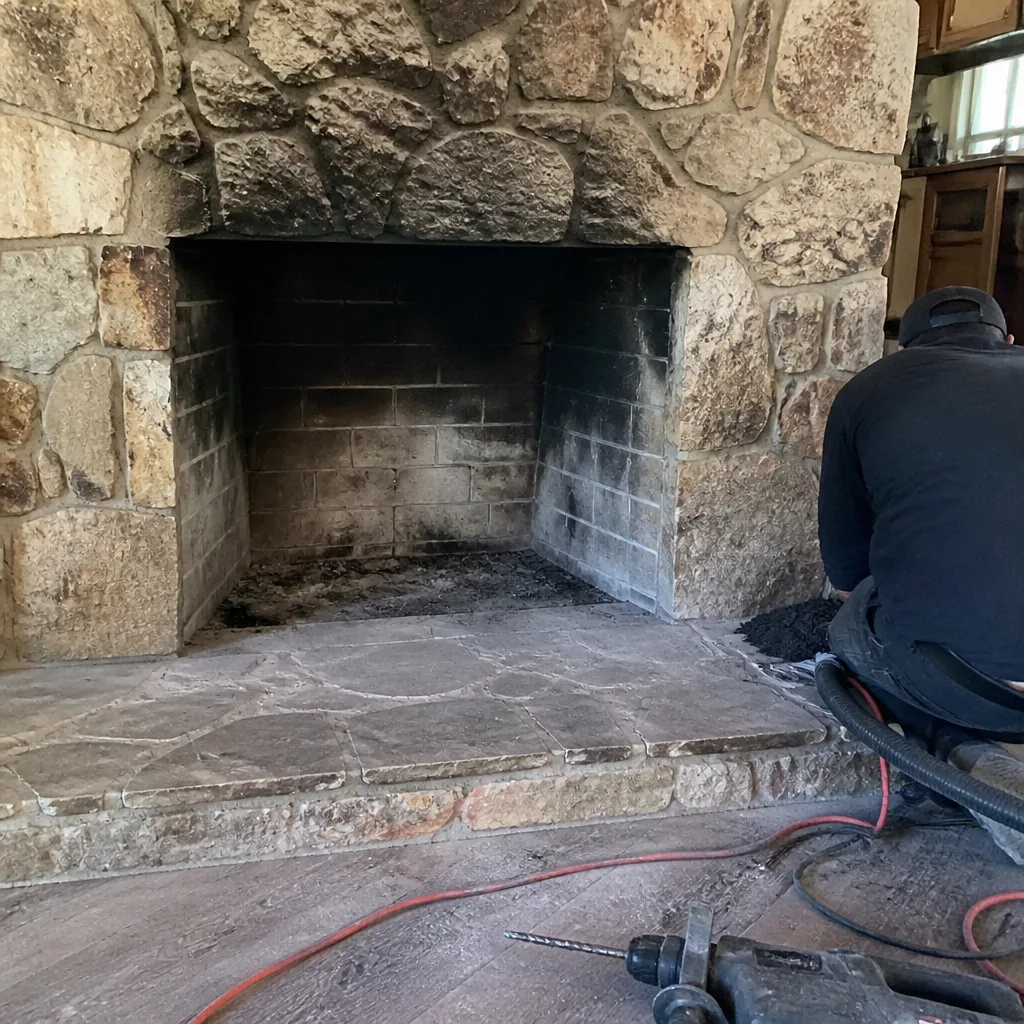 Before
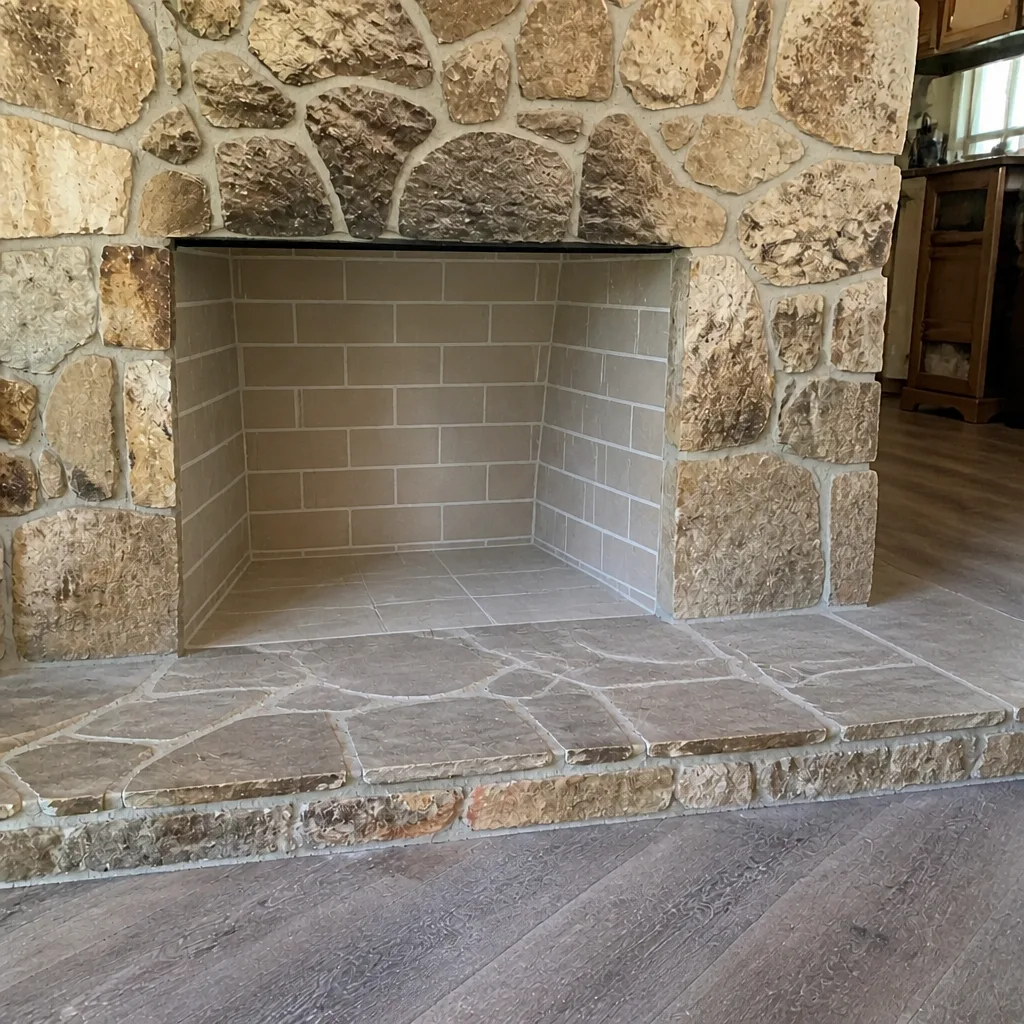 After
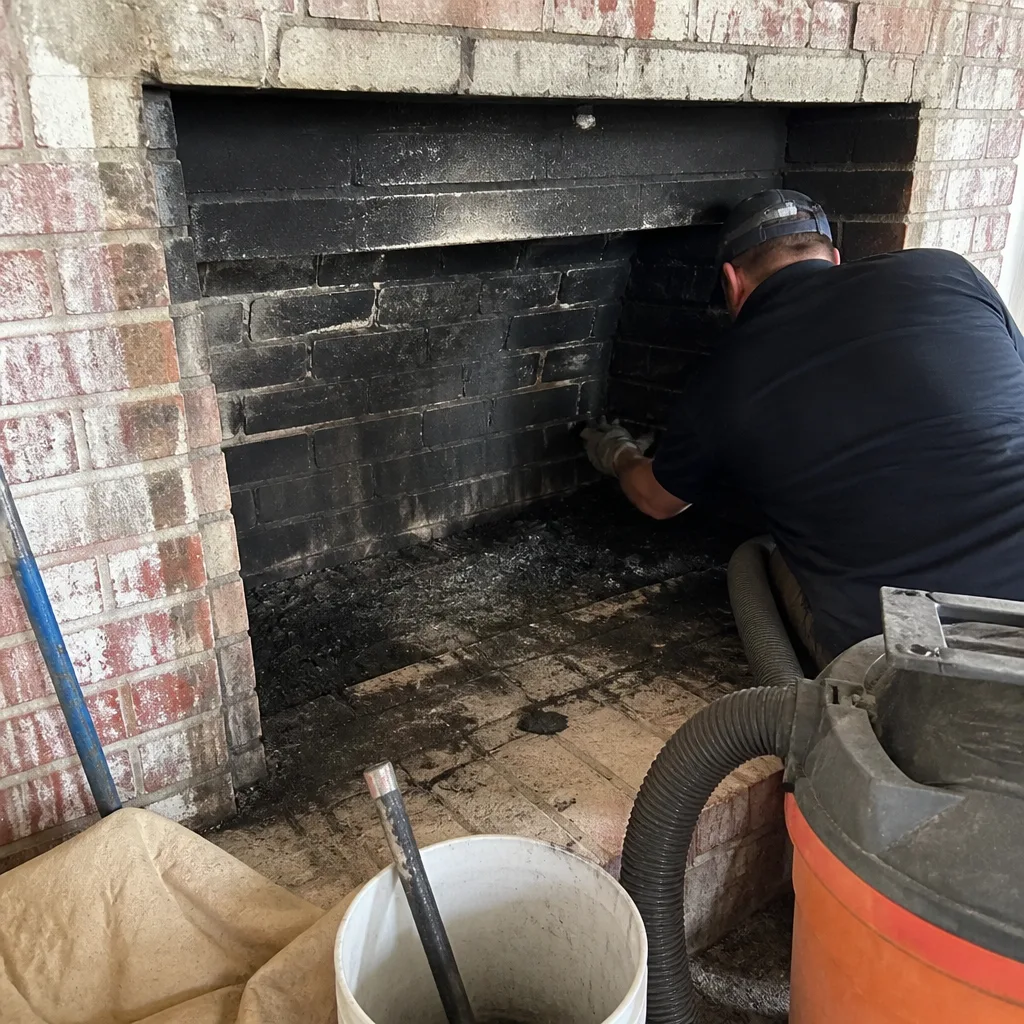 Before
 After
 Before
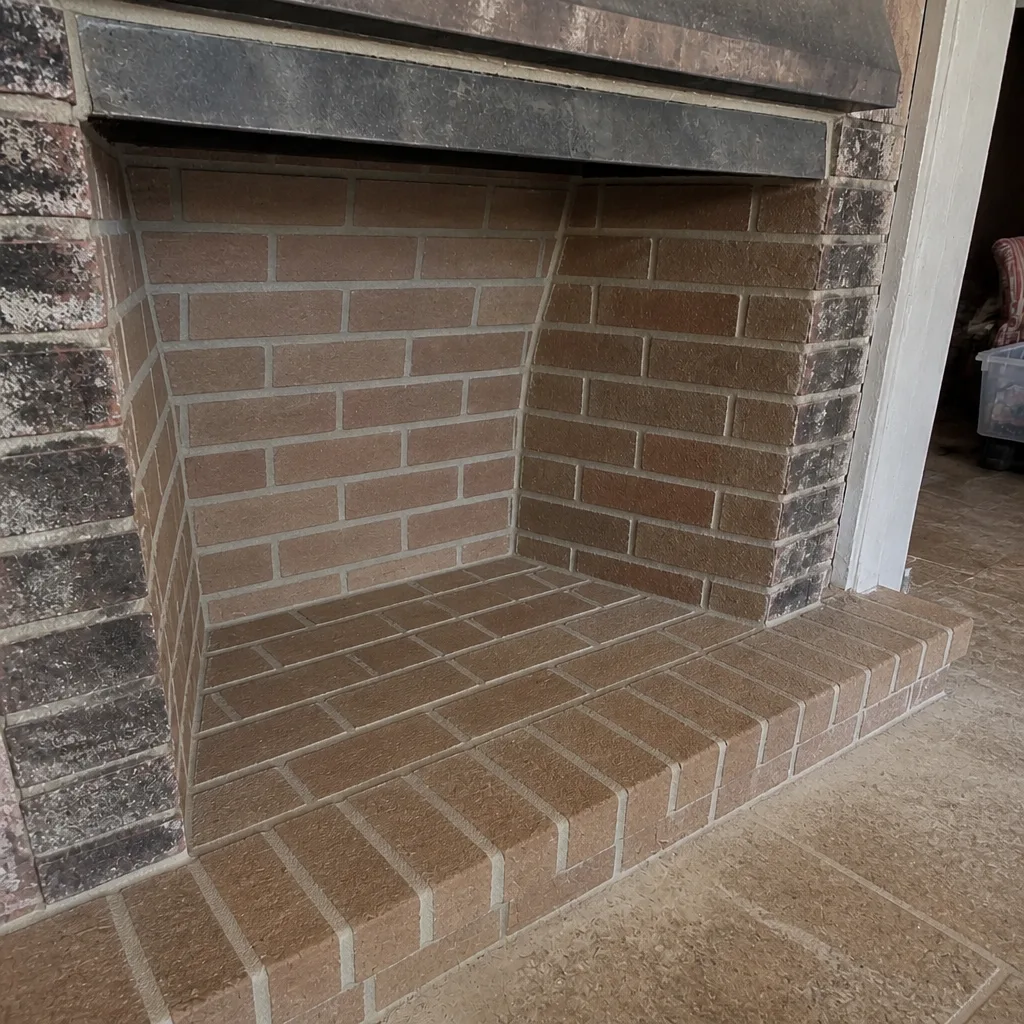 After
When to Call a Professional
Some chimney problems announce themselves. Smoke rolling into the room, a strong creosote smell in warm weather, water stains on the ceiling near the chimney, or a cap that’s visibly rusted or missing all warrant a call. Others stay silent: cracked flue tiles, deteriorating joints, and glazed creosote don’t show up from the firebox. That’s why an annual sweep and inspection is the standard for anyone who burns regularly. If you’ve moved into a Fort Myers home with a chimney you’ve never had inspected, or if it’s been more than a year since the last sweep, book one before the burning season. Fort Myers Chimney Sweep offers free estimates in Fort Myers – call (844) 834-3136. Nothing is recommended without a camera inspection and photo report you can see for yourself, and we’ll tell you plainly when a repair can safely wait.
Frequently Asked Questions
There’s no single best brand for every home – the right liner depends on your appliance, flue configuration, and moisture conditions. DuraFlex flexible liner systems are a strong choice for offset flues because they handle bends in one continuous run, and the alloy grade (304 vs. 316Ti) should be matched to your fuel type. Ask what grade is going in before you approve the job. Call (844) 834-3136 for an exact quote – estimates are free.
Yes. Gas appliances don’t produce creosote the way wood does, but they can produce moisture and debris, and the flue still needs inspection to confirm venting is correct. Gas systems also need to be checked for liner deterioration, which can go unnoticed. A professional inspection with a camera tells you what’s actually happening in the flue. Call us to book a sweep and inspection.
Look for rust, missing or bent mesh, visible gaps around the edges, or water getting into the flue. A cap with crimped seams is more likely to rust at the fold than a welded stainless cap. If the cap is failing, replacing it with a properly gauged stainless cap from a trade brand like Gelco protects the flue from water and animals. Call (844) 834-3136 to get it looked at.
HeatShield is a ceramic refractory resurfacer that restores a deteriorated smoke chamber or flue surface – it’s an alternative to tearing out and replacing the liner when the masonry underneath is still sound. A full liner replacement is the right call when the flue structure itself has failed or can’t be restored. You need a camera inspection to know which situation you’re in. We’ll show you the photos and explain the options before anything gets priced.
Fort Myers humidity means masonry absorbs and holds moisture, and it needs to be able to dry outward. A vapor-permeable sealer like ChimneySaver repels liquid water while letting water vapor escape. A generic vapor-blocking sealer traps moisture inside the brick and can cause spalling and cracking over time. Ask whether the sealer is vapor-permeable before it goes on.
Yes. Dryer vent cleaning is a dedicated service we offer alongside chimney work, and doing both in one visit makes practical sense – lint accumulation is the leading cause of dryer fires, and it’s independent of your chimney. One call covers your chimney and your dryer vent. Call (844) 834-3136 to schedule both.
The Bottom Line
The brands in your chimney matter because each component is doing a specific job, and the wrong product fails in ways you can’t see. Liners need the right alloy grade for the application. Caps need proper gauge and welded seams. Creosote products need to match the stage of deposit. Smoke chambers need a professional application method. Sealers need to be vapor-permeable so Fort Myers masonry can breathe. Ask what brand and grade goes in before work starts, insist on a camera inspection and photo report you can review, and choose a company that repairs as well as sweeps. That’s how you get work built to last past the next inspection.
Fort Myers Chimney Sweep connects homeowners in Fort Myers with independent local professionals who handle chimney sweep, chimney repair, and dryer vent cleaning. Repair work uses professional-trade brands including DuraFlex liner systems, HeatShield ceramic resurfacer, Gelco chimney caps, Famco venting products, Olympia Chimney components, and Copperfield accessories. Every job is priced per job by written estimate, and nothing is recommended without camera evidence you can see. Call (844) 834-3136 for a free estimate. We answer 24/7. Fast dispatch from 7am to 7pm, Sunday through Friday.
Written by the team at Fort Myers Chimney Sweep.