
Last updated November 15, 2026
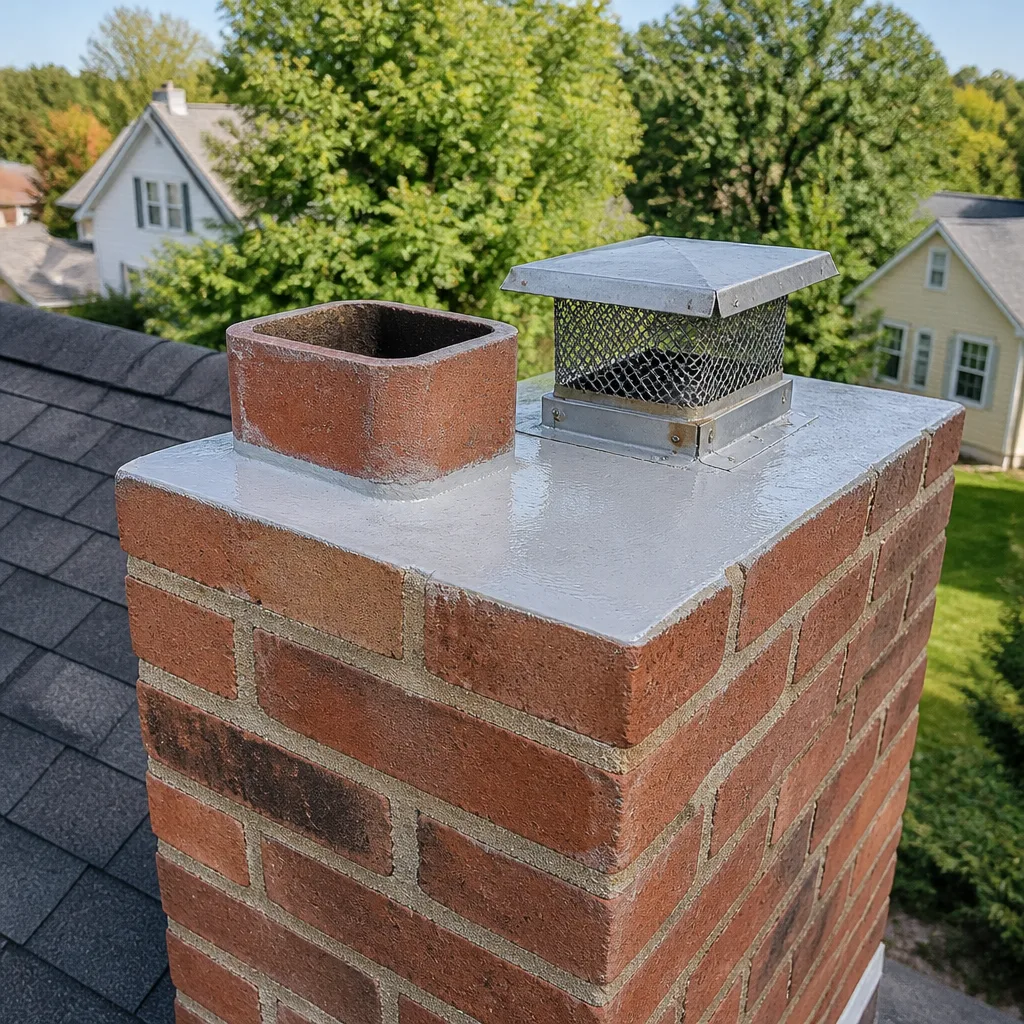 Sweep & inspection
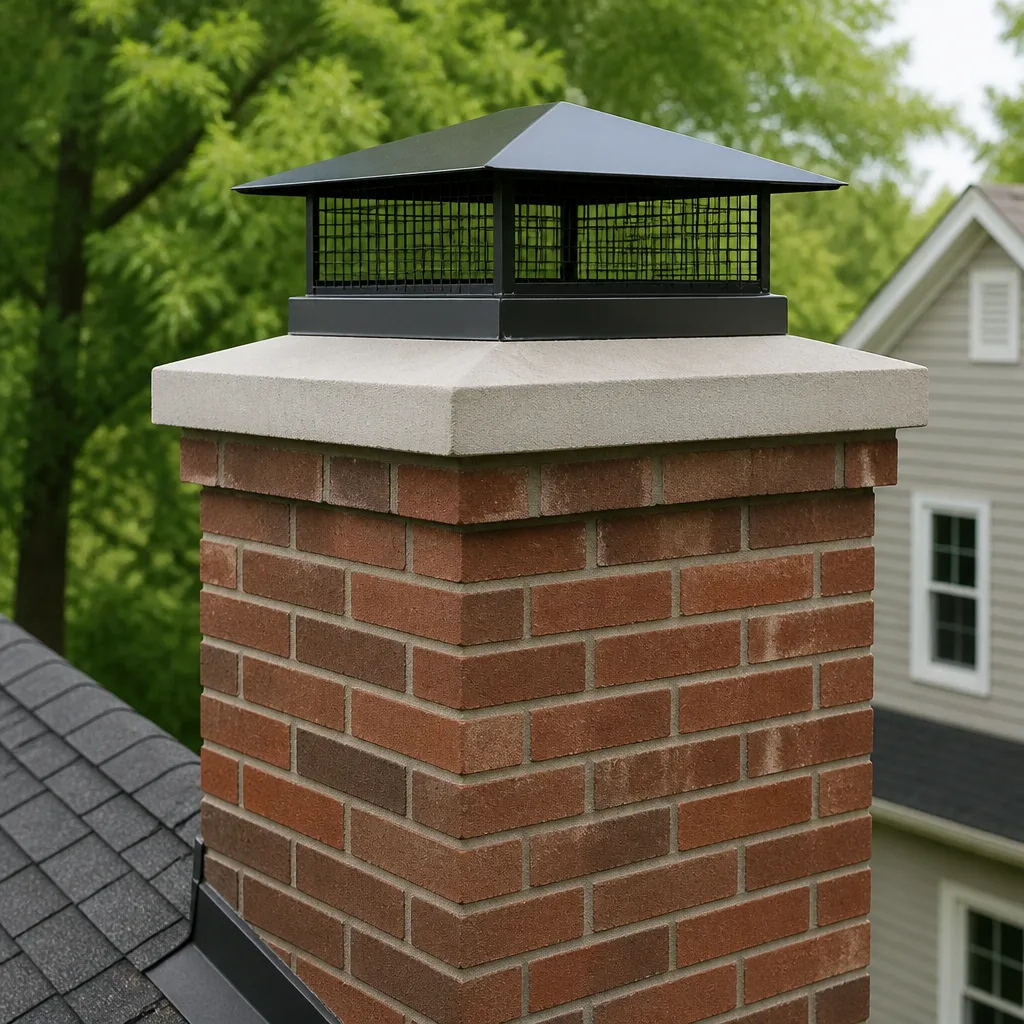 Caps & crowns
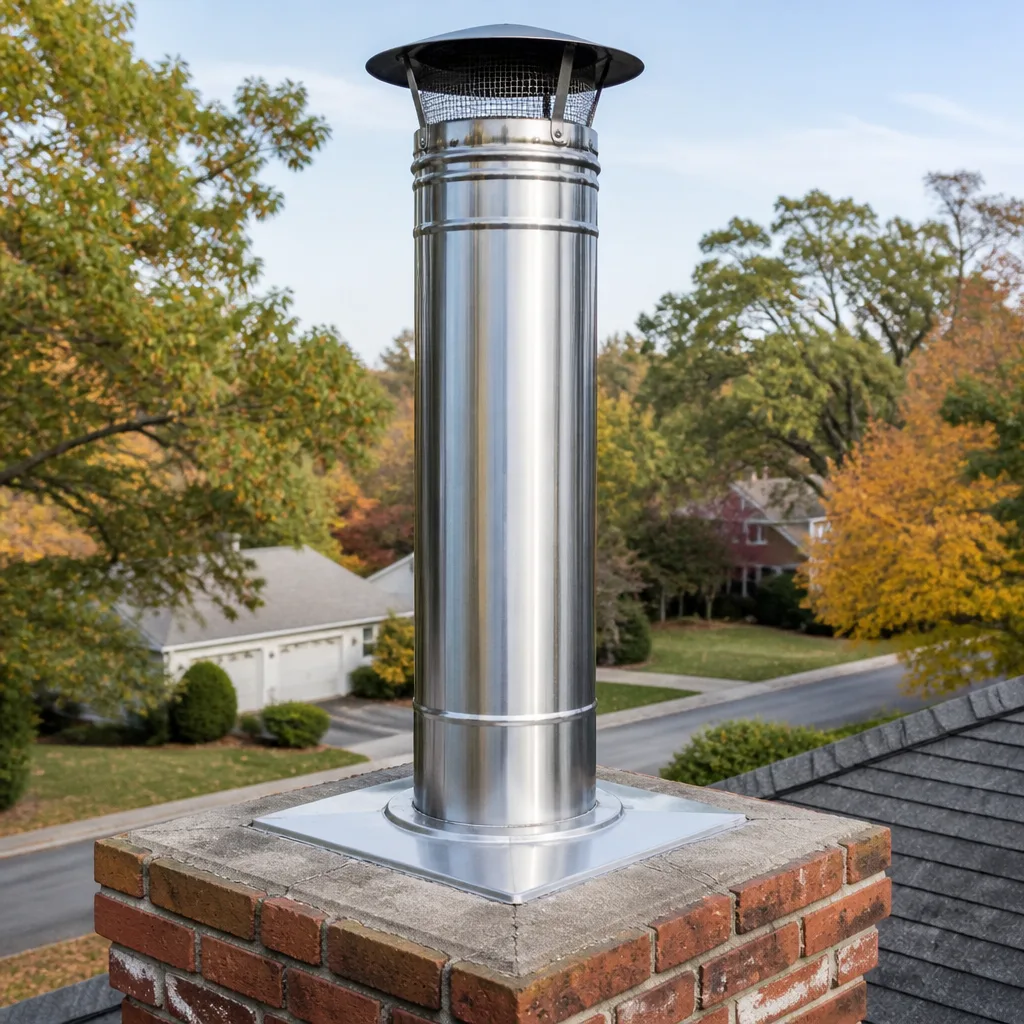 Flue relining
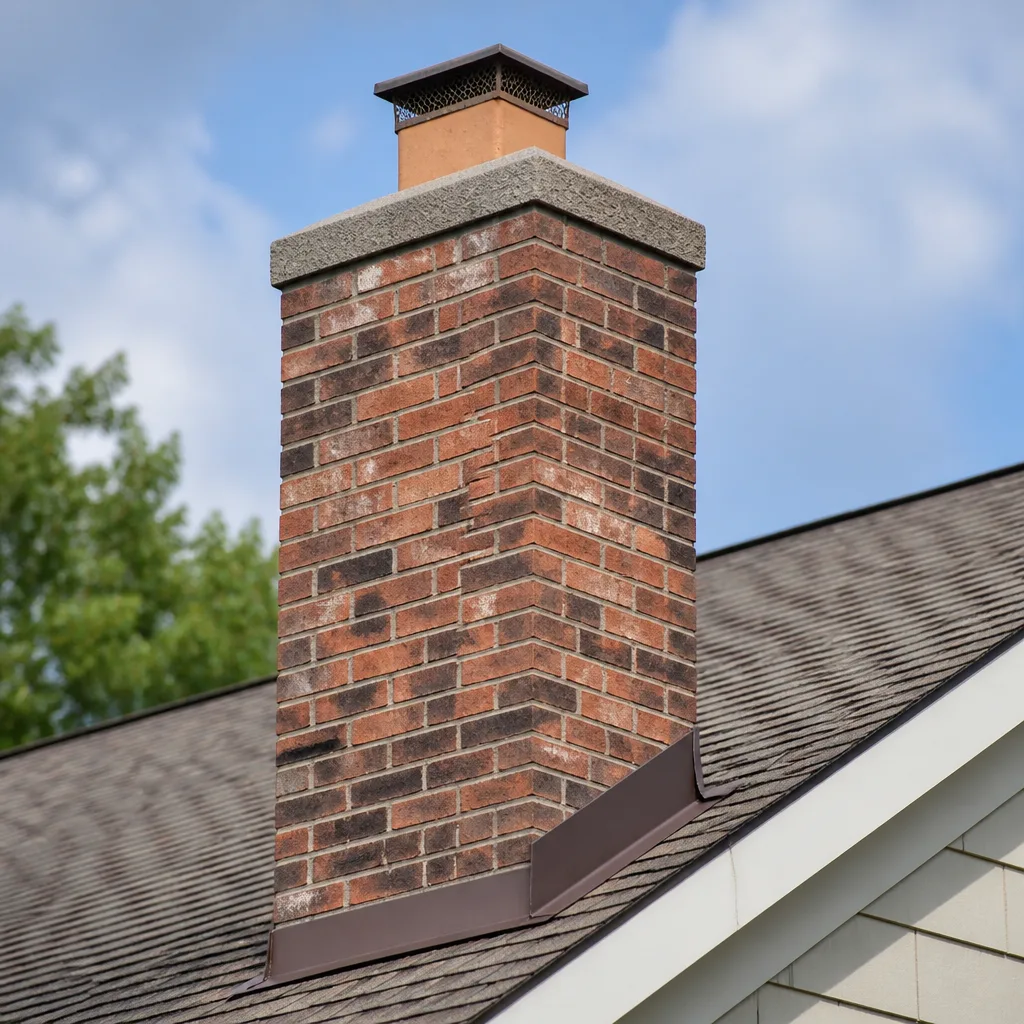 Masonry repair
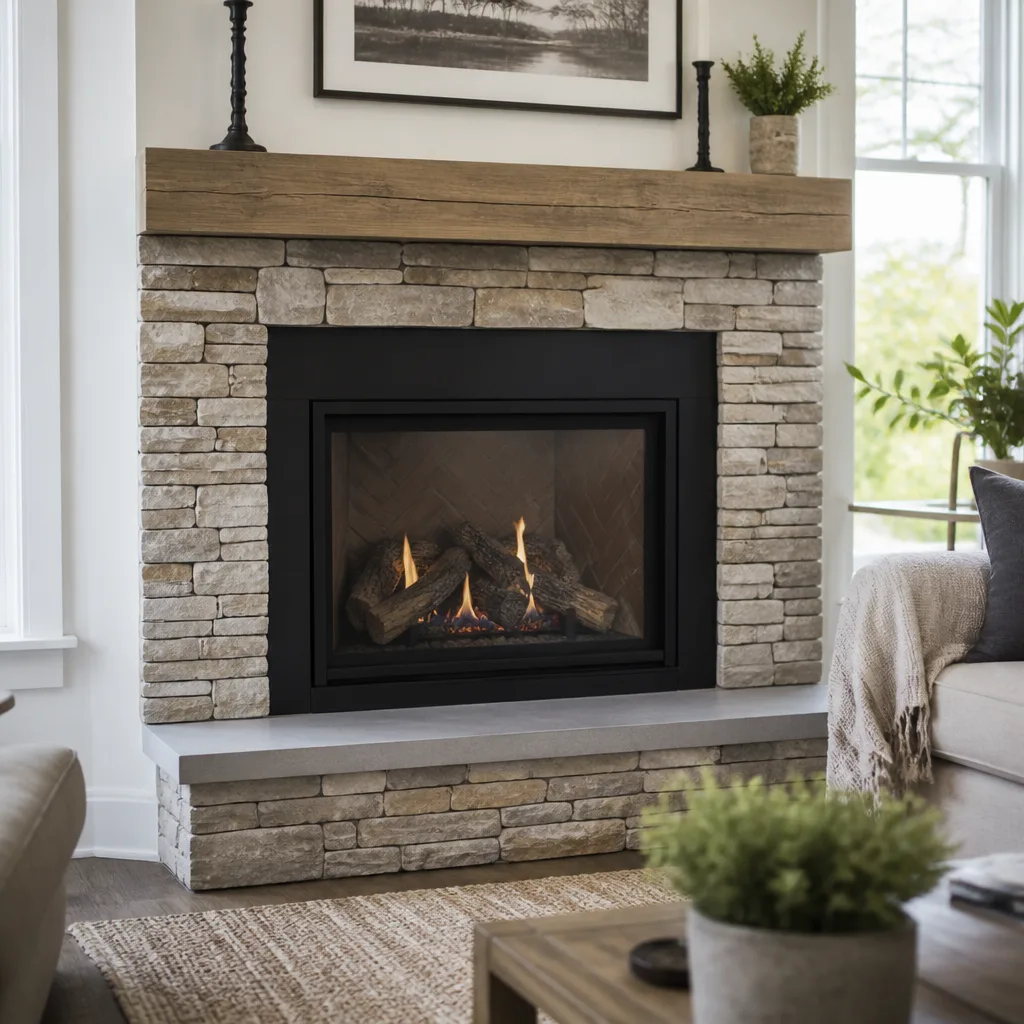 Gas fireplace service
Level 1 sweep and inspection to the NFPA 211 annual standard - flue, crown, cap, and flashing checked and photographed
Chimney sweep logs do not sweep chimneys. They loosen some creosote - which then falls where a brush and vacuum still have to collect it.
Chimney Cleaning Emergency Preparedness Guide for Fort Myers Homes
A chimney fire doesn’t always sound like an inferno. Often it’s a low roar, a rumble like a distant train, or a series of pops and ticks as the flue liner cracks from thermal shock above a fire that’s still being fed downstairs. That gap between what a chimney fire actually sounds like and what homeowners expect is where real damage happens. In this guide, we cover two separate emergencies that Fort Myers homeowners face: a chimney fire in progress, and the quieter discovery after a storm that your fireplace system has been compromised. You’ll get the sounds to listen for, the exact steps to take, what a Level 2 inspection checks after a fire, and how to prepare before either scenario happens.
Quick Answer
If you suspect a chimney fire, get everyone out, call 911, and don’t use the fireplace again until a Level 2 inspection confirms the flue liner and structure are intact. If you discover damage or a blockage after a storm in Fort Myers, treat the fireplace as out of service and have the system inspected before lighting another fire. Preparation is simple: sweep before the burning season, place a carbon monoxide detector near the fireplace, and keep your sweep’s number where you can find it fast.
Styles & brands we work with
- Sweep & inspection
- Caps & crowns
- Flue relining
- Masonry repair
- Gas fireplace service
Table of Contents
- How Do You Recognize a Chimney Fire in Progress?
- What Should You Do in the First Five Minutes?
- What Happens After a Chimney Fire?
- What Does a Level 2 Inspection Look For?
- What If a Storm Damages Your Chimney in Fort Myers?
- Do Chimney Fire Extinguishers Work?
- How Do You Prepare Before the Burning Season?
- How Often Should a Fort Myers Chimney Be Swept?
How Do You Recognize a Chimney Fire in Progress?
Chimney fires can be loud or nearly silent, and the quiet ones are often the most damaging. A chimney fire starts when creosote – the tar-like residue that builds up on flue walls from burning wood – ignites. Some fires announce themselves with a roar; others smolder and crack the liner from the inside while the fire in the firebox burns on normally.
Listen and look for these signs:
- Sound: A low rumble or roar, a sound like a freight train in the distance, or repeated popping and cracking from inside the chimney.
- Smoke: Dense, dark smoke from the top of the chimney, or smoke puffing back into the room through the damper.
- Flame: Flame or sparks visible at the chimney top, sometimes accompanied by a shower of creosote flakes on the roof.
- Heat: The chimney breast or flue pipe feels unusually hot to the touch, or the stovepipe glows.
- Odor: A sharp, hot, tar-like smell in the room.
One of the most common mistakes we hear about is a homeowner who hears the roar, assumes it’s just a draft problem, and adds more wood. That feeds the fire more fuel right as the flue liner is taking thermal damage. If you hear or see any of the signs above, treat it as a chimney fire until a professional tells you otherwise.
What Should You Do in the First Five Minutes?
The correct immediate response to a chimney fire is: extinguish the fire in the firebox if you safely can, close the damper, get everyone out of the house, and call 911. The steps below are the order that keeps people safe.
- Get people out. Move everyone, including pets, outside or to a safe distance first. A chimney fire can spread to the roof or attic structure faster than most people expect.
- Call 911. Do this before anything else if there’s any doubt about the fire’s scale. The fire department will confirm the chimney is out and check for extension into the structure.
- If the fire is contained in the firebox and you can do so safely, close the glass doors or firebox door and shut the damper to cut the air supply. Never leave the firebox open and unattended.
- Don’t spray water into a hot firebox if you aren’t sure of the flue’s condition – thermal shock on a cracked liner can be worse than the fire itself. Leave it to the fire department.
- Don’t climb on the roof. Soot, ash, and heat make it a fall hazard, and the fire may still be burning inside the flue.
- After the fire department clears the scene, don’t light another fire until a certified technician performs a Level 2 inspection.
Having a sweep’s number saved before you need it is the single most useful thing you can do. At Fort Myers Chimney Sweep, we answer 24/7, and our dispatch runs from 7am to 7pm, Sunday through Friday.
What Happens After a Chimney Fire?
After any chimney fire, the chimney cannot be used again until a Level 2 inspection is completed. The fire department may confirm the fire is out, but they aren’t there to inspect the flue liner. That job belongs to a chimney professional.
Why the wait matters:
- Creosote fires burn hot enough to crack clay tile liners and warp metal liners. A hairline crack in a tile flue can let heat and carbon monoxide into the wall cavity.
- Structural damage may be invisible from the firebox. The inside of the flue can look fine from below and be compromised above the smoke chamber.
- Some damage gets worse with time. A cracked liner exposed to the next fire can fail entirely.
Our approach after a fire is to use cameras and visual inspection to document the liner from top to bottom. If we find damage, we discuss repair options in order of cost and disruption: a HeatShield ceramic resurfacer can restore a deteriorated clay flue in many cases without a full tear-out, while a heavy-duty flex liner like a DuraFlex system is the right answer when the original flue is failing structurally or where there’s an offset. We don’t recommend major work without evidence you can see for yourself.
What Does a Level 2 Inspection Look For?
A Level 2 inspection is the standard post-fire inspection. It’s more thorough than a routine annual check and is designed to find hidden damage inside the flue and structure. Here’s what it covers.
- Liner integrity. The technician inspects the full length of the flue with a camera for cracks, gaps, spalling, and separated tile joints.
- Structural damage. Chimney walls, the smoke chamber, the damper assembly, and the crown are checked for cracks and heat damage.
- Creosote and soot buildup. A post-fire sweep clears residue so the camera can see the liner itself.
- Clearances to combustibles. The inspection checks that framing, insulation, and roofing material aren’t closer to the chimney than they should be – a major factor in fires that spread from the flue to the house.
- Venting connections. For gas appliances, the vent connector and cap are checked for corrosion, blockages, or disconnect.
A Level 2 inspection is also what you need after a storm, after a chimney has been struck by anything, or when a home changes hands. It’s the point where a repair visit can also finish the small stuff – a cracked cap swapped for a Gelco unit, a loose vent connector refit with proper components – instead of leaving you with a callback.
What If a Storm Damages Your Chimney in Fort Myers?
After a storm passes through Fort Myers, a chimney can look fine from the ground and still be compromised. Wind-driven rain, flying debris, and roof damage are the most common culprits. The signs below are what we ask homeowners to check from inside the house.
- Water in the firebox or a damp smell after rain – often the crown or cap is damaged.
- A visible crack in the chimney crown or flashing at the roofline.
- Soot or debris falling into the firebox – a sign of a cracked flue tile or rubble from a collapsed section.
- Weak draft or smoke spilling into the room – a blockage or a flue that’s lost integrity.
- A damaged or missing chimney cap – this is the entry point for rain, birds, and debris. A properly installed cap from a manufacturer like Gelco or a compatible vent component from Famco helps keep water and animals out.
Do not light a fire if any of these signs are present. A compromised flue is a carbon monoxide risk, and a blocked flue is worse. A technician can confirm the condition with a camera before anyone touches a match. If you’re not sure who to call, start with a Fort Myers Chimney Sweep and we’ll walk you through what to check from the ground.
Do Chimney Fire Extinguishers Work?
Chimney fire extinguishers like Chimfex work by releasing a smoke-suppressing compound up the flue, which can knock down a chimney fire long enough for you to get out and call for help. They are a supplement to calling 911, not a replacement.
Here’s what these products can and can’t do:
- They can: reduce the fire’s intensity, slow creosote combustion, and buy time while firefighters respond.
- They can’t: confirm the liner is intact afterward, put out a fire that has spread into roof framing, or replace the need for a Level 2 inspection.
- They can’t: prevent the fire in the first place if creosote has been allowed to build up.
We recommend having a chimney fire extinguisher on hand if you burn regularly, and using it only as a first move – never instead of the fire department. If you’re unsure there’s a fire at all, call 911 and let them decide. The greater risk is the flue damage you can’t see.
How Do You Prepare Before the Burning Season?
Emergency readiness in Fort Myers starts before the first cool evening, not during it. The prep list below takes a few hours and covers the things that matter most when a fire starts.
- Book a chimney sweep before the first fire. Creosote is the fuel for a chimney fire, and a professional sweep removes it. Getting on the schedule before burning season starts makes the work simple instead of rushed.
- Confirm carbon monoxide detector placement. At least one should be near the fireplace or stove area, and one on each floor – especially where people sleep.
- Save your sweep’s emergency number. Put it in your phone and on the fridge. When there’s smoke, you won’t want to search for it. Ours is (844) 834-3136. We answer 24/7.
- Check for a properly installed chimney cap. A cap keeps water, animals, and debris out of the flue between seasons.
- Store a chimney fire extinguisher and a flashlight near the hearth. Power can go out in a storm, and a flashlight near the stove is worth having.
- Note the last date of any chimney work or inspection. Knowing when the chimney was last looked at tells the next technician where to start.
For homeowners who have gas logs, don’t skip this. Gas fireplaces need an annual check too, and the flue still holds soot and, in poorly maintained systems, the risk of a blocked vent.
How Often Should a Fort Myers Chimney Be Swept?
Most Fort Myers chimneys should be swept once a year, or more often if you burn heavily. The standard is based on creosote buildup, not the calendar: when the soot and creosote layer reaches a meaningful depth on the flue wall, it needs to be swept. For most homeowners who burn regularly during the cooler months, that’s about one sweep a year.
Some things that affect the timetable:
- Burning green or unseasoned wood creates more creosote than burning dry hardwood.
- Burning paper, cardboard, or pine in volume builds creosote faster, and those materials aren’t meant for a firebox.
- Small, hot fires burn cleaner than long, smoldering ones, which produce more creosote.
- A wood-burning insert or a stove may need more frequent attention than an open fireplace.
- Gas fireplaces still need an annual inspection, though sweeping isn’t the point – the check is for venting, soot from gas logs, and safety.
In addition to the annual sweep, book a dryer vent cleaning in Fort Myers if you haven’t had one in a while. Lint buildup is a fire risk, and it can be handled on the same visit as the chimney check.
Common Mistakes to Avoid
- Feeding a fire you suspect is in the chimney. Homeowners who hear a roar and think it’s just the draft sometimes add more wood. If the noise is coming from the flue, the extra fuel accelerates the damage.
- Assuming the fire department inspection covers the flue. They confirm the fire is out and look for spread into the structure. They don’t camera the liner – that’s a separate Level 2 inspection.
- Using the fireplace after a storm without checking. In Fort Myers, a storm is the most common cause of a cracked crown or a displaced cap. A quick visual check is not the same as a camera inspection.
- Waiting to book the annual sweep. The calendar fills fast before the first cool snap. Book in the milder months so the schedule isn’t tight.
- Skipping the carbon monoxide detector. A cracked flue or a blocked vent is a CO risk that a working detector will catch before you do.
- Hiring a general handyman for a chimney repair. A handyman may sweep, but the work on a failing flue needs the right materials: a HeatShield resurfacer for a deteriorated clay flue, a DuraFlex liner system for an offset or structurally failing flue, and caps and venting components fitted correctly. Materials matter as much as the sweep.
- Not keeping the sweep’s number handy. In a real emergency, the difference between a fast call and a search through email is real.
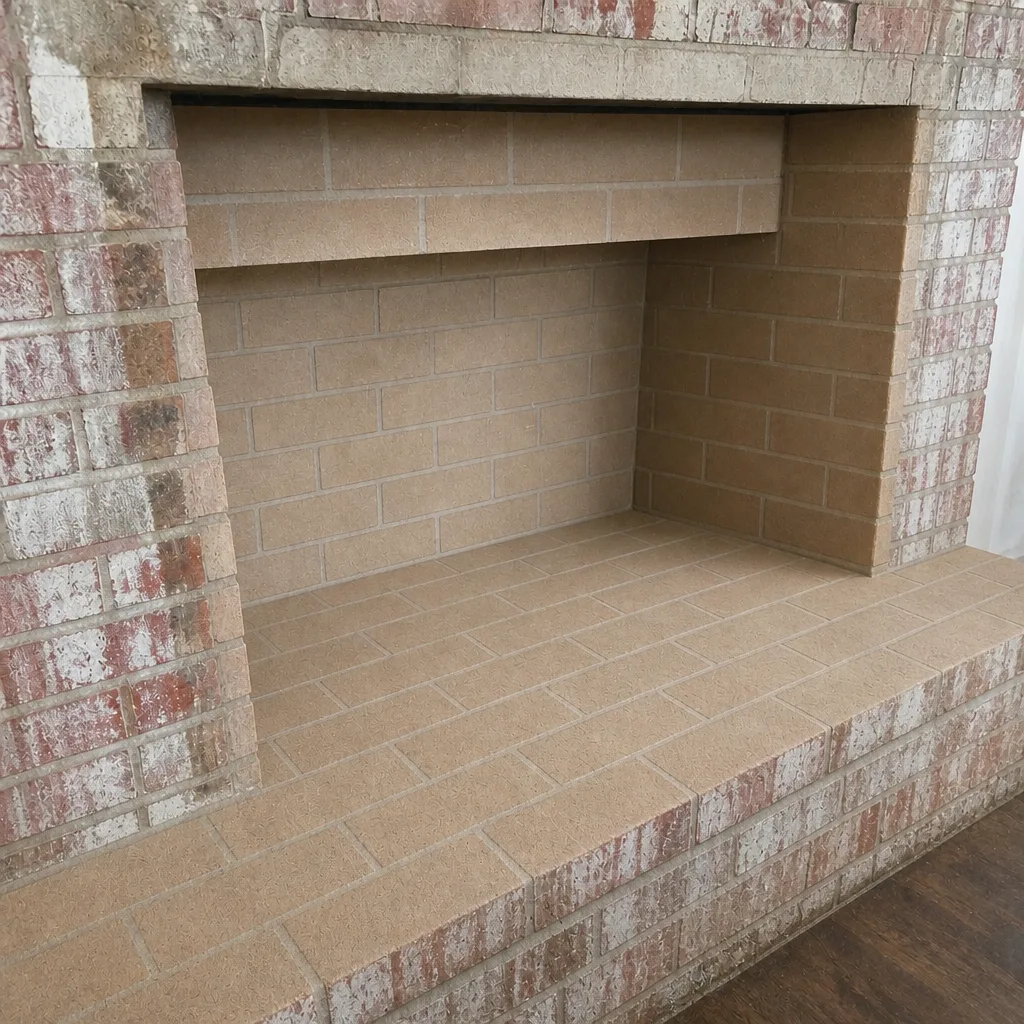
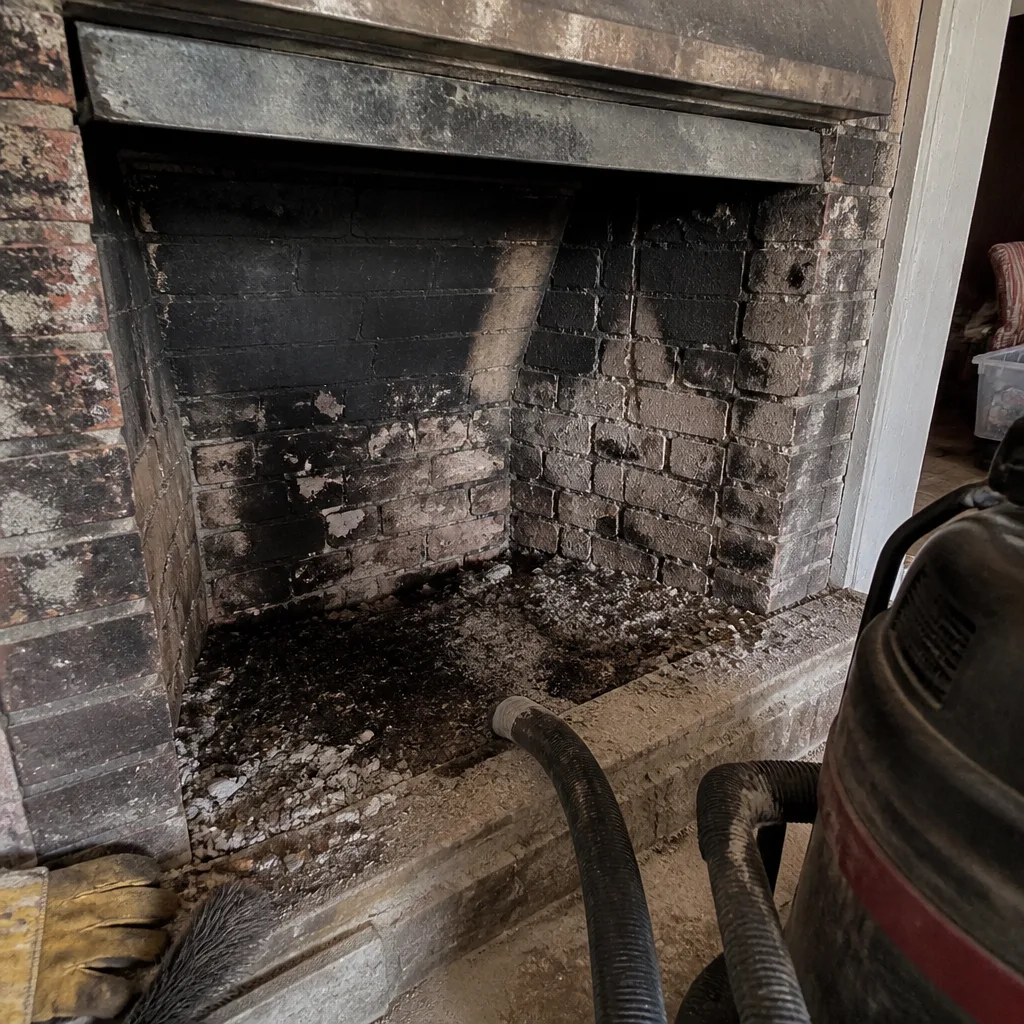
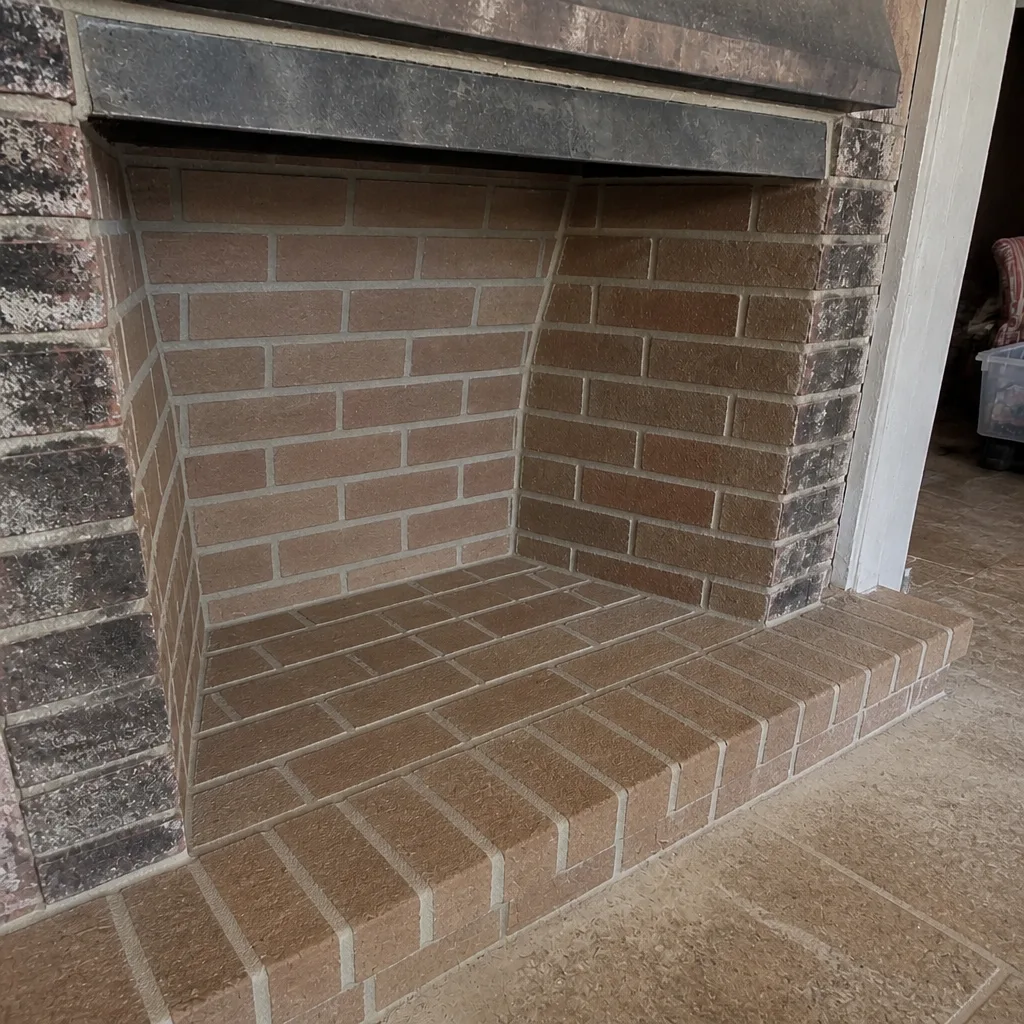
See the difference
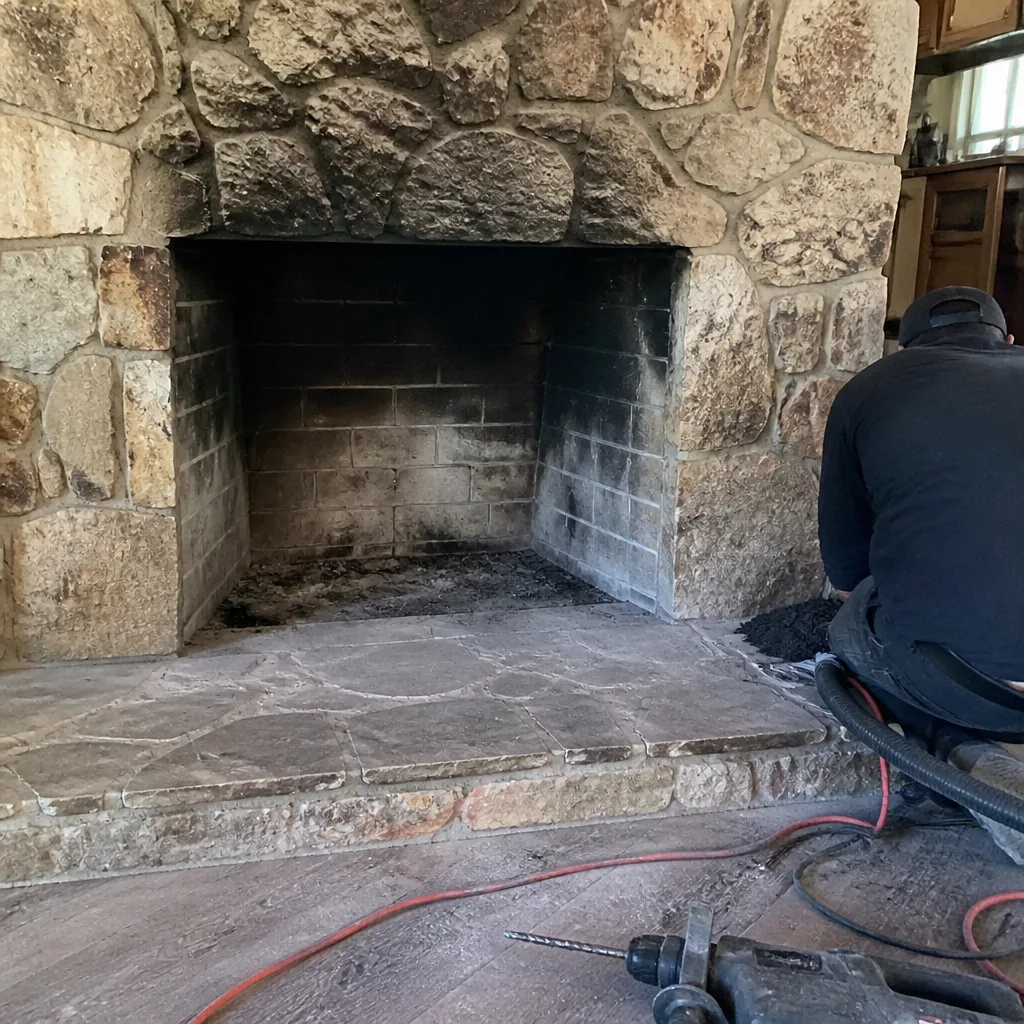 Before
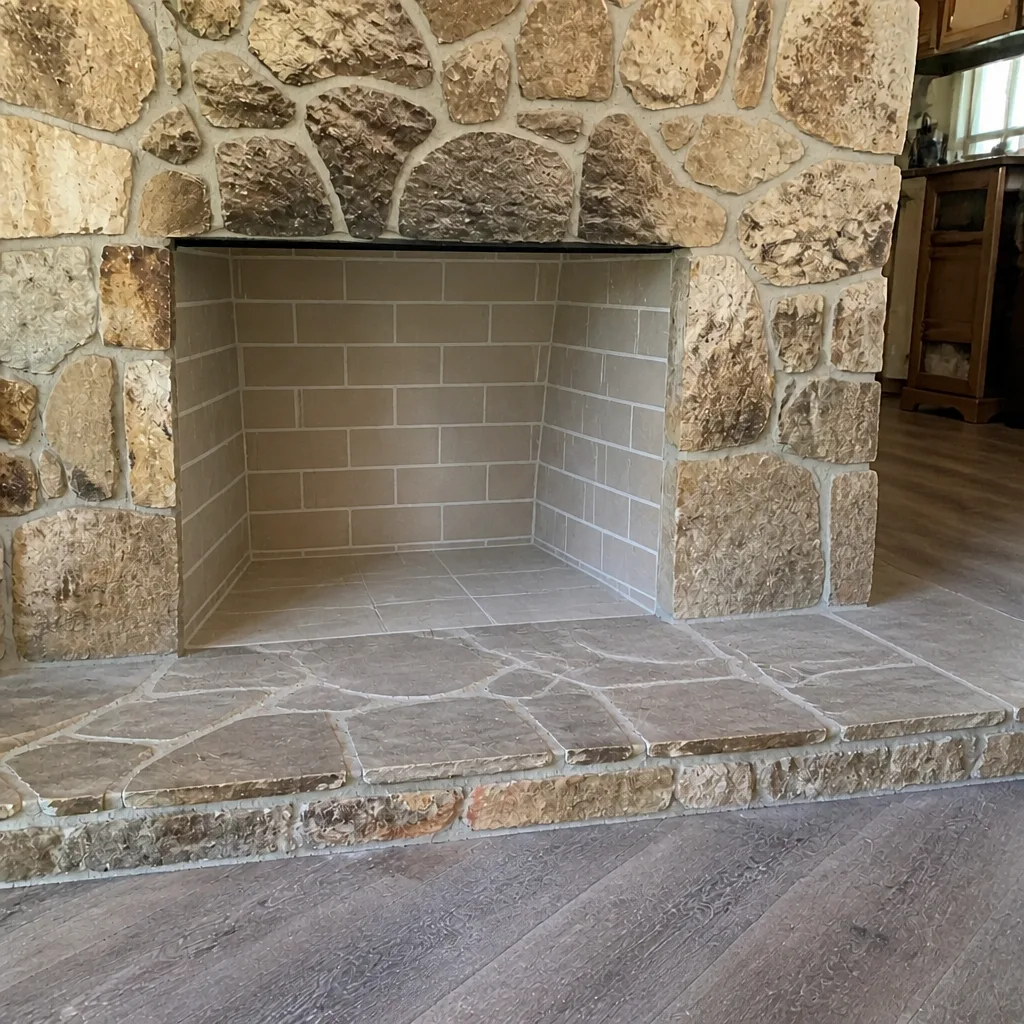 After
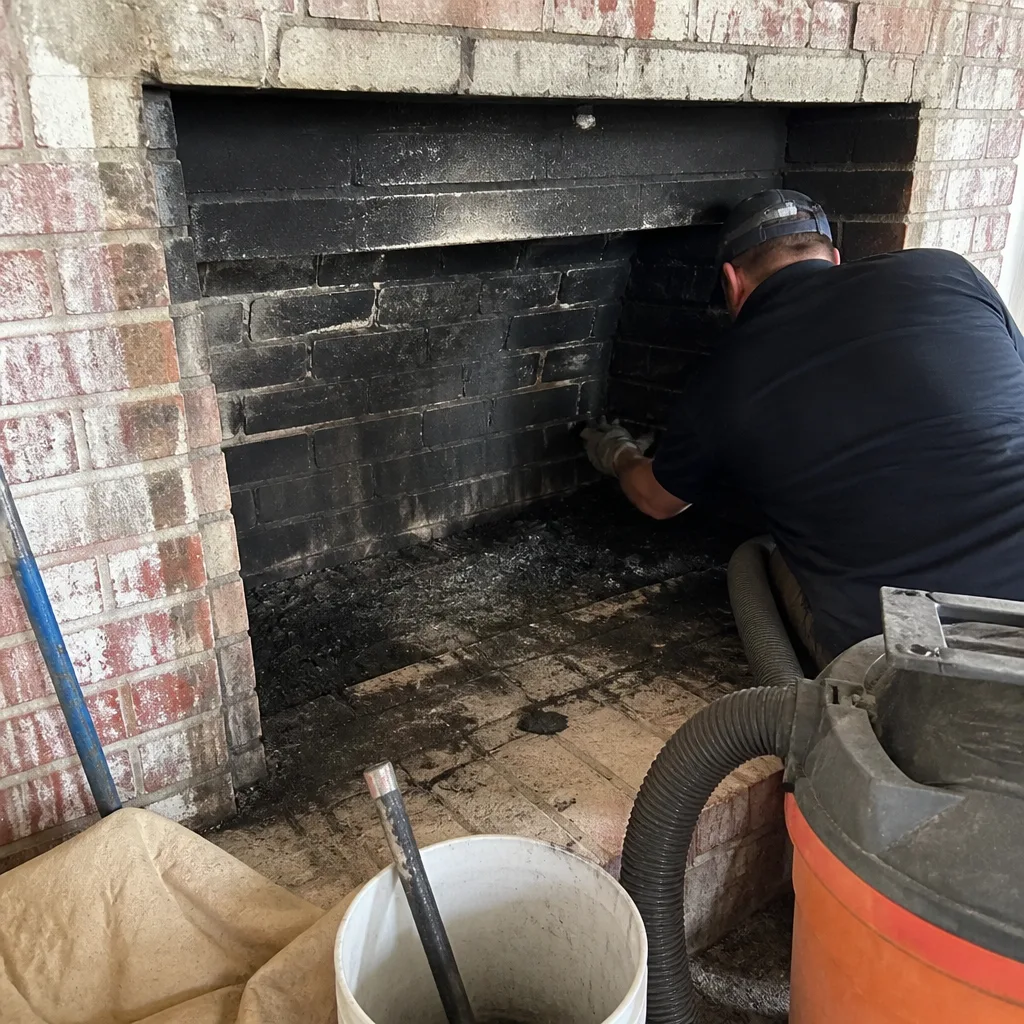 Before
 After
 Before
 After
When to Call a Professional
Call a professional if you hear or see any sign of a chimney fire, if the fireplace has been out of use for years and you’re considering lighting it, if a storm has hit your roof or chimney, or if you’ve noticed water, soot, or draft issues. Call immediately if you’ve had a chimney fire – a Level 2 inspection is not optional afterward. Call before the burning season for a sweep if you burn wood, and call if you’re unsure whether work is needed: a camera inspection and photo report will settle the question. Fort Myers Chimney Sweep offers free estimates in Fort Myers – call (844) 834-3136. We answer 24/7, and our fast dispatch runs from 7am to 7pm, Sunday through Friday.
Frequently Asked Questions
A chimney fire can sound like a low roar, a rumble, or a series of pops and cracks from inside the flue. Some chimney fires are nearly silent and only show up as dense smoke or heat. If you hear anything unusual from the chimney while a fire is burning, treat it as a fire and get everyone out before calling 911.
No. The fireplace should not be used again until a Level 2 inspection is completed, because the most serious damage – a cracked liner – is inside the flue and invisible from the firebox. The inspection is the only way to confirm the system is safe before the next fire. Call (844) 834-3136 to book an inspection in Fort Myers.
Watch for water in the firebox, a visible crack in the crown or flashing, soot or debris falling into the firebox, or smoke spilling into the room when you try to light a fire. Any of these mean the chimney is out of service until it’s inspected. A camera inspection confirms what’s actually happening inside.
They can reduce a chimney fire’s intensity and buy time, but they don’t replace calling 911 or a Level 2 inspection afterward. Think of them as one step in an emergency plan, not a fix.
Once a year for most homes, or whenever creosote has built up to a meaningful layer on the flue wall. Homes that burn heavily or burn unseasoned wood may need more frequent sweeps. Gas fireplaces still need an annual inspection even though they aren’t swept the same way.
Place a detector near the fireplace area and one on each floor, especially near bedrooms. A cracked flue or blocked vent is a CO risk that can build while the house is quiet. A working detector is one of the simplest emergency preparations you can make.
The Bottom Line
A chimney fire and a storm-damaged chimney are different emergencies, but they share a common response: stop using the fireplace and get the flue inspected. Recognize the signs – a low roar, popping, dense smoke, or storm debris in the firebox – and treat them seriously. Keep the sweep’s number saved, confirm your carbon monoxide detectors, and book the annual sweep before the burning season. Fort Myers Chimney Sweep handles cleaning, liner repair with HeatShield and DuraFlex systems, and dryer vent service in one visit. Call (844) 834-3136 for a free estimate.
Written by the team at Fort Myers Chimney Sweep.