
Last updated November 15, 2026
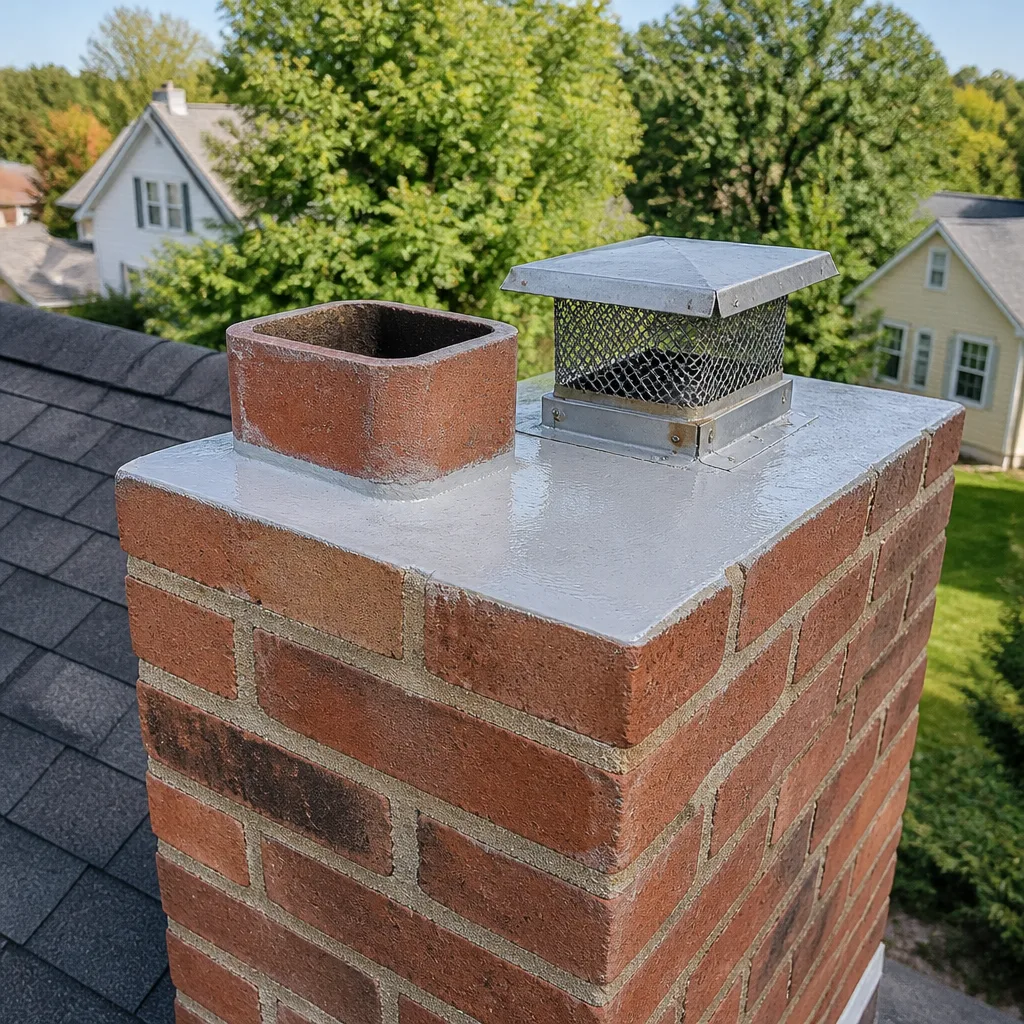 Sweep & inspection
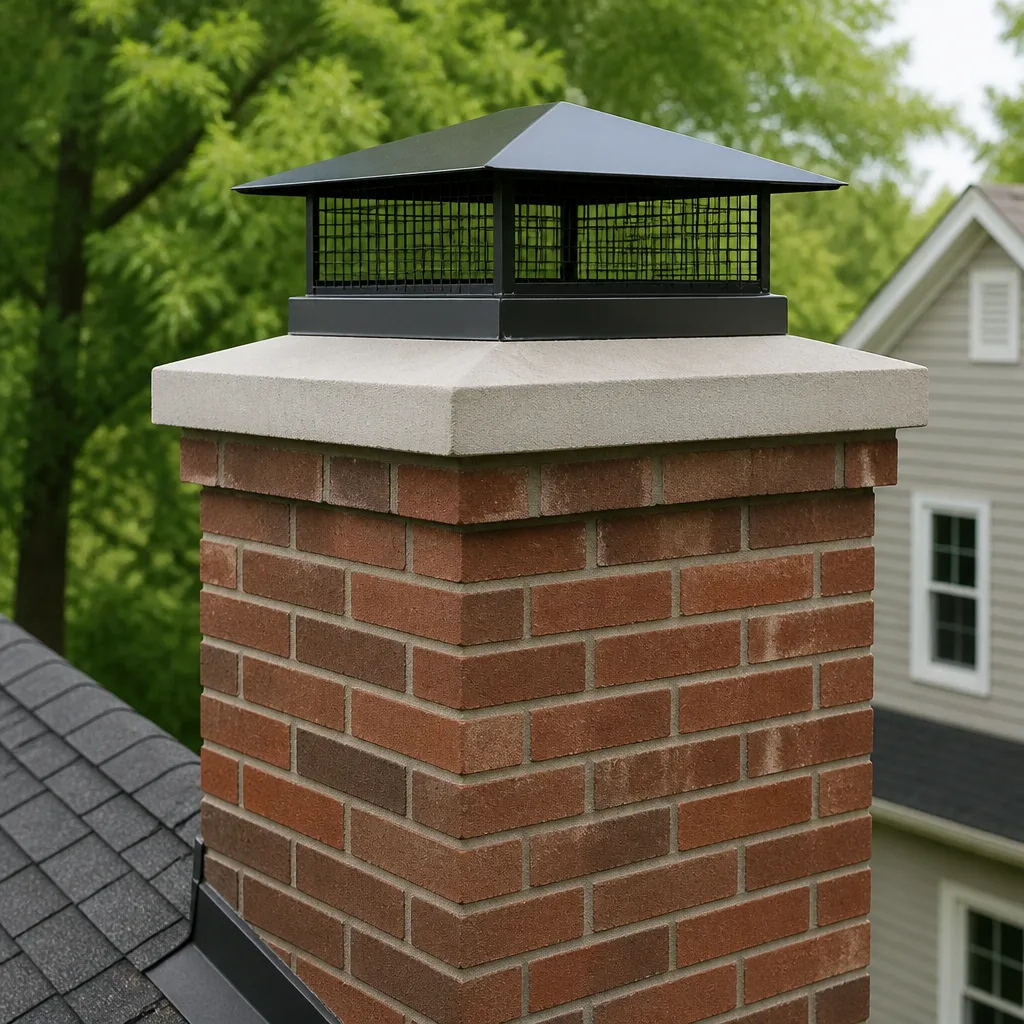 Caps & crowns
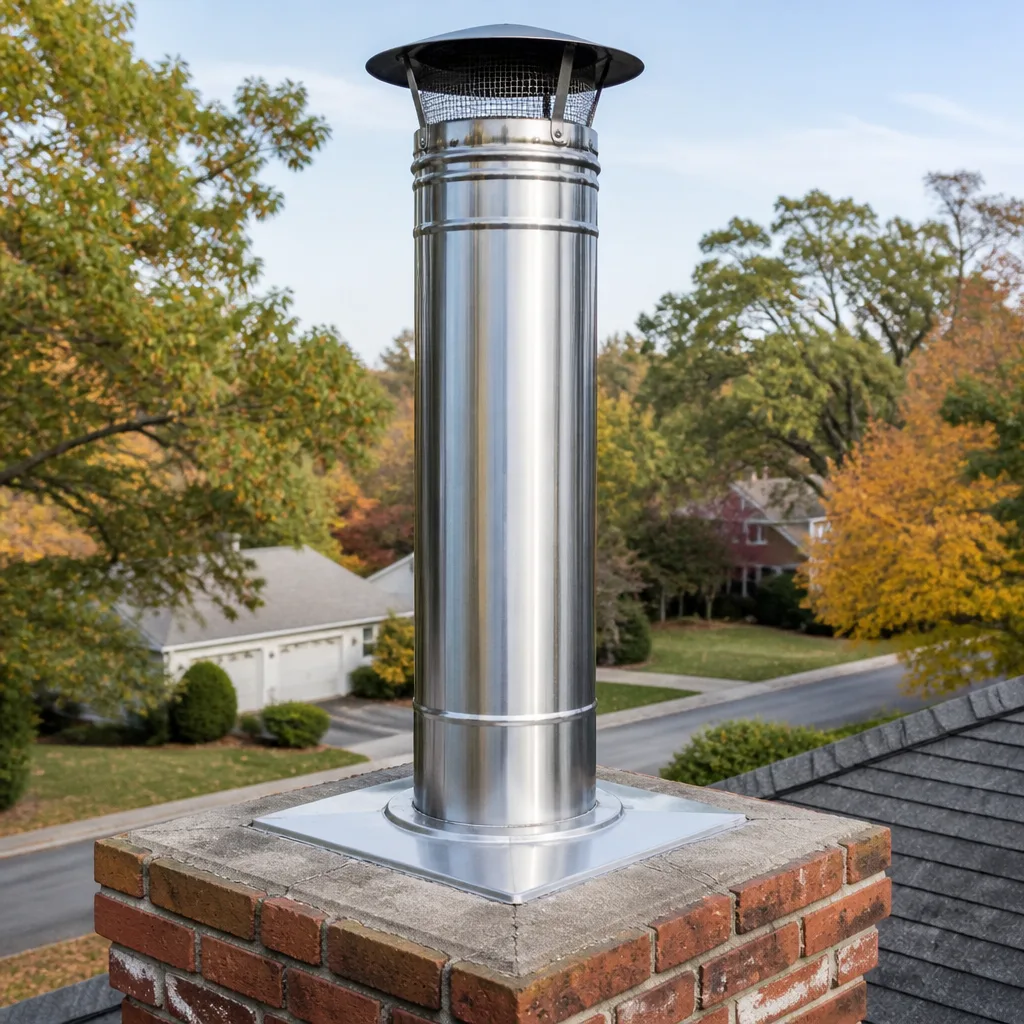 Flue relining
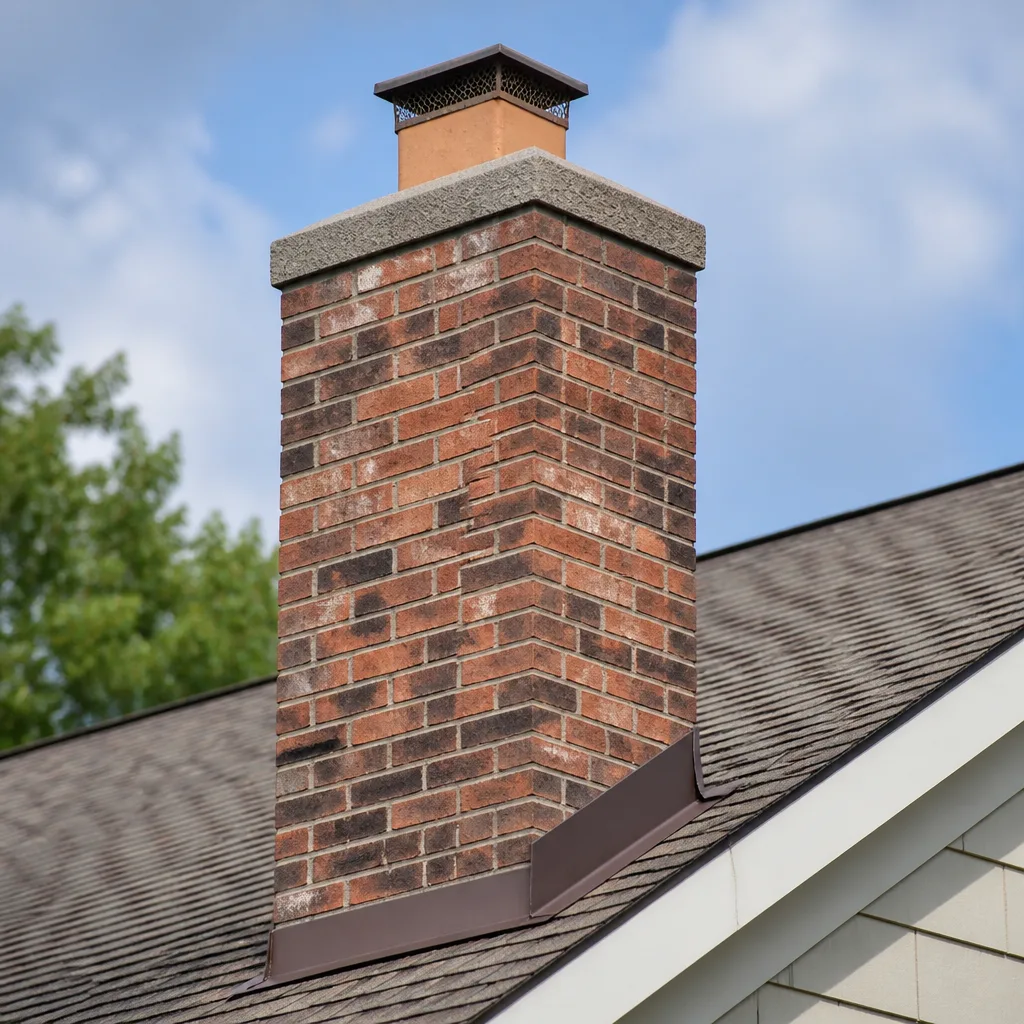 Masonry repair
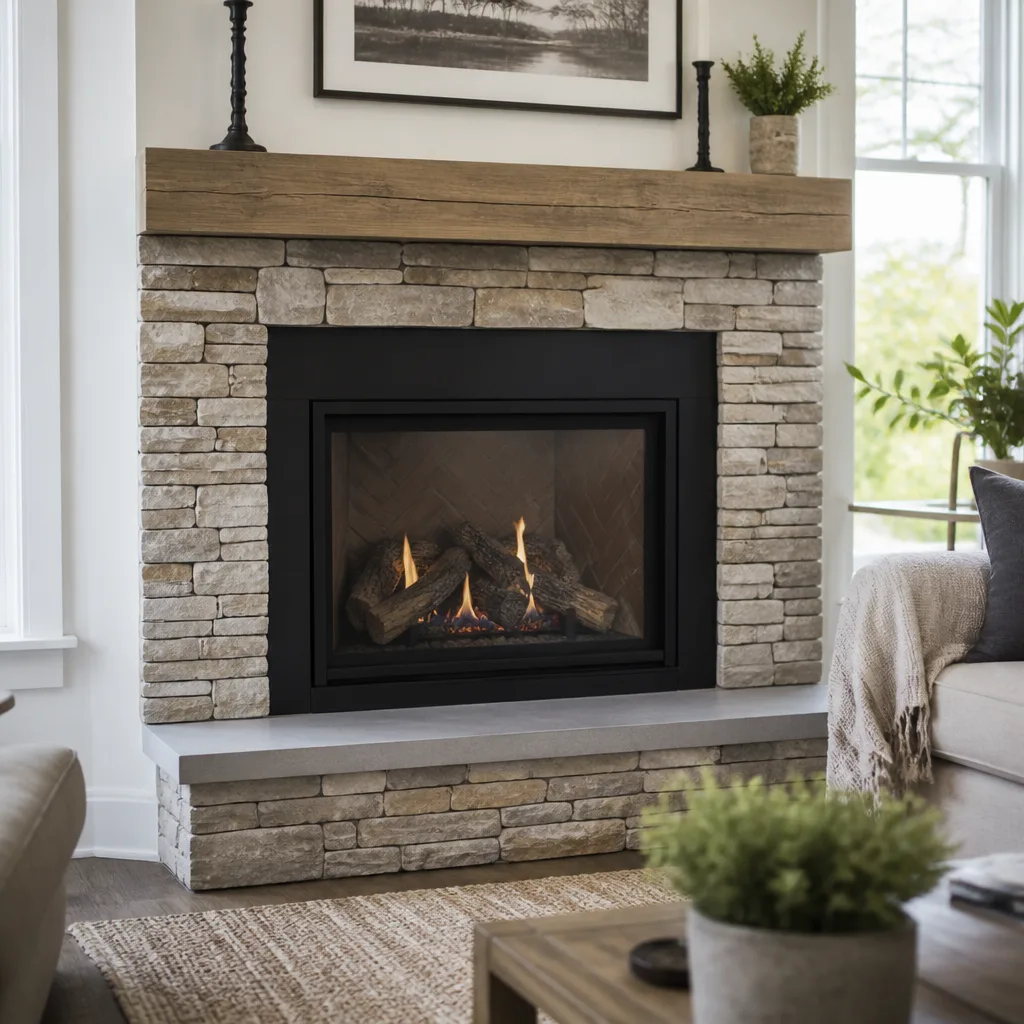 Gas fireplace service
Level 1 sweep and inspection to the NFPA 211 annual standard - flue, crown, cap, and flashing checked and photographed
Chimney sweep logs do not sweep chimneys. They loosen some creosote - which then falls where a brush and vacuum still have to collect it.
Chimney Cleaning Warning Signs: A Fort Myers Homeowner’s Reference Guide
Most chimney warning sign guides hand you the same five symptoms and leave it there: creosote, smoke, smells, birds, cracks. That list isn’t wrong, but it’s flat. It never tells you which sign means “book a cleaning when it’s convenient” and which sign means “stop lighting fires tonight.” That distinction matters more than any single symptom, because a chimney that’s simply overdue for a sweep is a different animal from a chimney with a failed flue liner venting hot gases into your walls. This guide splits the signs into two tiers, adds the moisture and storm signals that show up in Fort Myers homes and rarely make the standard list, and tells you which ones you can check yourself from the ground. By the end, you’ll know what you’re looking at and what to do about it.
Quick Answer
Chimney cleaning warning signs fall into two groups: signs that mean schedule a sweep soon (visible creosote, a smoky smell when no fire is lit, weak draft, animal sounds), and signs that mean stop using the fireplace until a professional inspects it (flame rollout, crumbled mortar visible from the ground, a collapsed damper, a strong sulfur or burning smell with no fire, rust streaks under the cap). In Fort Myers, add humidity-driven signals like rusted chase covers and spalling brick to the list. If any Tier 2 sign is present, don’t light another fire until someone looks at it.
Styles & brands we work with
- Sweep & inspection
- Caps & crowns
- Flue relining
- Masonry repair
- Gas fireplace service
Table of Contents
- Tier 1 Warning Signs: Schedule a Cleaning Soon
- Tier 2 Warning Signs: Stop Using the Fireplace Now
- Florida-Specific Warning Signs Other Guides Miss
- What a Cracked Clay Flue Tile Looks Like From Inside the Firebox
- Post-Hurricane Chimney Checklist for Fort Myers Homes
- What You Can Safely Check Yourself (and What Not To Touch)
- How a Professional Chimney Sweep Should Actually Go
- Common Mistakes to Avoid
- When to Call a Professional
- Frequently Asked Questions
Tier 1 Warning Signs: Schedule a Cleaning Soon
Tier 1 signs mean the chimney is telling you it needs service on your schedule, not on an emergency basis. None of these are reasons to panic. All of them are reasons to pick up the phone and book a chimney sweep before you light the next fire.
Visible creosote on the damper or firebox walls
Open the damper and look up. You’re looking for a crusty, flaky, or tar-like deposit on the metal or on the firebox walls just above it. That’s creosote, the byproduct of incomplete combustion, and it comes in stages: a light soot you can brush, a crumbly black flake that brushes off with effort, and a glazed, shiny crust that has to be treated differently. That third stage is the one that matters. Glazed creosote has cooked onto the flue surface, it re-ignites at lower temperatures than you’d expect, and a regular brush pass won’t move it. If the deposit looks shiny rather than powdery, the chimney needs more than a sweep.
A smoky smell when no fire is burning
If your living room smells like a campfire in July, the chimney is either holding old soot that has absorbed moisture or it isn’t drafting correctly. In a Fort Myers summer, the humidity in the air is a real factor. Soot absorbs it, and the smell comes with it. The mechanical explanation is usually simple: a partially blocked flue or a firebox that isn’t pulling air up and out the way it should. Either way, it’s a Tier 1 sign and worth a look before the burning season starts.
Weak or slow draft
Draft is the chimney doing its one job: pulling smoke up and out. If smoke curls back into the room when you first light a fire, or the flame struggles and the fire is lazy, the draft is compromised. Causes range from a partially closed damper to a nest blocking the flue to a flue that’s too short for the firebox. A weak draft is worth diagnosing because it’s usually a symptom of something that also affects safety.
Animal sounds or debris in the firebox
If you hear scratching, chirping, or flapping coming from the chimney, a bird, squirrel, or raccoon has moved in. A missing or damaged cap is the usual entry point, and once the animal clears out, the nest material stays behind. That material is a blockage, and a blockage is a fire and carbon monoxide hazard. We stock Gelco chimney caps, so a visit that starts as a nest removal can end with the cap it should have had in the first place. A dark streak of soot at the top of the firebox or a scattering of twigs and leaves on the smoke shelf is another sign an animal has been through.
Smoke staining above the firebox opening
A dark streak running up the masonry or the face of the surround above the fireplace opening is a slow-motion record of smoke that hasn’t been clearing properly. It starts small and builds over seasons. The stain itself is cosmetic; what it’s telling you isn’t.
Tier 2 Warning Signs: Stop Using the Fireplace Now
Tier 2 signs are the ones that separate a routine call from a house-fire risk. If you see any of these, don’t light a fire until a trained professional has inspected the chimney. This is not a case where you wait for the next convenient appointment. A failed flue liner, a collapsed damper, or an obstructed flue can push carbon monoxide and combustion gases back into the living space, and that’s a hazard that has nothing to do with whether the fire looks normal from your chair.
Flame rollout
If flames or smoke spill out of the firebox opening while a fire is burning, the flue isn’t drawing. That could be a blockage, a flue that’s too small for the firebox, or a chimney that’s structurally compromised. Shut the fire down safely and call a professional.
Crumbling mortar joints visible from the ground
Stand back and look at the chimney from the yard. If the mortar lines between the bricks are receding, powdery, or missing in sections, the structure has lost integrity. A chimney that’s shedding mortar is a chimney that could potentially shed brick, and that’s a structural concern, not a cosmetic one. In humid climates like ours, moisture that works its way into masonry is often the underlying cause.
A collapsed or stuck damper
A damper that won’t open, won’t close, or has visibly come apart inside the firebox means you’ve lost control of the flue. If it’s stuck open, you’re losing heat up the chimney all year and pulling humid air into the house. If it’s stuck closed, you have no business lighting a fire. Either way, it’s an inspection call.
A strong sulfur or burning smell with no fire lit
A sulfur smell, or anything resembling burning plastic or wiring, with no fire in the firebox is a red flag that has nothing to do with creosote. Gas appliances venting into a shared or adjacent flue, a backdrafting water heater, or a flue that’s pulling combustion gases back into the house can all produce smells like this. Stop using the fireplace, and if the smell is accompanied by a headache or dizziness when the gas appliances run, get everyone out of the house and call your gas utility. The chimney inspection comes after.
Rust, water stains, or efflorescence on the chimney
These are covered in detail in the next section, but they belong on the Tier 2 list when they’re severe. A small white bloom on exterior brick is a moisture issue that needs fixing. A chase cover with rust streaks running down the side into the siding is a chimney that’s taking on water right now, and water plus a masonry chimney is a slow-motion structural problem.
Carbon monoxide detector alerts
If a CO detector sounds while or after the fireplace or any gas appliance runs, treat it as a Tier 2 warning sign every time. Leave the house, ventilate, and don’t re-light anything until the source has been found. A chimney inspection with a camera is how we confirm whether the flue is the culprit. We can work with your insurer on a documented inspection report if one is needed for a claim.
Florida-Specific Warning Signs Other Guides Miss
Most chimney warning sign lists are written for a New England winter. They assume a freeze-thaw cycle, heavy snow loads, and a house that sits idle for five cold months. Fort Myers isn’t that climate, and the specific signs that show up on Fort Myers chimneys come from a combination of humidity, driving rain, and a long off-season during which the chimney gets no heat at all. These are the warning signs worth checking for here:
- Rust streaks below the chimney cap. That streak is usually a rusted chase cover or a rusted top plate on the flue. In our humid climate, metal components that aren’t properly maintained corrode faster than they would in a drier environment. A rusted chase cover isn’t just cosmetic: once it’s compromised, rain gets into the chase, and that water finds its way down into the flue and the ceiling below it. A new DuraFlex liner doesn’t fix a rusted top; the cap and cover have to be right first.
- Spalling brick face. If the faces of your bricks are flaking, popping, or leaving a pile of chips at the base of the chimney, that’s spalling, and it’s almost always moisture. The brick absorbs water during the wet season, then the sun bakes it dry, and the surface gives way. Spaling brick is a sign the chimney isn’t shedding water the way it should, whether from a failed cap, a missing crown, or masonry that was never properly sealed.
- Efflorescence on exterior masonry. That white chalky stain running down the outside of the chimney is efflorescence, and it means water is moving through the masonry and carrying mineral salts with it. It looks cosmetic. It isn’t. The efflorescence won’t stop until the water entry point is sealed, and by then the interior of the masonry has been wet for a while.
- Water in the firebox or a damp smell inside. If the firebox floor is damp after a rain, or the whole fireplace smells musty year-round, water is getting into the chimney from somewhere, and the source is nearly always the top of the chimney: a cap, a crown, a cracked chase cover, or masonry joint repair that’s overdue.
- A chimney that hasn’t been swept since you moved in, on a house that isn’t new. In a warm climate, a fireplace can sit unused for years between sweeps, and a Tampa-area inspector would tell you the same thing a Fort Myers one will: unused chimneys don’t self-clean, they accumulate, and a nesting animal will find an open flue long before you do. Verify the last sweep date any time you buy a house in Fort Myers or rent one to someone.
What a Cracked Clay Flue Tile Looks Like From Inside the Firebox
Not every warning sign requires a professional to see. One of the most important ones is visible from inside the firebox with a strong flashlight, and it’s the one homeowners ask us about most often. A cracked clay flue tile looks like a hairline split, a stair-step pattern, or, in severe cases, a missing chunk of tile surface in the flue walls above the smoke chamber. You’ll need to look up past the damper with a bright light, and in most fireplaces, you won’t see the whole flue from that angle. But if you can see a crack, a gap, or a piece of clay tile that’s spalled off and left a void, that’s enough.
Why it matters: a clay flue liner is supposed to contain everything the fire produces and route it up and out. When a tile cracks, hot gases and combustion byproducts have a path into the chimney structure itself and potentially into the framing. That’s why a visible crack in a clay flue tile requires a Level 2 inspection before the fireplace is used again: the camera inspection shows the full run of the flue, including sections you can’t see from the firebox, and tells you whether the crack is isolated or whether the liner is compromised throughout. When the flue is compromised, we install DuraFlex flexible liner systems, which can navigate offset flues that rigid liners can’t. Where the flue walls are sound but the inner surface is deteriorating, HeatShield ceramic flue resurfacer can restore the liner without full demolition. Both of those decisions are made after the camera inspection, not before.
Post-Hurricane Chimney Checklist for Fort Myers Homes
If a storm has gone through and the power comes back on, the chimney is one of the last things people remember to check. Wind-driven rain and flying debris can compromise a chimney in ways that are invisible from inside the house. This is a numbered checklist you can walk through from the ground before you call anyone:
- Look at the cap. Is it still seated on top of the flue, or has it been displaced or torn away? A missing cap is an open flue, and an open flue is a path for rain, debris, and animals.
- Check the chase cover. If your chimney has a chase cover (the metal top on a framed chimney), look for lifted edges, dents, or standing water on top of it. A cover that’s been lifted by wind is no longer sealing, even if it hasn’t been torn off.
- Inspect the crown wash. The crown is the sloped concrete or masonry top around the flue. A cracked crown is the single most common water entry point we find after a storm. If the crown is cracked, water goes straight into the masonry on every subsequent rain.
- Look for debris in the firebox. Open the damper and shine a light up. Twigs, leaves, bird nest material, or shingle fragments mean the cap or crown was compromised and material went down the flue. That debris has to come out before anyone lights a fire.
- Look for new efflorescence or sudden water stains inside the house. A brown water stain spreading on the ceiling near the chimney after a storm is a sign the chase is taking on water, and it means the top of the chimney needs a look before it gets worse.
- Check the exterior for new spalling, displaced brick, or visible cracks in the mortar. Wind and impact damage sometimes reveals masonry that was already failing.
Any of items 1 through 4, unresolved, is a reason to schedule an inspection before the fireplace is used. In Fort Myers, the burning season runs through the cooler months, so there’s typically a window between storm season and the first fire, and it’s a good window to schedule a sweep and inspection. Our technicians have up to 9 years of experience spotting exactly these post-storm patterns, and we recommend an inspection any time a homeowner isn’t sure what they’re looking at. If you’re in Fort Myers and the chimney took a storm, call and book a look.
What You Can Safely Check Yourself (and What Not To Touch)
There’s a useful line between what a homeowner can check and what a homeowner should never touch. Knowing where that line is prevents more injuries than any tool.
Safe to check yourself
- Look up the chimney from the ground with binoculars for missing caps, broken crowns, rust streaks, spalling brick, and efflorescence.
- Open the damper and shine a flashlight up into the firebox to check for visible creosote, cracked clay tile, and debris.
- Confirm the chimney has a cap and that the cap is seated on the flue.
- Note smells, strength of draft, and any smoke that curls back into the room when a fire is first lit.
- Test smoke and carbon monoxide detectors on the schedule the manufacturer specifies.
Never touch yourself
- Don’t get on the roof to inspect or clean the chimney. Roof falls are a serious injury risk even on a low single-story roof in flat conditions.
- Don’t try to reach up the flue past the damper with a brush or tool. The flue opening narrows and offsets, and you can get stuck, dislodge debris onto yourself, or damage a clay tile.
- Don’t try to remove a glazed creosote deposit with household tools. It’s harder than it looks, re-ignites easily, and a partially removed crust is worse than an untouched one.
- Never try to fix a cracked clay flue tile or a compromised liner yourself. Liner work is a professional scope of work that includes proper sizing, connection, and clearances.
- Never work on a gas appliance connection, a gas log set, or a gas insert. Gas is a trained-professional scope, and if you smell gas, leave the house and call your gas utility before you call a chimney company.
The safest self-check is the pair of binoculars from the ground and a flashlight pointed up the firebox. Everything else is the technician’s job.
How a Professional Chimney Sweep Should Actually Go
A professional sweep is a diagnostic visit as much as a cleaning visit. The visit is set up so we can find a problem while we’re already there, rather than after you’ve lit a fire. Here’s the sequence we follow:
- Exterior inspection from the ground. Cap, crown, chase cover, masonry, flashing. We’re looking for the moisture pattern before we see the inside.
- Interior inspection of the firebox and smoke chamber. Damper operation, visible creosote, clay tile condition, firebox joints.
- Sweep the flue. The technique depends on the creosote stage. Powdery creosote brushes off. Glazed creosote has to be treated or chemically softened, and sometimes removed with more than a brush.
- Camera inspection. A camera up the flue shows the full run, including any offset and the top of the flue. This is where cracked tiles, liner gaps, and hidden blockages get found. In a Fort Myers home that’s been through a storm season, this is the step that matters most.
- Photo report and written findings. The camera inspection produces photos, and the photos are yours. We don’t recommend a liner or masonry repair without showing you the evidence that justifies it.
- Quote the fix, if one is needed, in writing. The written estimate sets the price. Same-day fixes are often possible: a Gelco cap installed, a top plate replaced, or a component from the Olympia Chimney and Copperfield product lines swapped in on the same visit. More involved repairs, like a HeatShield resurface or a DuraFlex reline, get their own written scope.
One thing worth being clear on: we won’t tell you that you need a new liner on the strength of a hunch. Nothing is recommended without camera evidence you can look at yourself. If the flue is sound and the fix is a cleaning and a cap, we’ll tell you exactly that, and if the repair can safely wait until the next season, we’ll say so. The written estimate is the final word on price, and the price is set per job, not per hour.
Common Mistakes to Avoid
- Treating every warning sign as a Tier 1 sign. A crumbled mortar joint visible from the ground is not a “schedule for later” symptom. Sorting your signs into “schedule soon” and “stop using now” is the single most useful thing you can do as a homeowner.
- Lighting a fire in a chimney that hasn’t been swept in years. In Fort Myers’s climate, that chimney has been sitting unused through the warmer months, and whatever material was on the flue is still there. A first fire of the season is exactly when a blocked or heavily fouled flue is most likely to fail.
- Assuming “no fire in the house” means “no chimney problem.” A gas appliance venting into a chimney still needs to move its exhaust, and in the same way a wood fire does. Carbon monoxide risk doesn’t care whether the fireplace is being used.
- Ignoring rust, white stains, and spalling brick as cosmetic. In a humid climate, those are the visible signals of water moving through the masonry, and the repair cost grows the longer the entry point stays open. A rusted chase cover is one of the most common causes of interior water damage we see on Fort Myers homes.
- Letting a single animal sighting go. One bird on the chimney isn’t a problem. Chirping or scratching from inside the flue means a nest was built, and a nest blocks the flue whether or not the animal is still there.
- Hiring a generalist handyman for a chimney job. Chimney work involves specific materials, specific clearances, and specific brands. A generalist may sweep a flue, but liner work and cap installation need proper components. We use DuraFlex, HeatShield, Gelco, Olympia Chimney, Famco, and Copperfield materials because those are the brands the trade specifies, not because they’re the easiest to source.
- Forgetting the dryer vent cleaning in the same visit. Lint is one of the most common causes of dryer fires, and it accumulates fast in a household that runs a lot of loads. The chimney and the dryer vent are two paths into the same house, and both are fire-safety items that get neglected in the same way.
When to Call a Professional
Call when a Tier 2 sign appears: flame rollout, crumbled mortar visible from the ground, a collapsed or stuck damper, a sulfur or burning smell with no fire lit, or a CO detector alert. Call when a Tier 1 sign has been there for a while: visible creosote, a smoky smell with no fire, weak draft, or animal sounds. Call after a storm if the cap is displaced, the chase cover is lifted, the crown is cracked, or debris is in the firebox. Call after buying a home in Fort Myers if you don’t know when the chimney was last swept. And call if the roof is too steep, the chimney is too tall, or you’re simply not sure what you’re looking at. Every one of those scenarios deserves a look from someone who does this work for a living.
Fort Myers Chimney Sweep offers free estimates in Fort Myers: call (844) 834-3136. We answer 24/7. Fast dispatch from 7am to 7pm, Sunday through Friday. A built chimney is a safety system, and a system that hasn’t been checked is a system you’re trusting without evidence. That’s a fixable position.
Frequently Asked Questions
A typical chimney sweep in Fort Myers is a per-job service, and the written estimate sets the final price before any work starts. The cost depends on the flue configuration, the creosote stage, and whether a camera inspection and cap replacement are part of the visit. The right answer for your chimney is the one in the written estimate, not a number quoted over the phone. Call (844) 834-3136 for a free estimate.
You need a new liner when the camera inspection shows that the existing flue is compromised: cracked clay tiles, gaps, or a deteriorated interior surface that can’t contain the fire’s exhaust. If the flue is sound, a cleaning call is a cleaning call, and we’ll tell you so. Where the flue walls are sound but the surface needs restoring, HeatShield ceramic flue resurfacer is an option that often avoids full liner replacement. Where the flue needs a whole new liner, a DuraFlex flexible system is a common solution for flues with offsets. Nothing is recommended without camera photos you can see for yourself. Call (844) 834-3136 for a free estimate.
Most wood-burning fireplaces should be swept once a year, or sooner if you burn heavily or notice Tier 1 signs. In a Fort Myers home where the fireplace sees less use, an annual inspection is still worth doing: the humidity and the off-season mean water and nesting problems can develop whether or not the fireplace is lit. If the chimney hasn’t been used in years, treat the first visit as an inspection, not just a sweep. Call (844) 834-3136 for a free estimate.
Creosote builds up on the flue walls, and the deposit gets harder to remove the longer it sits. It also raises the risk of a chimney fire, and in the worst stage, glazed creosote re-ignites at a lower temperature than you’d expect from a fire in a box. Separately, a blocked or compromised flue can push carbon monoxide back into the house. A skipped sweep is a slow buildup of a problem that’s cheaper to fix now than after the damage. Call (844) 834-3136 for a free estimate.
Look from the ground: a displaced cap or chase cover, a cracked crown, new rust streaks, a new white bloom of efflorescence on the brick, or a sudden water stain on the ceiling near the chimney. Open the firebox with a flashlight and check for debris. Any of those is a reason to book an inspection before the fireplace is used. We see these post-storm patterns on Fort Myers chimneys every season. Call (844) 834-3136 for a free estimate.
Yes, and it’s the reason we run dryer vent cleaning as its own service rather than a bolt-on. Lint is the leading appliance-related fire risk in a house, and it accumulates in the vent just the way creosote does in the flue. One visit for both is one less thing to schedule later, and one less fire hazard left unaddressed. Call (844) 834-3136 for a free estimate.
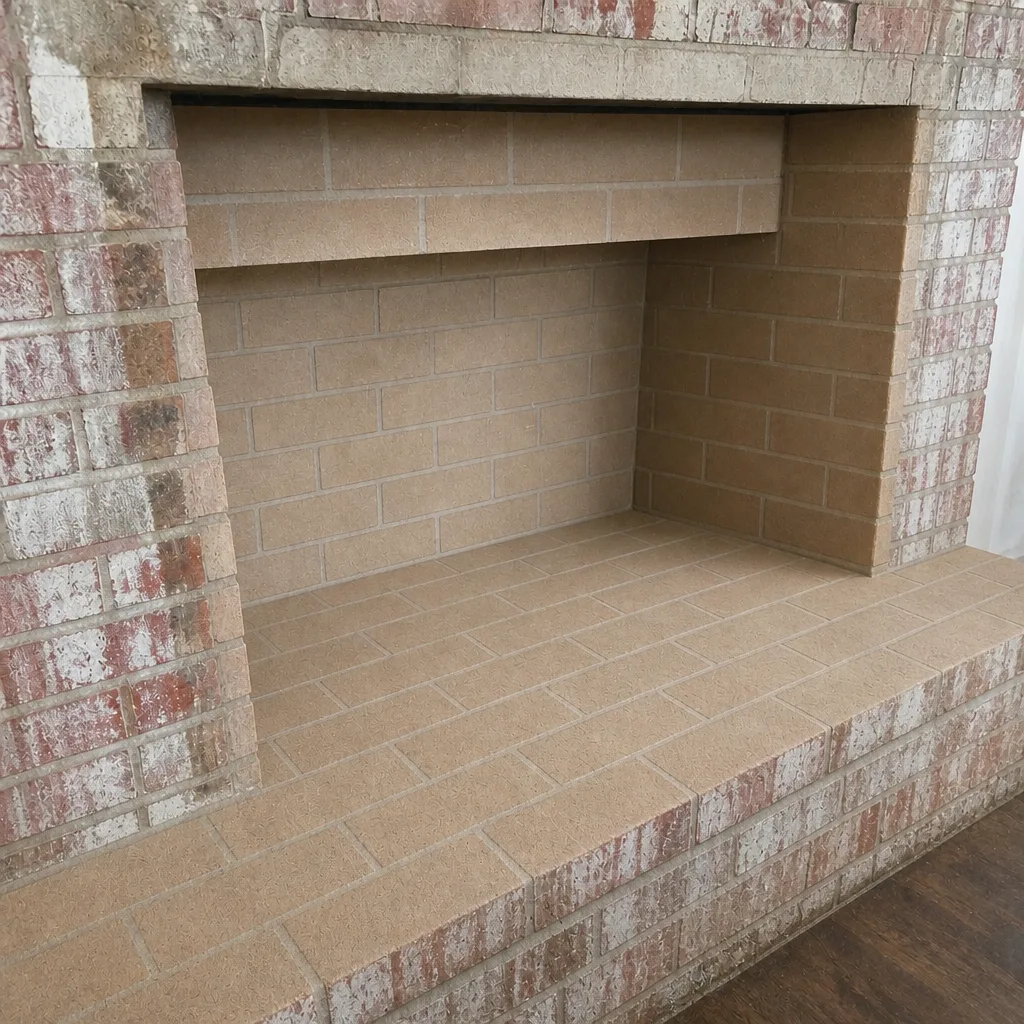
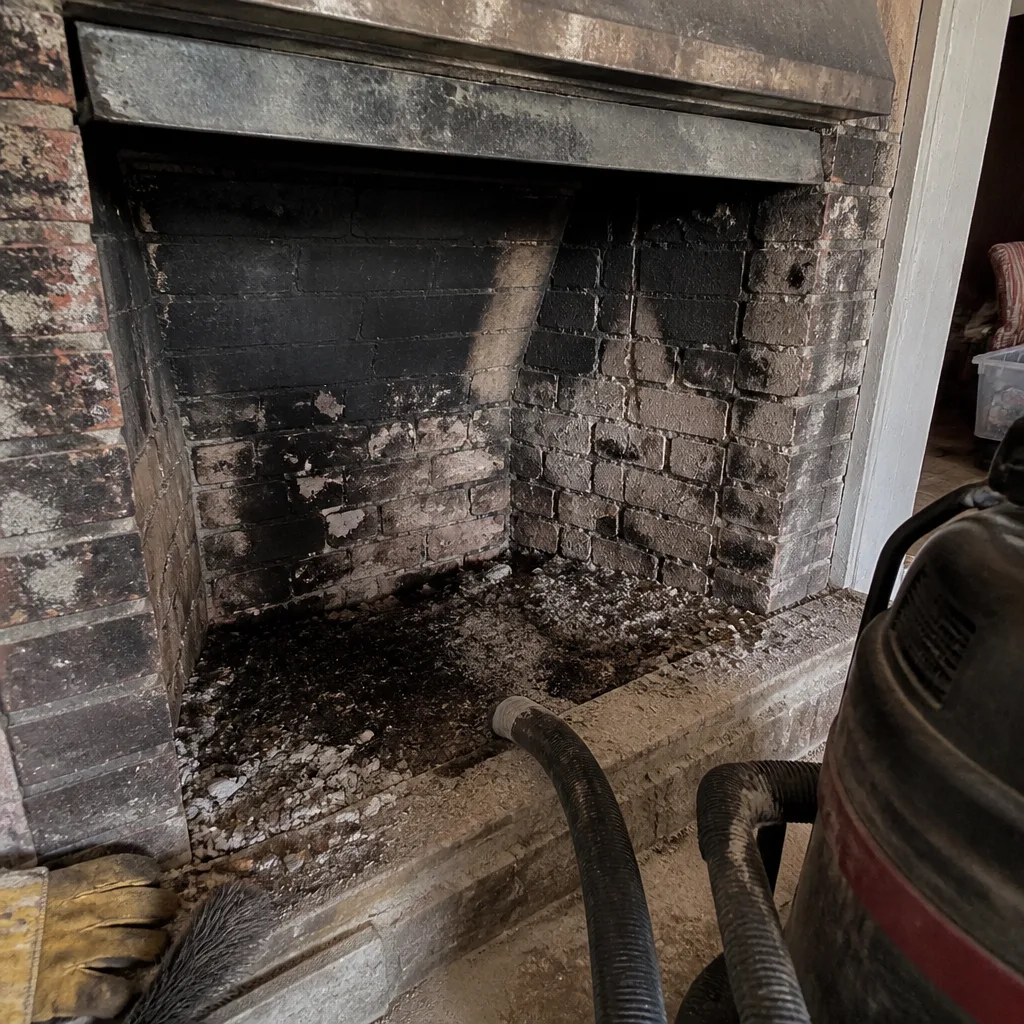
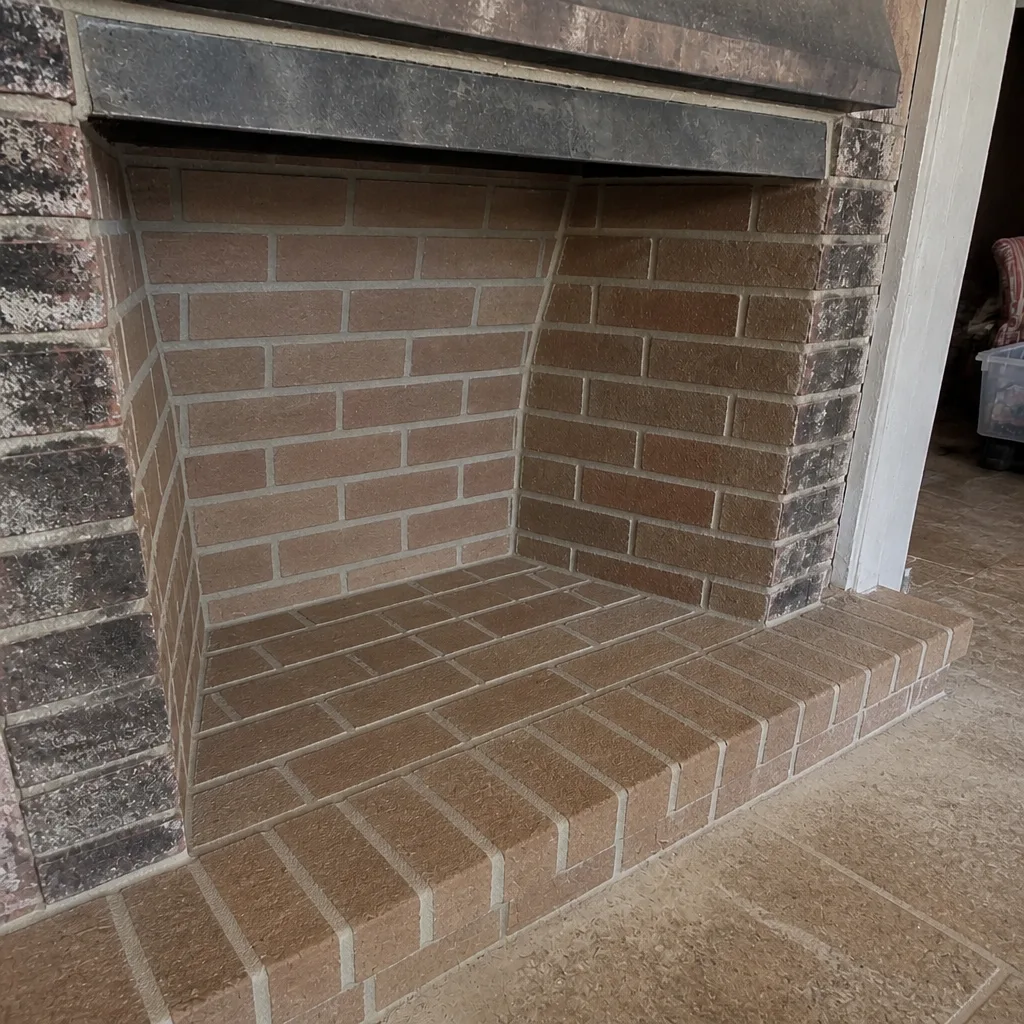
See the difference
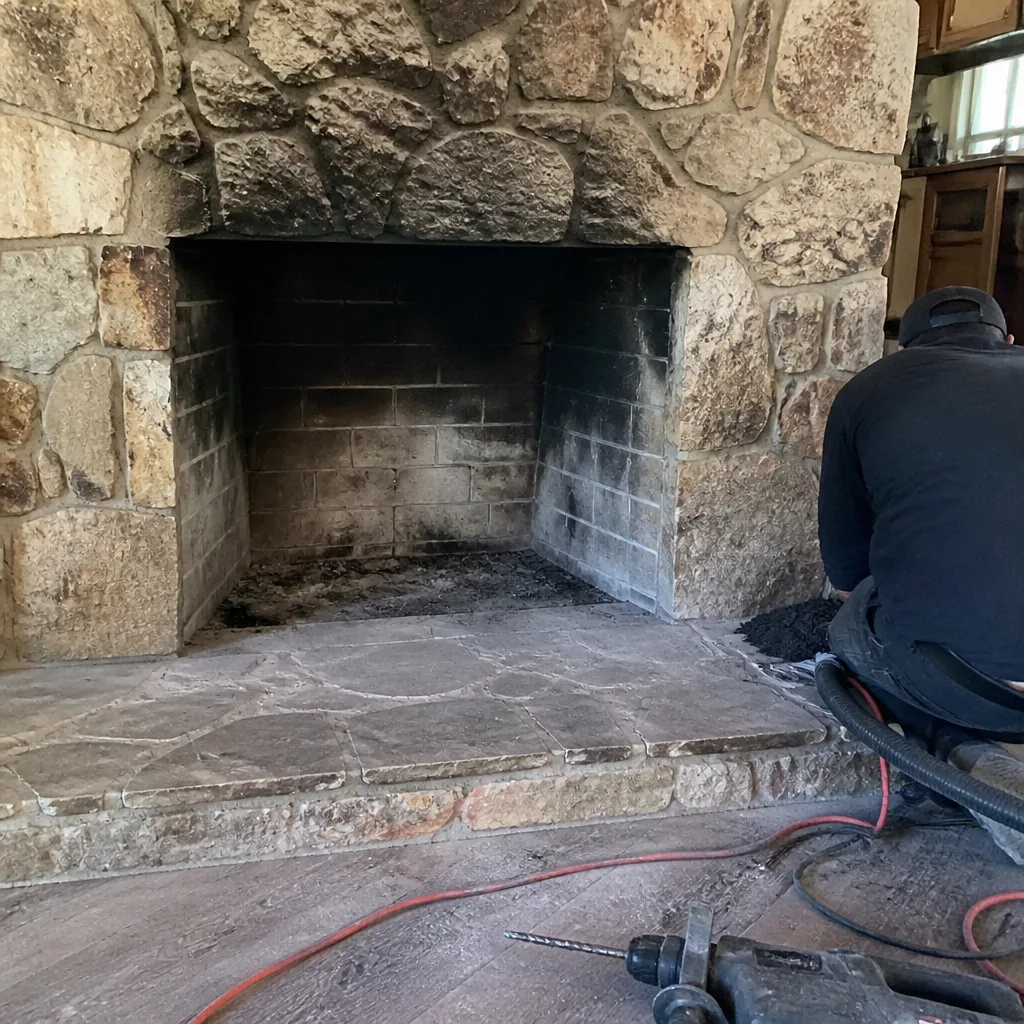 Before
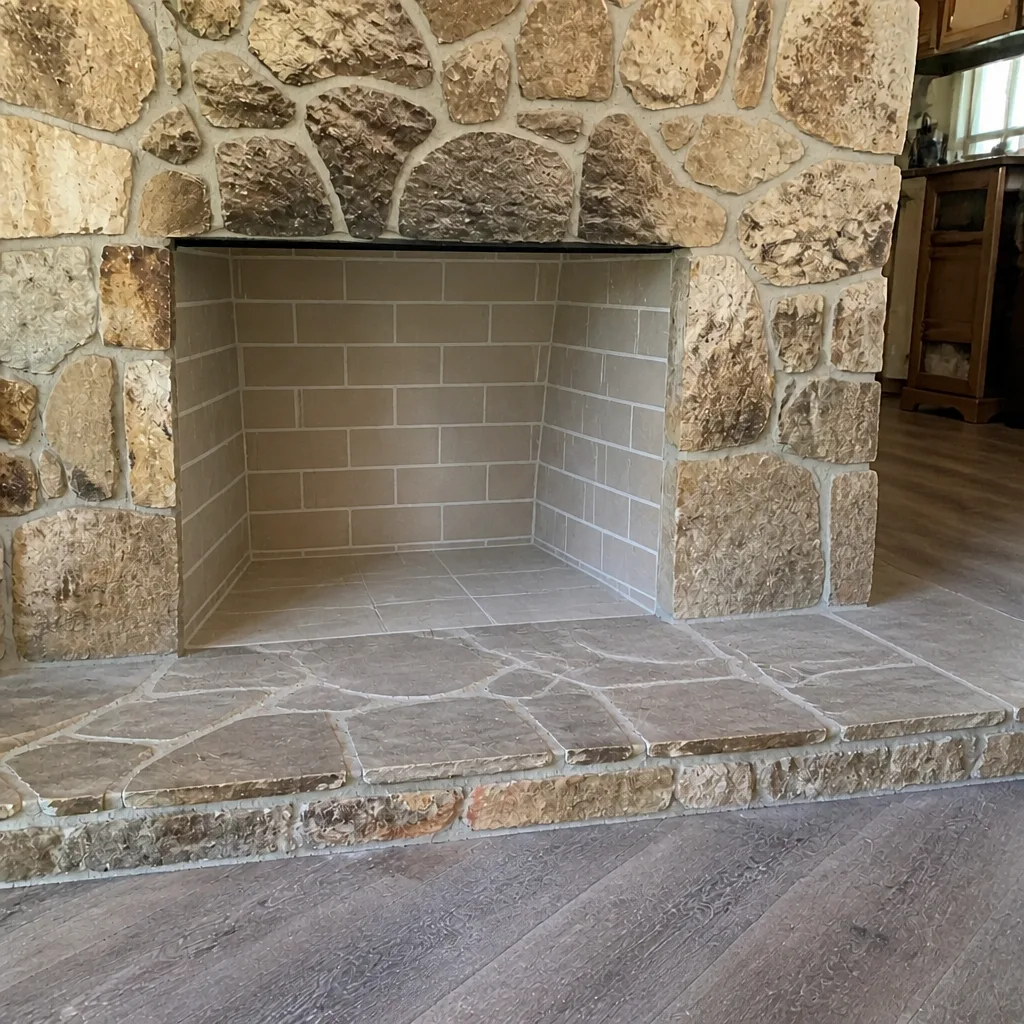 After
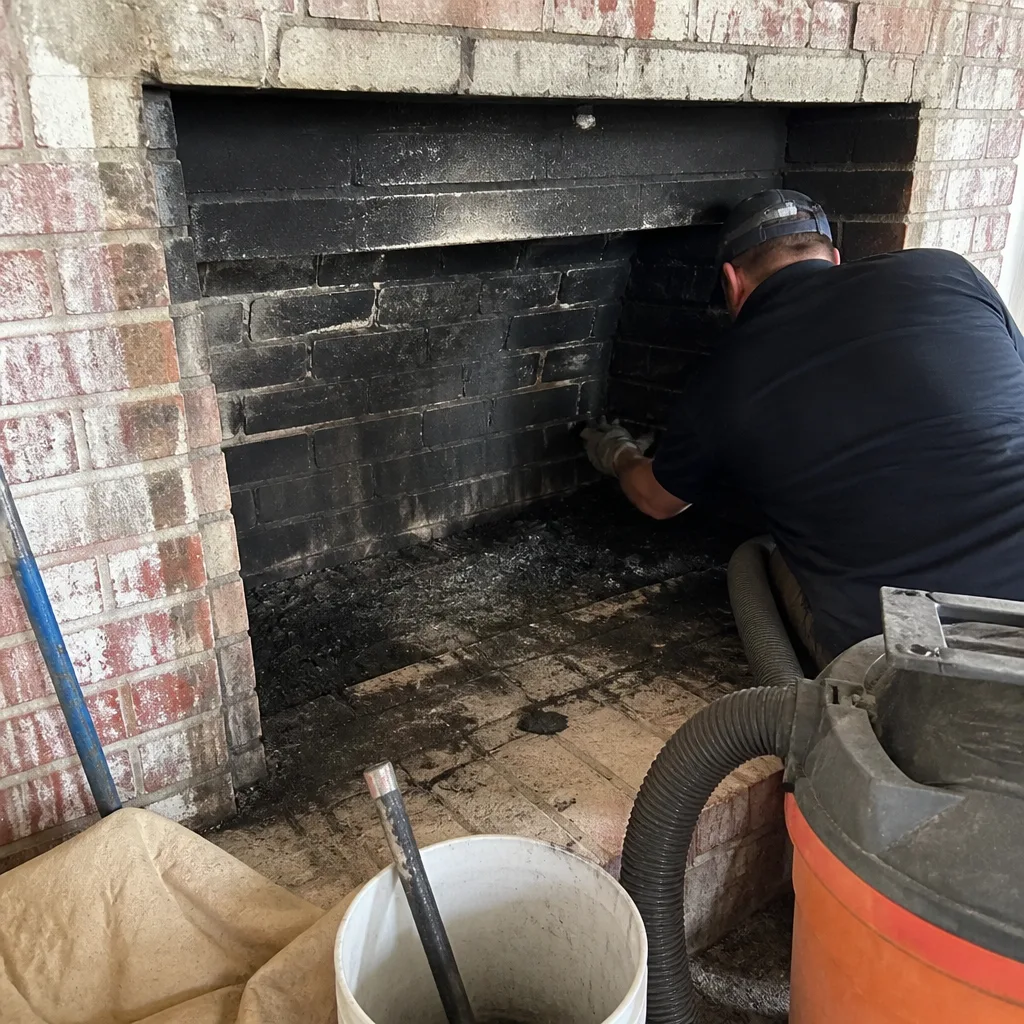 Before
 After
 Before
 After
The Bottom Line
The most useful thing this guide can leave you with is the two-tier distinction. A Tier 1 sign (visible creosote, smoky smell, weak draft, animal sounds, smoke staining above the firebox) means schedule a sweep on your timeline. A Tier 2 sign (flame rollout, crumbled mortar, collapsed damper, sulfur or burning smell with no fire, CO alarm) means stop using the fireplace and get it inspected now. In Fort Myers, add the humidity signals: rust streaks, spalling brick, and efflorescence, all of which say water is getting into the masonry and the entry point needs sealing. Check what you can safely check from the ground. Don’t touch the flue or the roof yourself. And don’t let a Fort Myers Chimney Sweep booking drift past the start of the next burning season.
Contact
If a warning sign on this list matches what you’re seeing, call (844) 834-3136 for a free estimate. We answer 24/7. Fast dispatch from 7am to 7pm, Sunday through Friday. Our technicians have up to 9 years of experience, and we work with your schedule. The written estimate sets the price, the camera photos show you the evidence, and if the work can safely wait, we’ll tell you. One call covers your chimney and your dryer vent.
Written by the team at Fort Myers Chimney Sweep.