
Last updated November 15, 2026
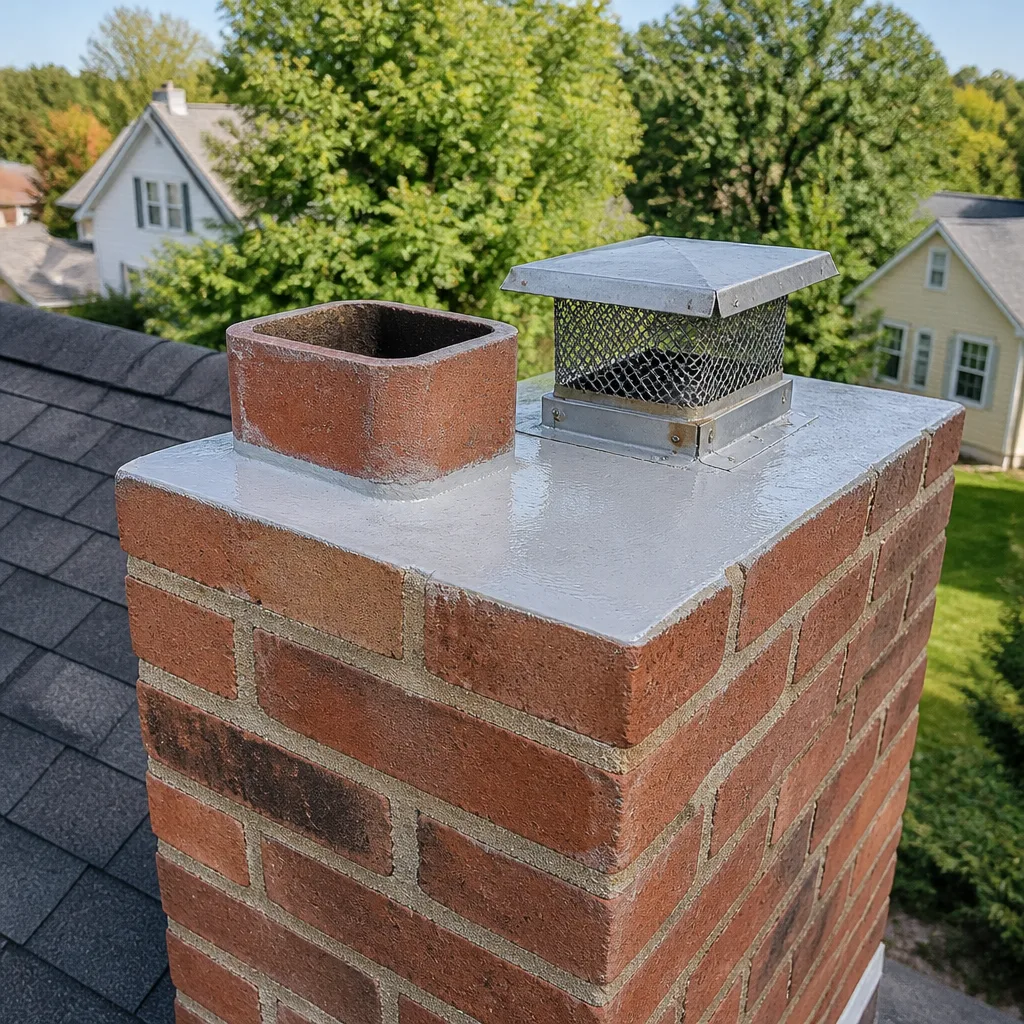 Sweep & inspection
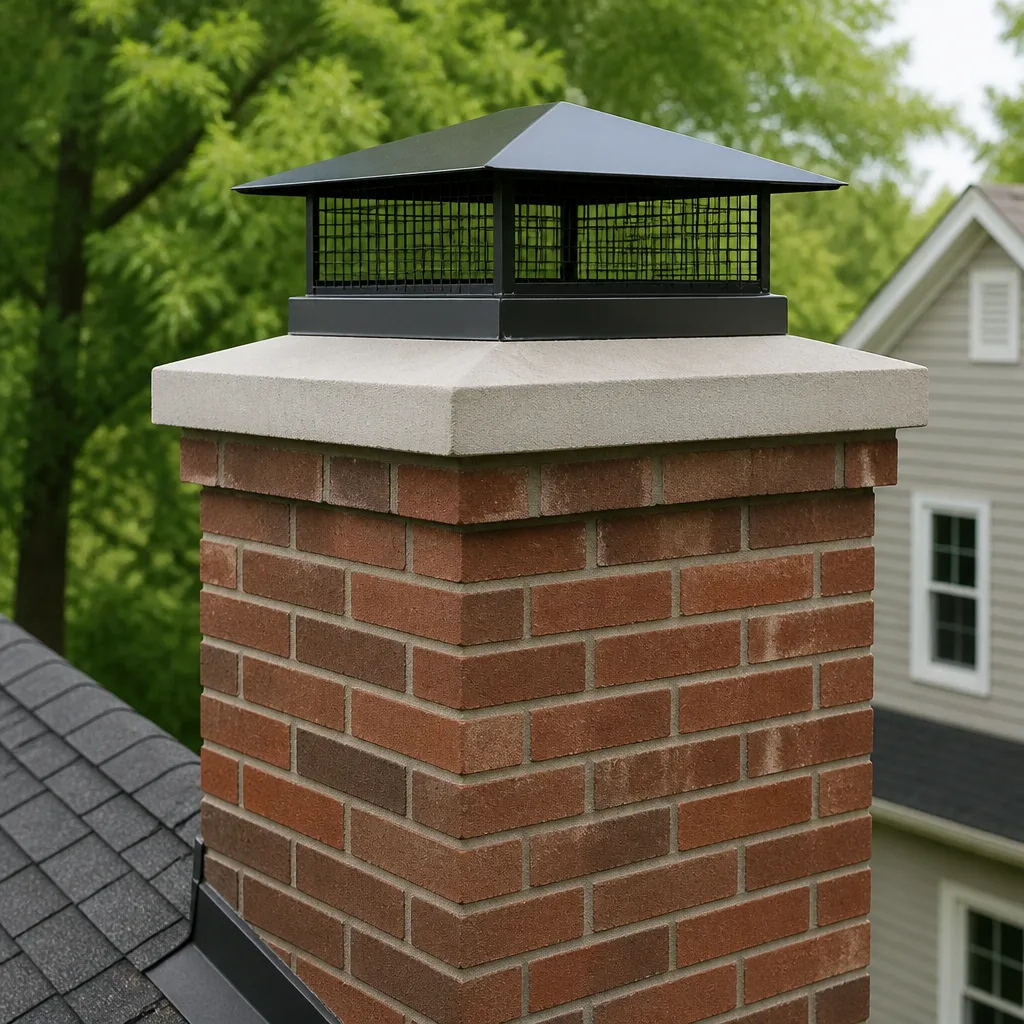 Caps & crowns
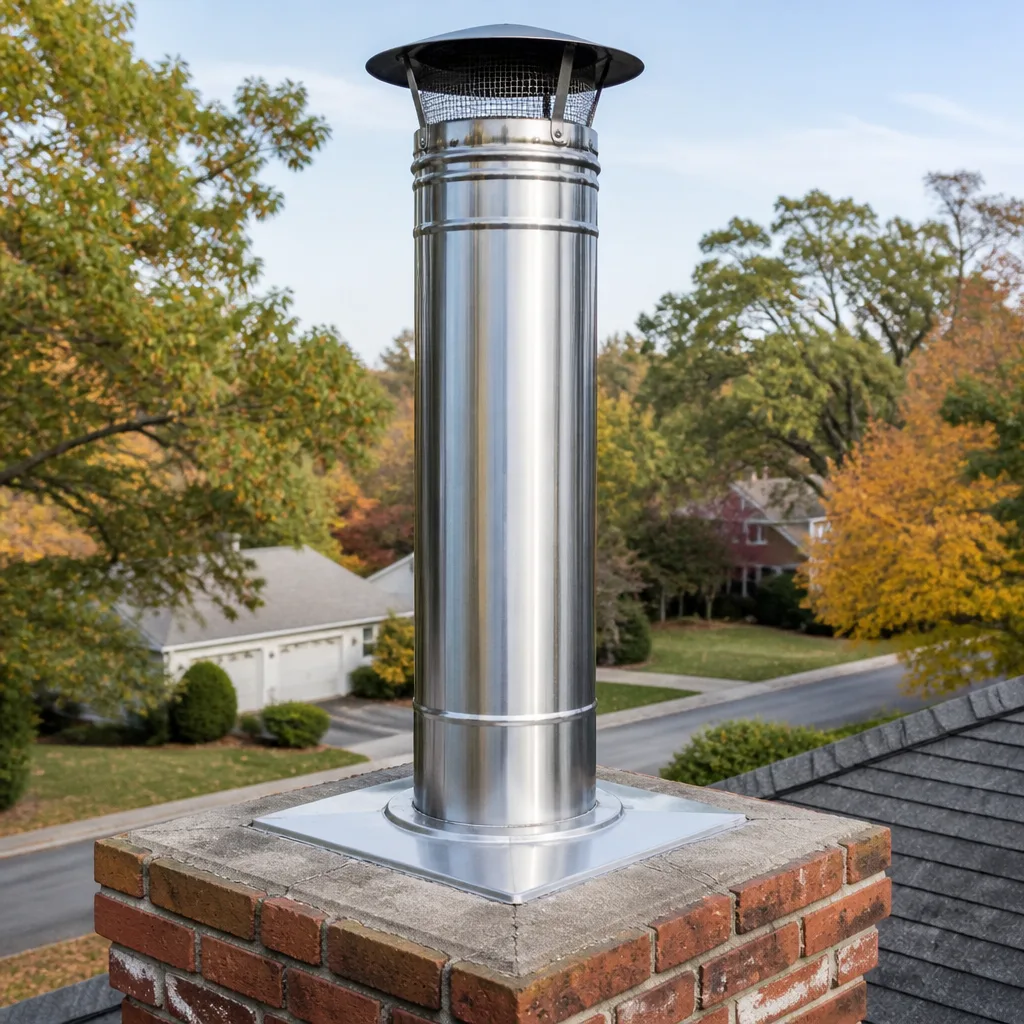 Flue relining
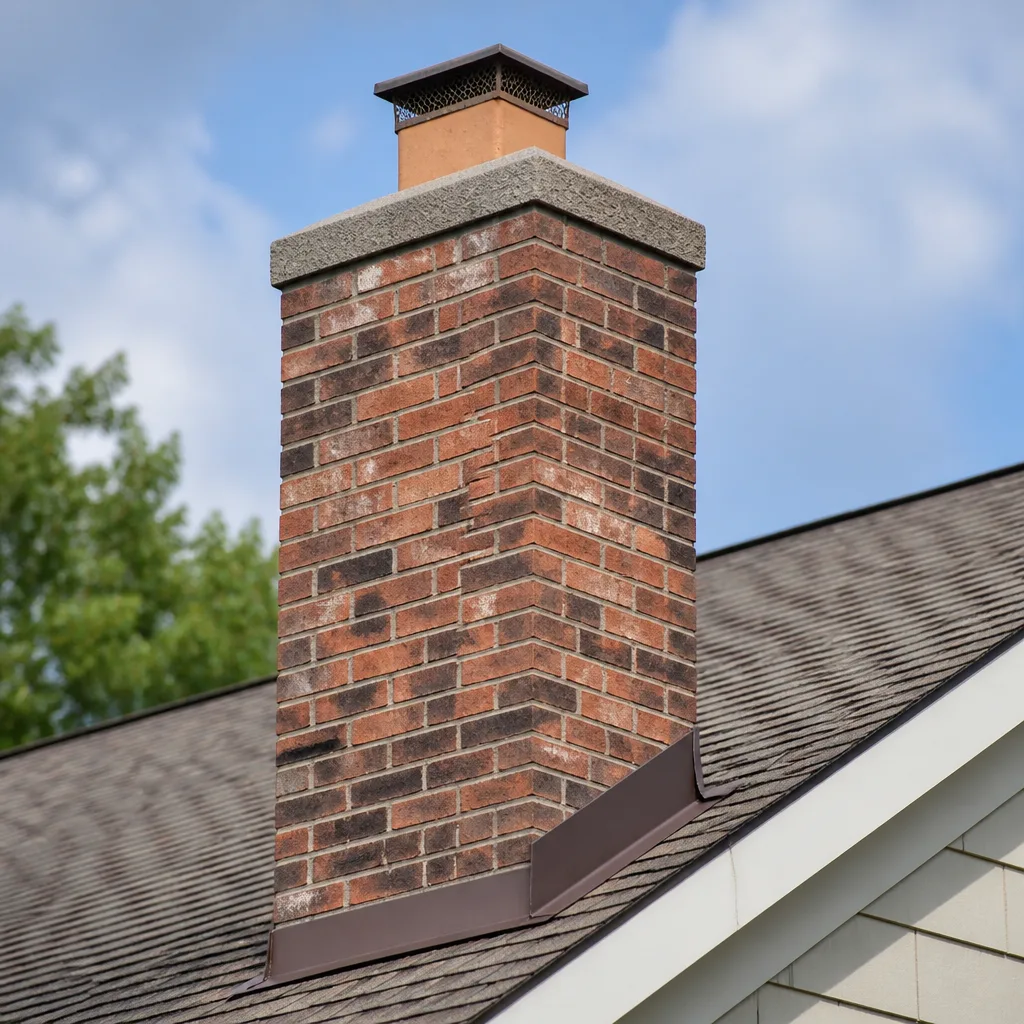 Masonry repair
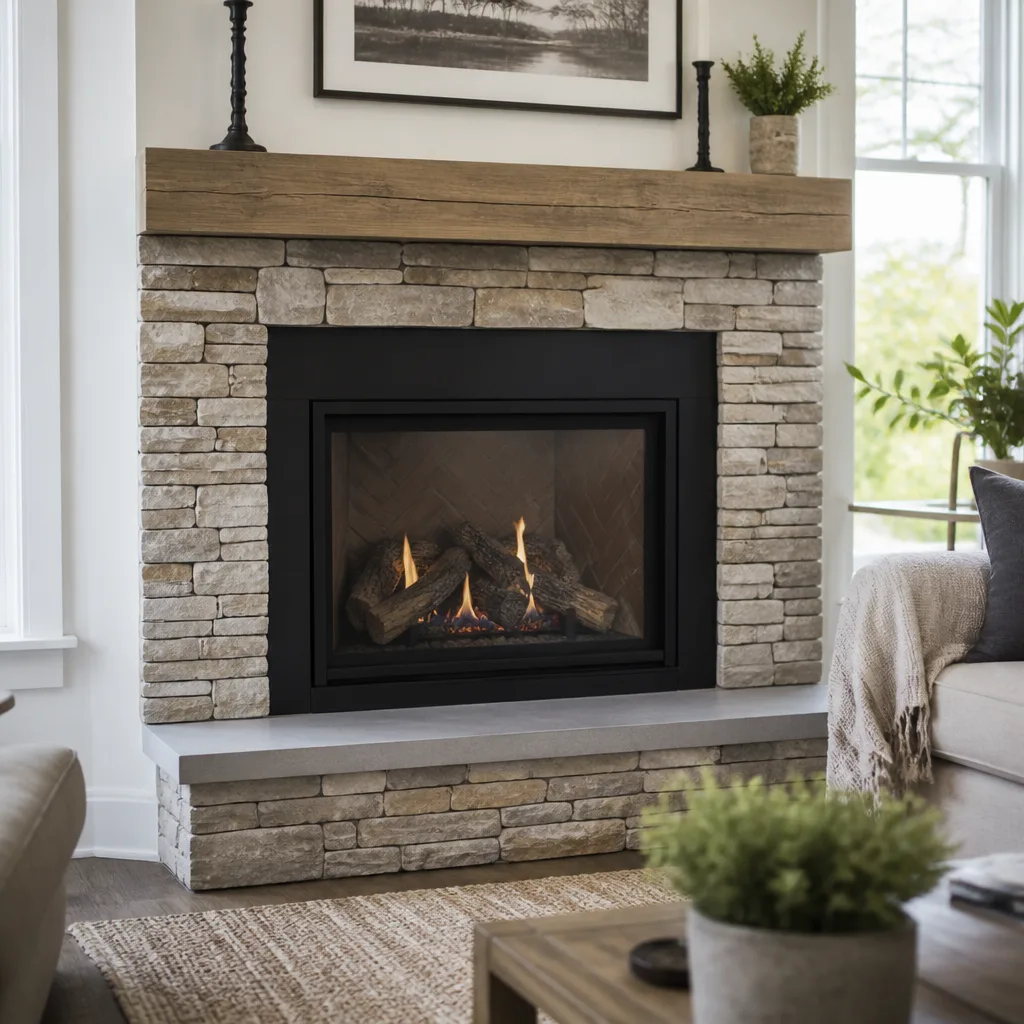 Gas fireplace service
Level 1 sweep and inspection to the NFPA 211 annual standard - flue, crown, cap, and flashing checked and photographed
Chimney sweep logs do not sweep chimneys. They loosen some creosote - which then falls where a brush and vacuum still have to collect it.
Chimney Sweep Maintenance Checklist for Fort Myers Homeowners
If your maintenance checklist doesn’t include “check for wasp nests in the smoke chamber” and “inspect the cap for wind damage after named storms,” it was written for a homeowner in Ohio. Most chimney advice floating around online assumes snow, ice, and a long idle winter. Fort Myers doesn’t work that way. Here, your chimney sits through humid summers, heavy rain, tropical systems, and a shorter but very real burn season. That changes what actually matters. In this guide, we’ll walk through a checklist built for Fort Myers homes specifically: what to do before the first fire of the year, what to check after a storm, what you can watch yourself each month with no tools, and what genuinely needs a trained technician. You’ll also see why your dryer vent belongs on the same annual schedule.
Quick Answer
A chimney maintenance checklist for Fort Myers homeowners should cover three things: a September-October pre-season inspection of the cap, damper, and liner; a post-storm check after any tropical system for crown cracking, cap displacement, and debris in the firebox; and one annual professional sweep that includes a camera scan of the flue and a dryer vent cleaning on the same visit. Monthly passive checks (odor, draft, exterior mortar) fill the gaps between professional visits. Your technician should have up to 9 years of experience and use professional-grade materials, not hardware-store substitutes.
Styles & brands we work with
- Sweep & inspection
- Caps & crowns
- Flue relining
- Masonry repair
- Gas fireplace service
Table of Contents
- Pre-Season Checklist: What to Do Before Your First Fire
- Post-Storm Checklist: What to Check After a Tropical System
- Monthly Passive Checks: What You Can Do Without Tools
- Annual Professional Tasks You Can’t Do Yourself
- Your Dryer Vent Belongs on the Same Annual Visit
- The Liner Matters as Much as the Sweep
- When to Schedule Your Annual Service in Fort Myers
- Common Mistakes to Avoid
Pre-Season Checklist: What to Do Before Your First Fire
The best window for a pre-season chimney visit in Fort Myers is September through October, before the first cool evening you’d want a fire. Booking early means any repair that turns up can be handled before you need the fireplace, and it gives you a chance to fix a problem while the weather is still cooperative. Here’s what should be on your list before you light that first fire.
- Cap integrity. Look at the chimney cap from the ground with binoculars. The cap keeps rain, birds, squirrels, and wasps out of the flue. A cracked or loose cap in Southwest Florida is an open invitation for wildlife, and a damaged cap lets water straight into the flue.
- Damper operation. Open and close the damper by hand. It should move freely and seat fully. A damper that sticks open wastes conditioned air all summer and lets humid air into the firebox year round.
- Liner visual check. From inside the firebox, look up with a flashlight. You won’t see the whole flue, but you’ll spot obvious gaps, heavy creosote flaking, or debris that shouldn’t be there.
- Firebox and smoke chamber. Check for cracked mortar joints, loose brick, or wasp or bird nests in the smoke chamber. This is a spot most generic checklists skip and most Fort Myers homeowners discover the hard way.
- Creosote level. If you can see more than a thin glaze of creosote on the flue walls, stop. That’s the point where a professional sweep is due before you burn again.
- Exterior mortar scan. Walk the outside of the chimney and look for missing mortar, spalling brick, or a crack running across the crown. This is the time to catch small damage before the rainy season stresses it further.
Any one item you can’t verify safely, note it and have a professional check it. When you’re ready to schedule, our chimney sweep service includes a full inspection with a camera scan of the liner so nothing is left to guesswork.
Post-Storm Checklist: What to Check After a Tropical System
After any named storm or heavy tropical system moves through Fort Myers, your chimney deserves a specific check that a generic maintenance guide won’t mention. High wind and driving rain do things to a chimney that quiet weather never will. Run through these items within a few days of the storm passing.
- Crown wash cracking. Water running off the cap can wash out the crown over time, especially after a storm dumps inches of rain. Look for a crack, a soft spot, or a section of the crown that’s pulled away from the flue.
- Cap displacement. Wind is the number one cause of a loose or shifted chimney cap. If the cap is tilted, missing a corner, or sitting crooked, it needs to be reset or replaced. We stock Gelco chimney caps so this is often a same-visit fix.
- Debris in the firebox. Storms push leaves, twigs, and grit into the flue. Open the damper and look up, then check the firebox floor for anything that fell through.
- Water staining or moisture. Check the firebox and the ceiling of the smoke chamber for fresh water streaks. Rain infiltration after a storm often points to a flashing, crown, or cap problem.
- Liner movement. If your flue has a flexible liner, a major storm can shift or damage the top connection. A quick look at the top of the liner from the roof edge or with binoculars will tell you whether a technician needs to inspect it.
Nothing here is meant to send you up on the roof in bad conditions. Use binoculars from the ground and a flashlight inside. If anything looks off, call a professional. Working on a roof or opening up flue components after a storm is not a safe DIY project.
Monthly Passive Checks: What You Can Do Without Tools
Between professional visits, you can keep an eye on your chimney with no tools and no ladder. These are the checks that catch developing problems early, the ones that separate a minor fix from a major repair. Set a reminder once a month and run through them in a few minutes.
- Odor detection. A strong, sour, or smoky smell from the firebox when the fireplace is cold is a sign of creosote buildup, moisture, or a draft problem. In Fort Myers humidity, a small amount of flue odor in the off-season is common, but a persistent or worsening smell should be checked.
- Draft testing. On a cool morning, light a small piece of newspaper in the firebox with the damper open. If the smoke rises cleanly up the flue, your draft is working. If it rolls back into the room, you have a draft problem to investigate.
- Exterior mortar visual scan. From the ground, look at the mortar joints on the outside of the chimney. Crumbling or missing mortar shows up fast, and catching it early avoids a bigger rebuild later.
- Cap and screen. Confirm the cap and spark screen are still in place with no sagging or tears. This is your first defense against wildlife in Fort Myers, where birds and wasps find an open flue quickly.
These passive checks are about awareness, not repair. If you spot something, note the location and mention it when you book your annual sweep. A good technician will go straight to it.
Annual Professional Tasks You Can’t Do Yourself
Some parts of chimney maintenance require a trained technician with the right tools. These aren’t upsells, they’re the parts of the checklist that actually protect your home from creosote fire and carbon monoxide risk. Here’s what a proper annual professional visit covers in Fort Myers.
- Rotary brush cleaning. A rotary brush system cleans the flue walls more thoroughly than a hand brush, removing glazed creosote that builds up and won’t budge with a simple sweep. That glazed layer is the fuel for a chimney fire.
- Smoke chamber parging inspection. The smoke chamber above the damper is a common weak spot. We check the parging for cracks and gaps; if it needs repair, HeatShield ceramic resurfacer can seal it without tearing the chimney apart.
- Liner camera scan. A camera scan of the full flue shows us cracks, gaps, or deterioration you can’t see from the firebox. This is how a liner problem gets caught before it becomes a carbon monoxide hazard.
- Cap, crown, and flashing check. We inspect and, where needed, replace a cap or repair the crown. We keep Gelco chimney caps and Famco venting components on hand for these fixes.
- Dryer vent cleaning. Covered in the next section, but it belongs in the same visit for a reason.
If a liner does turn out to be damaged, we don’t jump straight to full replacement. A HeatShield restoration can often resurface a damaged flue at far less cost and disruption than tearing out and rebuilding. That’s the difference between professional-grade repair and a generalist who only sweeps.
Your Dryer Vent Belongs on the Same Annual Visit
Most homeowners don’t think of the dryer vent as part of chimney maintenance. We do, because it’s the same category of fire risk: lint buildup in a vent is a leading cause of home fires, and the fix is the same kind of regular cleaning. The check is simple and the stakes are high. If you’re already booking a chimney sweep, adding a dryer vent cleaning on the same visit saves you a second appointment and covers two fire risks in one call.
Here’s why it matters more in Fort Myers than in a cooler climate. The dryer runs year round, and lint accumulates just as fast in the heat. A clogged vent forces the dryer to work harder, which raises the risk of a lint fire and can trip the safety cutoff. A professional cleaning clears the full run from the dryer to the exterior vent, not just the flexible hose. If the vent has a long or complex path, a camera inspection confirms it’s actually clear after cleaning.
Bundling the two on one annual visit means one call, one technician, and one documented service for your records. For property managers and landlords, that documentation is worth having on file for liability and insurance purposes. When we’re already on the roof checking the cap, cleaning the vent takes minutes more.
The Liner Matters as Much as the Sweep
A clean flue is only half the job. The liner, the pipe or clay tile that carries exhaust up and out, is what actually keeps carbon monoxide and heat inside the chimney where they belong. In Fort Myers, where a broad mix of older and newer homes means a broad mix of liner conditions, the liner is often the part that’s been ignored the longest. When our Fort Myers Chimney Sweep team does a sweep, we scan the liner as part of the visit, and if we find a problem, we tell you exactly what we found and show you the camera evidence.
Two things come up most often. First, clay tile liners crack and spall over time, especially with storm stress and moisture. A cracked tile liner lets heat and gases into the framing. Second, some flues have offsets or bends that can’t be reached with a rigid liner. For those, we install DuraFlex flexible liner systems, which navigate a complex flue where a rigid pipe won’t. For a flue that’s damaged but still structurally sound, HeatShield ceramic flue resurfacer can restore it in place, sealing cracks without a full teardown.
Both are professional-grade materials sourced through trade suppliers like Olympia Chimney and Copperfield, the same suppliers certified chimney inspectors rely on. That matters, because a liner installed with the wrong material or sized poorly is worse than no upgrade at all. If a technician recommends a liner, ask to see the camera scan, and ask which material and system they’re proposing. A straight answer with evidence is what you should expect. If the technician can’t show you the problem, you don’t have to act on it.
When to Schedule Your Annual Service in Fort Myers
The best time to book your annual chimney service in Fort Myers is late summer to early fall, before burning season, so any repair is complete before you need the fireplace. The second best time is after storm season, when a post-storm check is warranted. Either way, the goal is to have the heavy work done before cold weather and before the rainy season stresses anything else.
Here’s a rough annual rhythm that works for most Fort Myers homes:
- Late summer (August-September). Book your professional sweep, liner camera scan, and dryer vent cleaning. Any repairs get handled before the first fire.
- Early fall (September-October). Run your pre-season homeowner checklist: cap, damper, firebox, exterior mortar.
- Monthly. Passive odor, draft, and mortar checks.
- After any named storm. Post-storm checklist: crown, cap, debris, water staining.
If you burn more than a cord of wood a year, or you rely on a gas appliance, have it serviced on schedule rather than waiting until something looks wrong. Call (844) 834-3136 to book. We answer 24/7. Fast dispatch from 7am to 7pm, Sunday through Friday. Our technicians have up to 9 years of experience, and estimates are free.
Common Mistakes to Avoid
- Skipping the post-storm check. Fort Myers homeowners who only look at the chimney once a year miss the storm damage that happens in between. A loose cap or cracked crown after a tropical system is far easier to fix when it’s caught early.
- Burning unseasoned wood. Green or wet wood creates heavy creosote. Dry, seasoned hardwood burns cleaner and leaves less buildup in the flue, which is the whole point of the sweep.
- Ignoring a new or odd smell. A persistent smoky or sour smell from the firebox is not normal. It’s an early sign of a draft or liner issue, and it should be checked before you burn again.
- Thinking a cap is optional. In a climate with wildlife and heavy rain, a missing or damaged cap is a direct route to birds, wasps, and water in the flue. A replacement Gelco cap is a small fix compared to what gets in without one.
- Cleaning only the firebox, not the flue. A cosmetic firebox cleanup does nothing for the creosote lining the flue walls. Real cleaning means a rotary brush down the full run and a camera scan.
- Separating the dryer vent from the chimney visit. Two service calls when one would do, and the dryer vent is the same category of fire risk. Bundle it and stop thinking about it for the year.
- Believing a generalist replaces a specialist. A handyman who sweeps chimneys on the side won’t have the liner materials, camera equipment, or knowledge of a complex flue. Professional-grade repair uses professional-grade materials, not hardware-store substitutes.
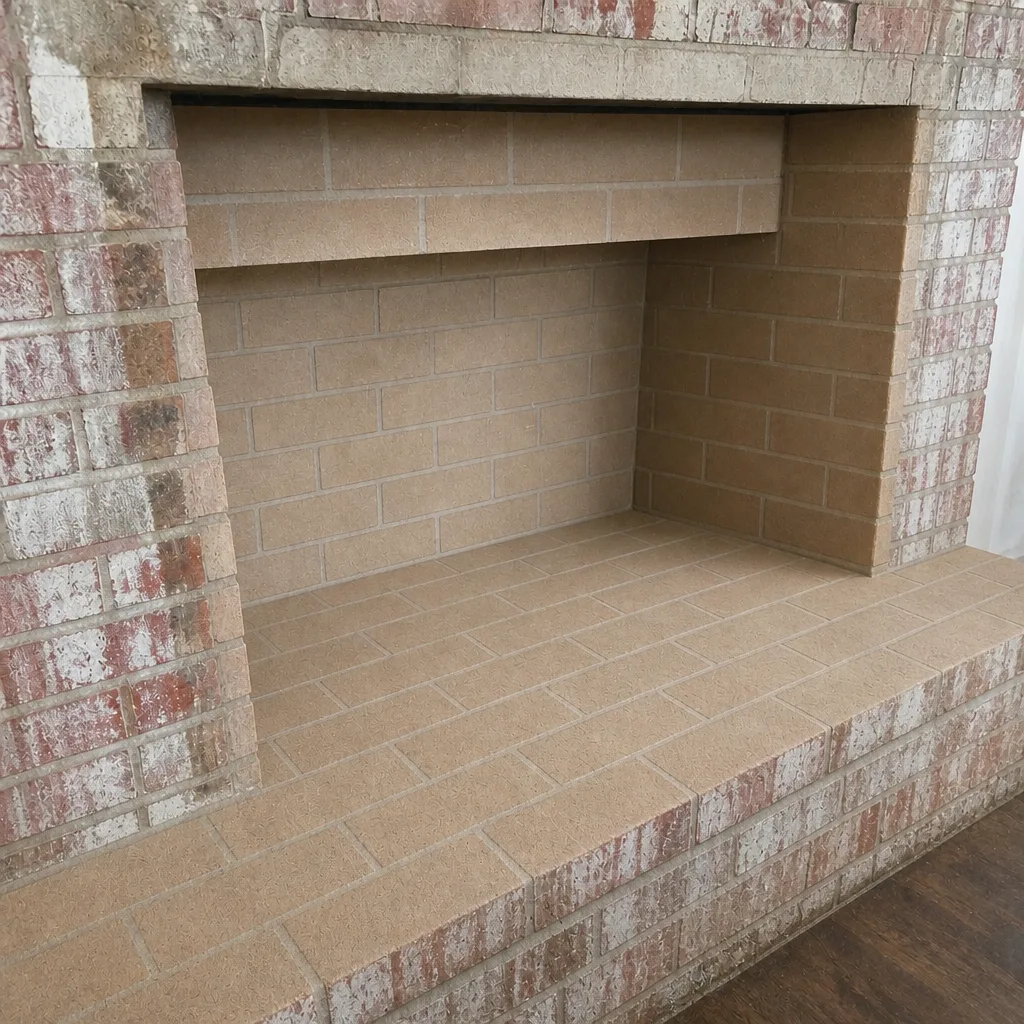
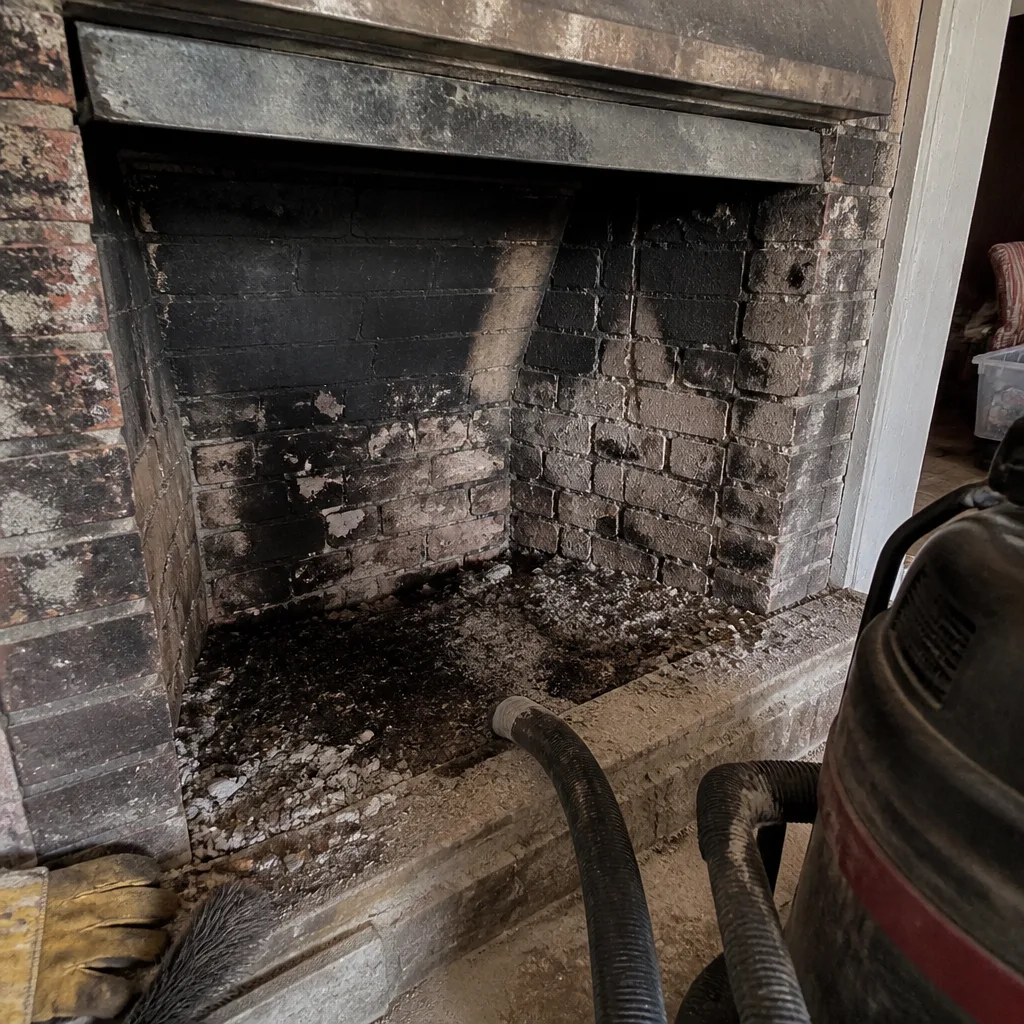
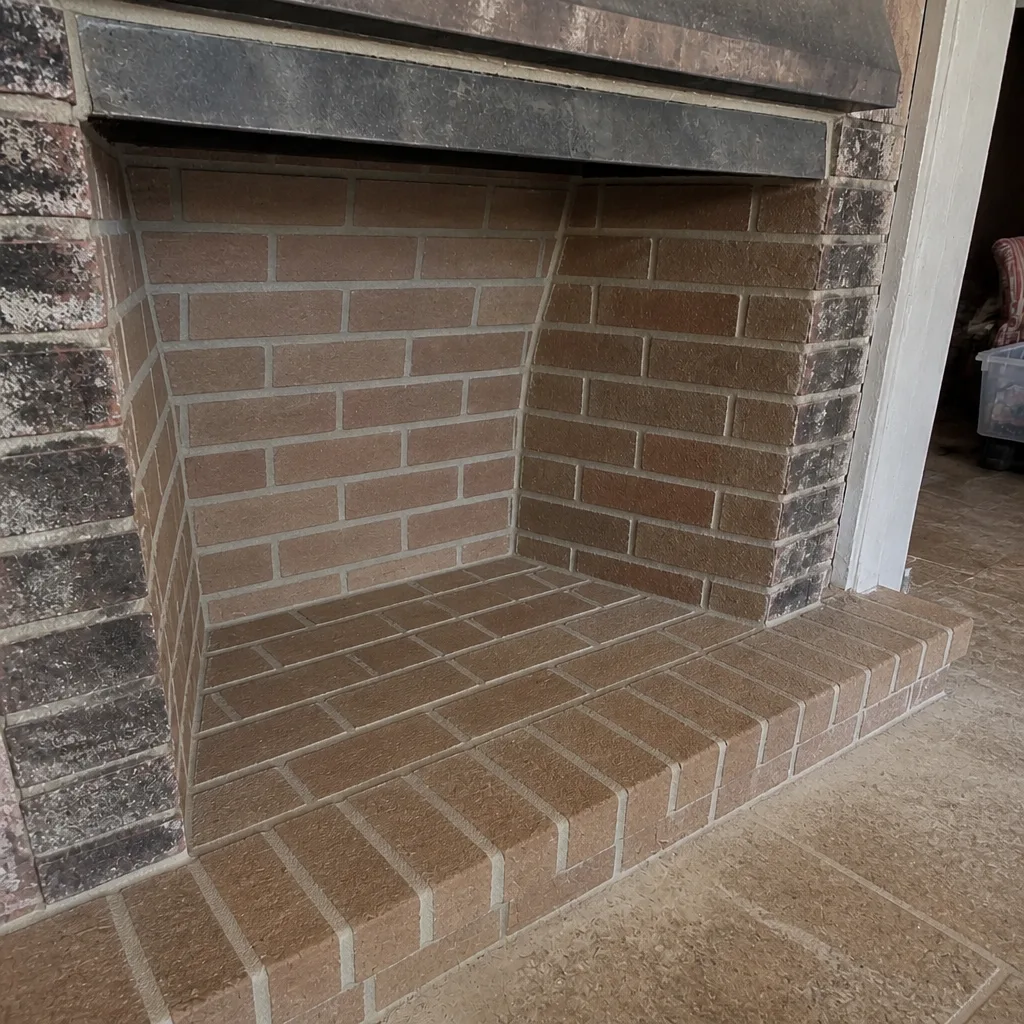
See the difference
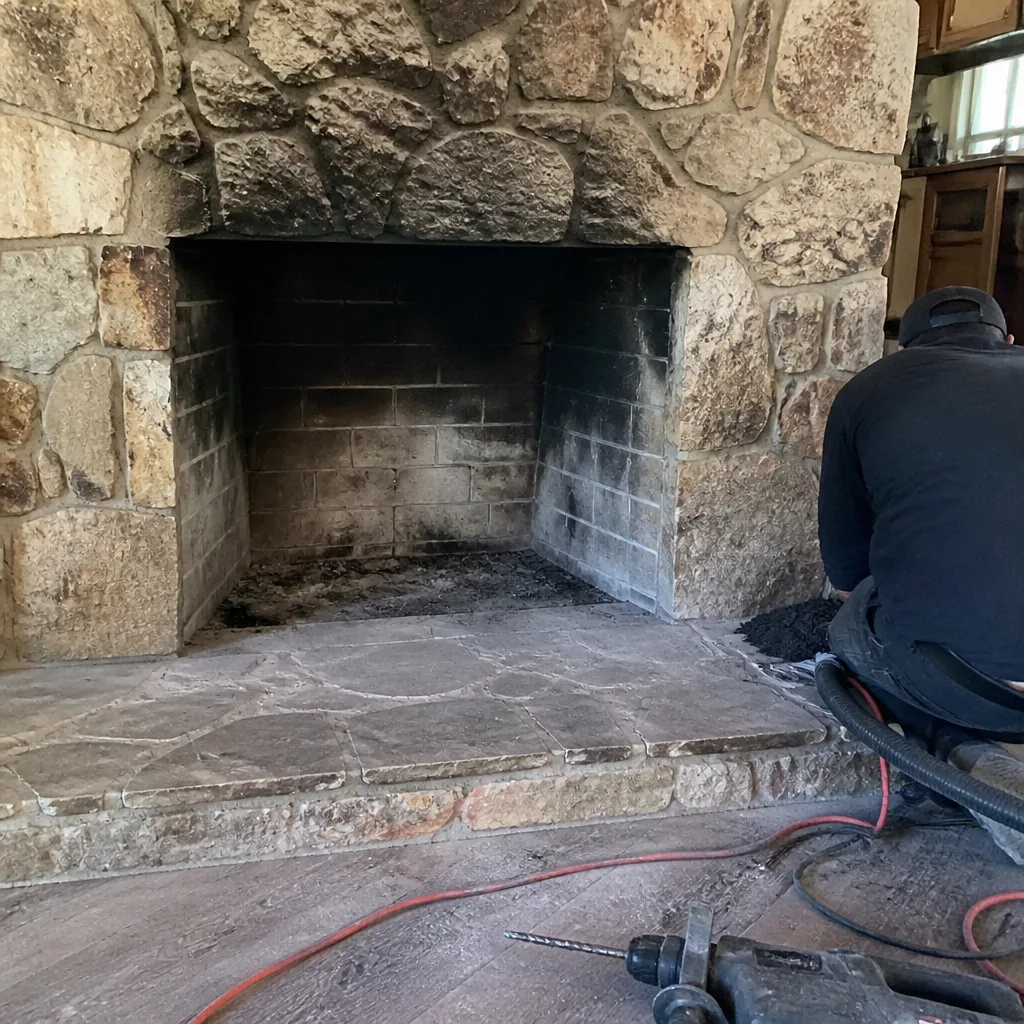 Before
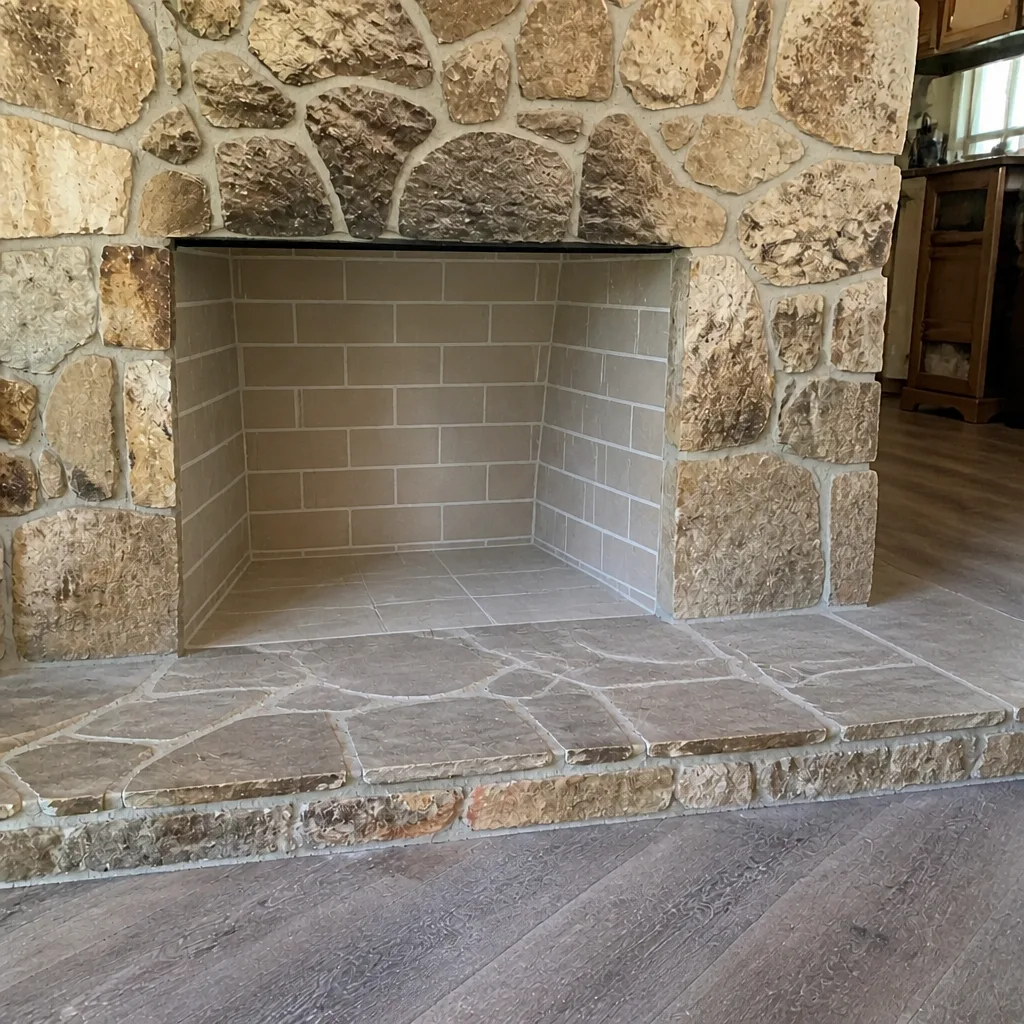 After
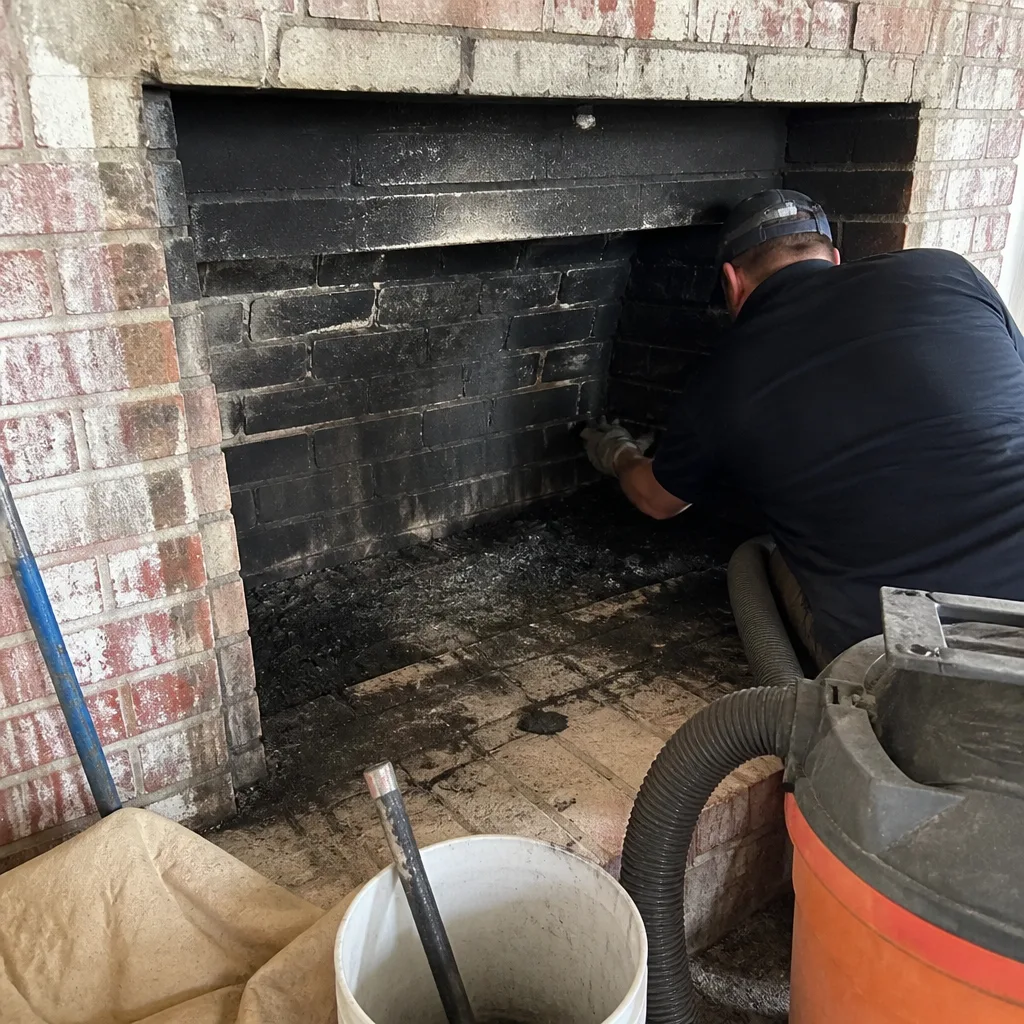 Before
 After
 Before
 After
When to Call a Professional
Call a professional if you see creosote buildup beyond a thin glaze, if you smell a persistent smoky or sour odor, if the cap or crown shows any damage after a storm, if the damper won’t open or close fully, or if you’ve never had the liner camera-scanned. Those last two are the ones Fort Myers homeowners put off the longest, and they’re the ones with the most at stake for carbon monoxide safety. A trained technician with sweep, repair, and dryer vent capability can handle all of it in one visit, and there’s no reason to guess. Fort Myers Chimney Sweep offers free estimates in Fort Myers; call (844) 834-3136. We answer 24/7. Fast dispatch from 7am to 7pm, Sunday through Friday.
One more thing on safety: if a technician ever recommends a repair, ask to see the camera scan or the photo evidence. Nothing should be recommended that you can’t see for yourself, and some maintenance genuinely can wait until the next season. A good technician will tell you the difference.
Frequently Asked Questions
Sweep a wood-burning chimney at least once a year, and more often if you burn more than a cord of wood or see heavy creosote. In Fort Myers, the annual pre-season sweep before burning season is the standard, plus a post-storm check after any tropical system. A gas appliance chimney should be inspected annually as well. Call (844) 834-3136 for an exact quote; estimates are free.
Not always. A camera scan is what decides that, not a guess. If the flue is damaged but structurally sound, HeatShield ceramic resurfacer can often restore it in place at far less cost than a full liner replacement. A full reline is needed when the flue can’t be safely restored. Ask to see the camera evidence before you agree to anything. Call (844) 834-3136 for an exact quote; estimates are free.
Creosote keeps building on the flue walls, and glazed creosote is the fuel for a chimney fire. A damaged liner also lets carbon monoxide and heat escape into the framing. Skipping the sweep doesn’t cause an immediate problem, but it removes the one check that catches those risks early. Call (844) 834-3136 for an exact quote; estimates are free.
Yes, when it makes sense to combine them. Lint buildup in the dryer vent is a leading cause of home fires, and it’s the same category of risk as a dirty flue. Cleaning both on one visit means one appointment and two fire risks handled together. Call (844) 834-3136 for an exact quote; estimates are free.
Look for a cracked or washed-out crown, a loose or tilted cap, debris in the firebox, and water staining inside the smoke chamber. Use binoculars from the ground and a flashlight inside. Don’t go on the roof. If anything looks off, have a technician check it before you burn. Call (844) 834-3136 for an exact quote; estimates are free.
Yes, for passive items only. Odor, draft (a small test fire of newspaper), and an exterior mortar scan from the ground are safe to do yourself. Anything that involves the flue interior, the cap, or the roof needs a trained technician with the right equipment. Call (844) 834-3136 for an exact quote; estimates are free.
The Bottom Line
A chimney maintenance checklist that works for Fort Myers isn’t the same one written for a cold-climate homeowner. It’s built around a pre-season inspection before burning season, a post-storm check after every tropical system, monthly passive checks you can do without tools, and one annual professional visit that covers the sweep, the liner camera scan, and best of all, the dryer vent. Getting the liner inspected as part of the sweep is what turns a cleaning call into a real repair when one is needed, and HeatShield and DuraFlex are the professional-grade tools that make it possible without a full teardown. Book before the first fire, keep an eye out after every storm, and call (844) 834-3136 for a free estimate. We answer 24/7. Fast dispatch from 7am to 7pm, Sunday through Friday.
Written by the team at Fort Myers Chimney Sweep.