
Last updated November 15, 2026
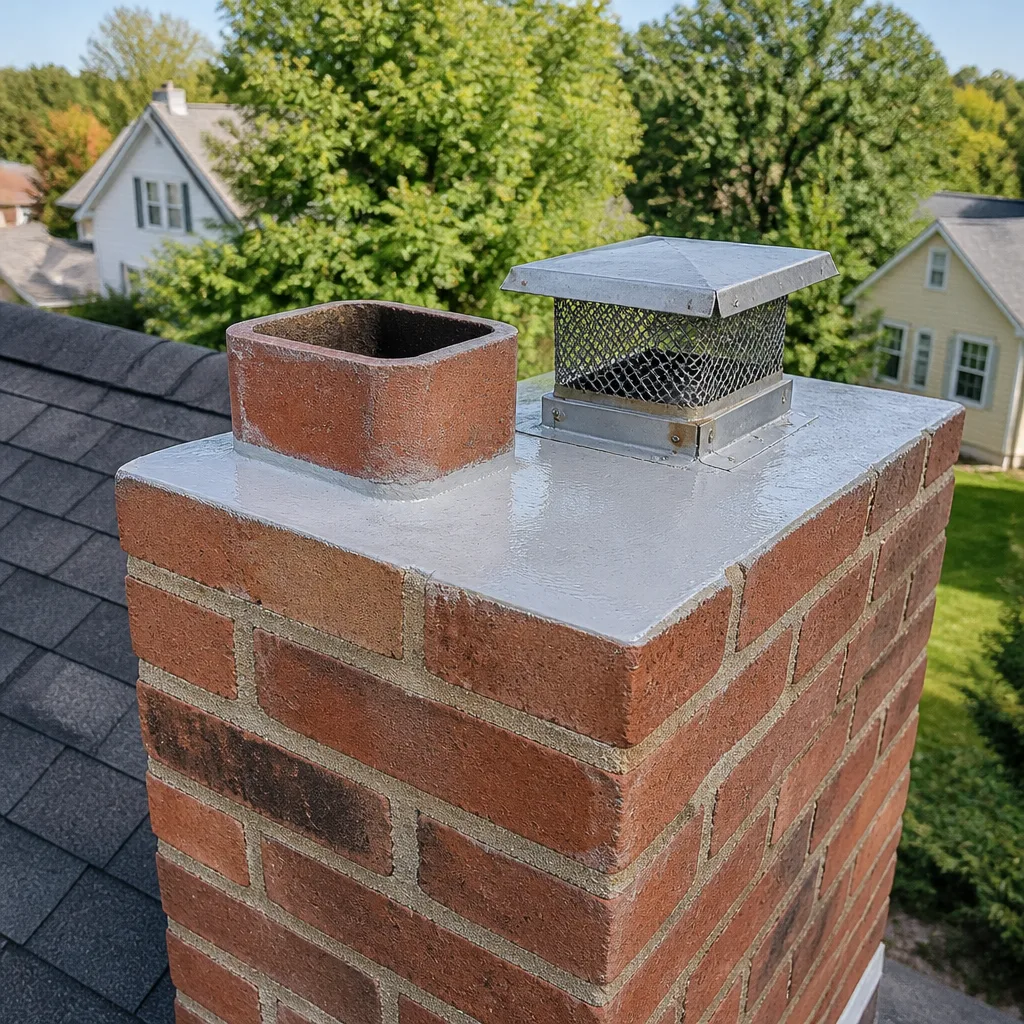 Sweep & inspection
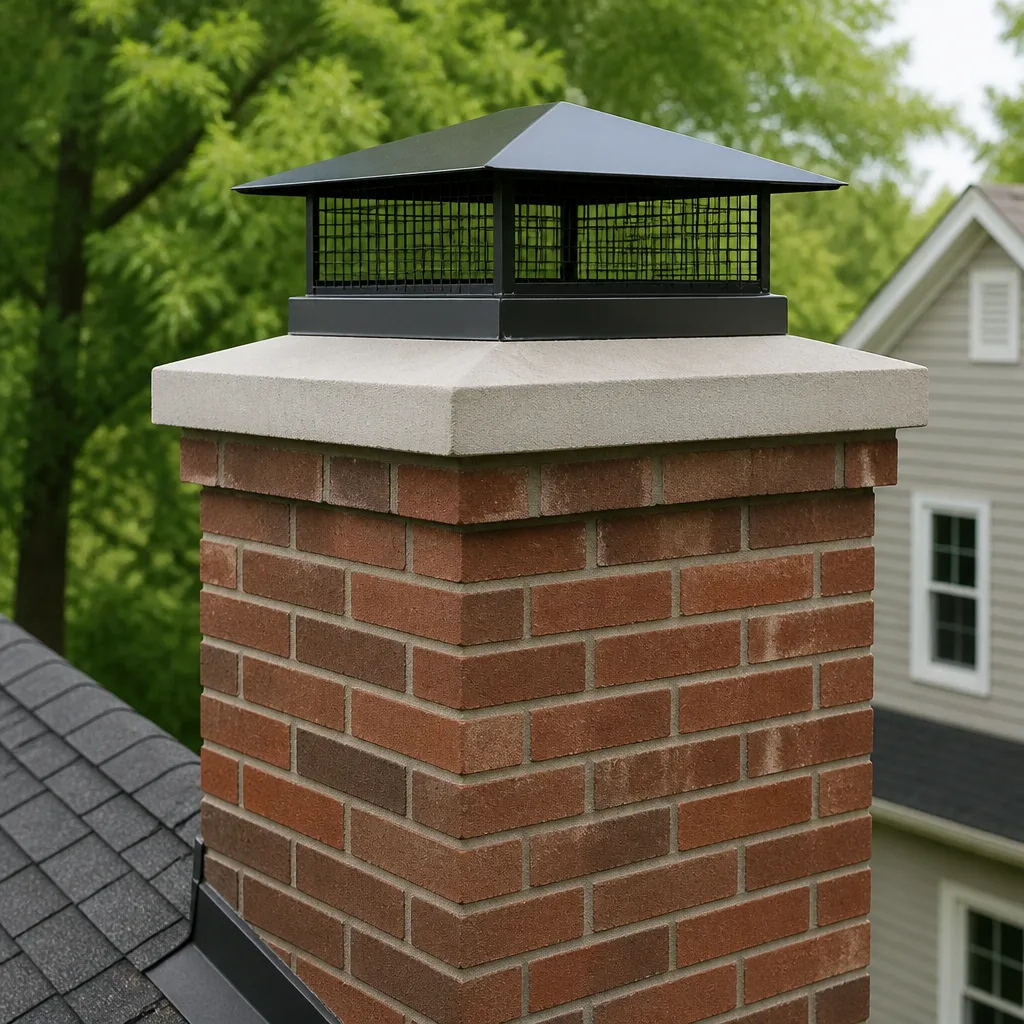 Caps & crowns
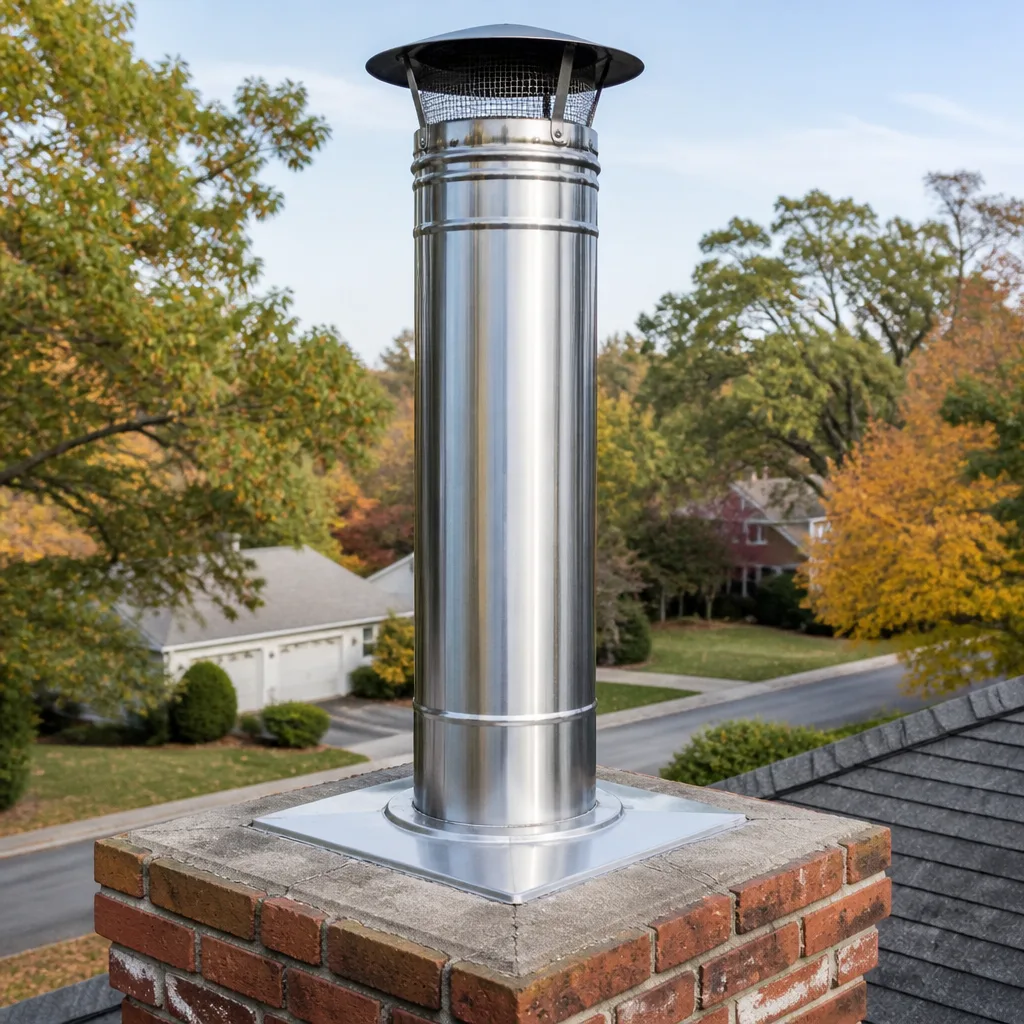 Flue relining
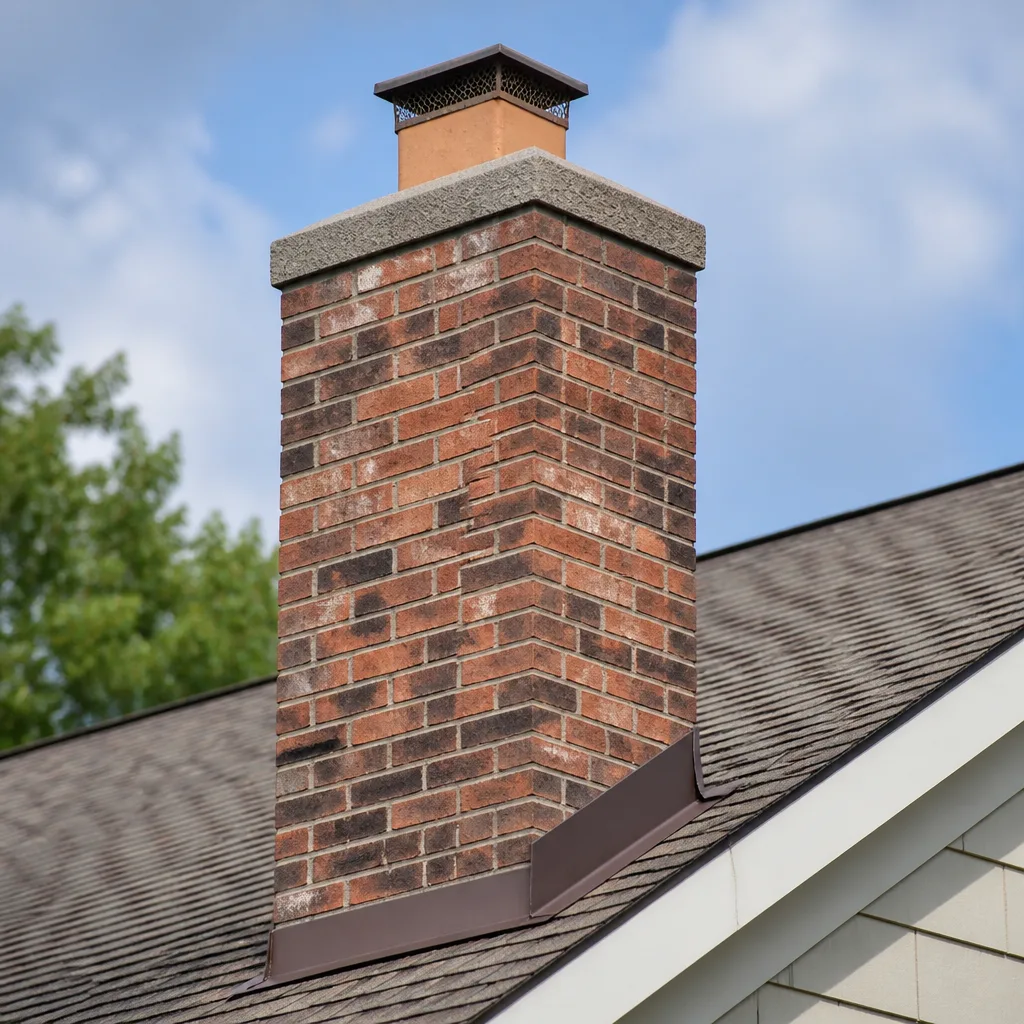 Masonry repair
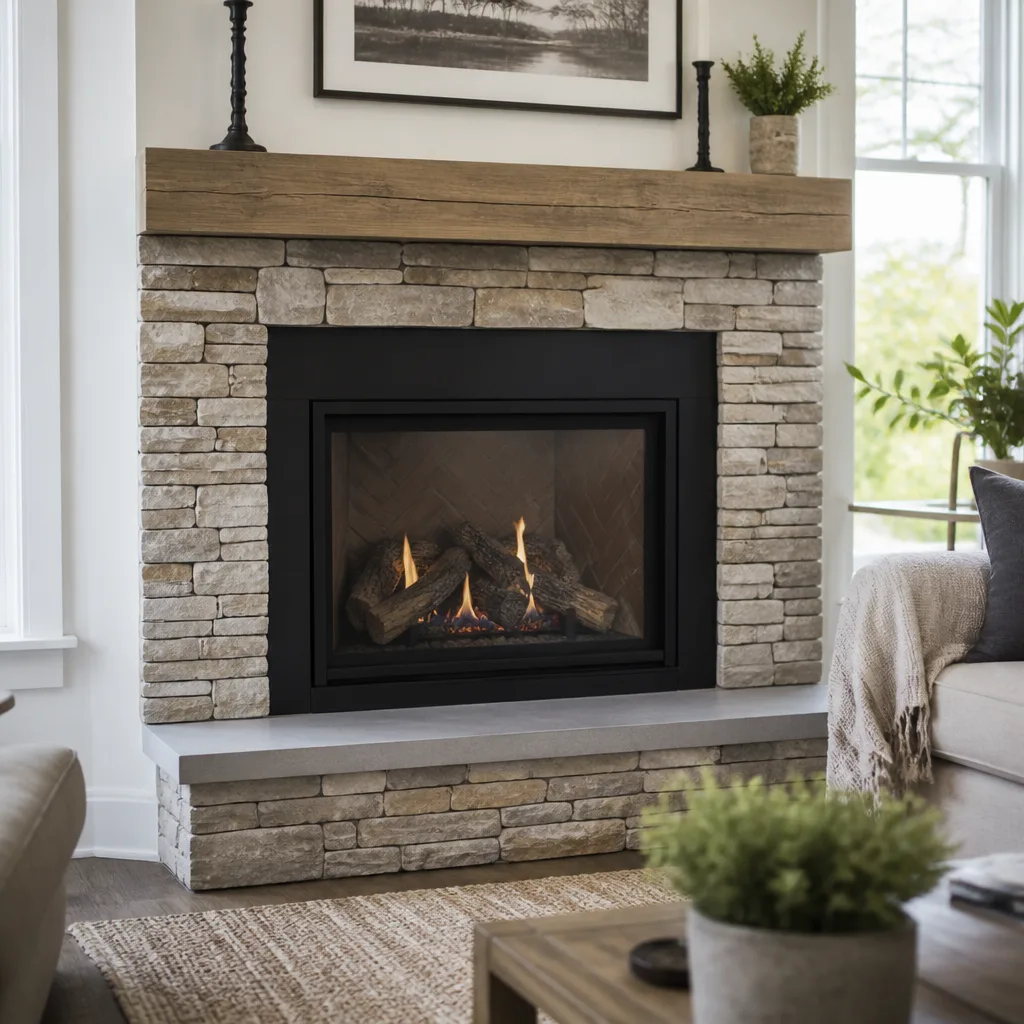 Gas fireplace service
Level 1 sweep and inspection to the NFPA 211 annual standard - flue, crown, cap, and flashing checked and photographed
Chimney sweep logs do not sweep chimneys. They loosen some creosote - which then falls where a brush and vacuum still have to collect it.
Chimney Cleaning Permits, Codes & Inspections in Fort Myers, FL: What You Need to Know
Here’s the line most homeowners never hear until it costs them: a routine chimney cleaning in Fort Myers needs no permit at all, but the moment a technician touches the liner, rebuilds the crown, or opens up the firebox structure, you’ve crossed into Florida Building Code territory and Lee County permitting. Sweeping is maintenance. Relining is construction. Those two things live under completely different rules, and the gap between them is where unpermitted work gets installed, never inspected, and then surfaces years later during a home sale. This guide walks you through exactly where that line sits, what Florida Building Code Chapter 10 actually requires, how permit closeout inspections differ from an NFPA 211 Level 2 inspection, what grandfathering means for older clay tile flues around Fort Myers, and how to verify work that was done before you owned the house.
Quick Answer
Routine chimney cleaning in Fort Myers does not require a permit. Any structural work on the chimney, though, does: relining, liner replacement, crown repair or rebuild, firebox or masonry reconstruction, and chimney demolition all fall under Florida Building Code Chapter 10 and require a permit pulled through Lee County. A permit closeout inspection is not the same as an NFPA 211 Level 2 inspection, and neither one substitutes for the other.
Styles & brands we work with
- Sweep & inspection
- Caps & crowns
- Flue relining
- Masonry repair
- Gas fireplace service
Table of Contents
- Where cleaning ends and permitting begins
- What Florida Building Code Chapter 10 says about chimneys
- How permitting works in Lee County
- Code inspection vs. NFPA 211 Level 2: two different jobs
- Grandfathering and older Fort Myers homes with clay tile liners
- What unpermitted chimney work does to a home sale
- How to verify a permit was pulled for past work
- Common mistakes to avoid
Where Cleaning Ends and Permitting Begins
The cleanest way to think about it: if the work removes creosote, it’s maintenance. If the work changes, replaces or repairs the structure that carries smoke and fire out of your house, it’s construction, and construction needs a permit in Lee County.
On the maintenance side, no permit is required in Fort Myers for:
- Sweeping the flue to remove creosote and soot
- A visual Level 1 inspection during a routine cleaning
- Removing a bird nest, debris or a raccoon from the flue
- Cleaning a chimney cap of soot or leaf litter
- Cleaning a dryer vent (a separate system, and one of the more overlooked fire risks in any home)
On the construction side, a permit is required for:
- Installing a new stainless steel liner or replacing an existing one
- Resurfacing a damaged flue with a cast-in-place ceramic product such as HeatShield
- Rebuilding or replacing a chimney crown
- Repairing or rebuilding firebox masonry
- Removing or demolishing any part of the chimney structure
- Changing the type of appliance vented through the flue
That middle category is where things go wrong. A homeowner calls for a chimney sweep, the technician finds a cracked flue tile, and the visit turns into a liner quote. Whether that liner gets permitted and inspected is the whole ballgame. In our experience, the honest answer for most homeowners is that they had no idea the sweep was allowed but the repair wasn’t. Nobody explains this to them, and the contractor who skips the permit has an incentive not to.
One caution that belongs here: the inside of a flue and the top of a chimney are dangerous places. A deteriorated clay tile liner can be loose and ready to fall, and a masonry chimney above roofline is a fall hazard. Inspections and repairs belong to a trained professional, not to a homeowner with a ladder and a shop vac. We’re describing how the work is categorized here, not how to do it.
What Florida Building Code Chapter 10 Says About Chimneys
Florida Building Code Chapter 10, “Chimneys and Fireplaces,” sets the construction standards for chimneys and fireplaces in this state. It’s the reference the county’s building department uses when it reviews a chimney permit and the reference an inspector uses when signing one off. Two points from that chapter matter most to Fort Myers homeowners: liner integrity standards and the enforcement mechanism.
The code doesn’t just say “have a liner.” It requires that a chimney flue be lined with an approved material that’s continuous, properly sized to the appliance, and in sound condition, and it treats a damaged or missing liner as a defect that has to be corrected before the chimney is used. When a flue fails that standard, the fix is a code repair, and a code repair in Lee County requires a permit and an inspection.
- The appliance and the flue must match. A flue serving a wood-burning fireplace, a gas appliance and an oil furnace are all held to different venting requirements. If a previous owner swapped appliances without adjusting the flue, that’s a code issue.
- The liner must be continuous and sound. Cracks, gaps between tile sections and missing mortar joints are failures, not cosmetic issues.
- The termination and cap have to be right. The top of the flue needs proper termination and, practically speaking, a cap. This is where a correctly specified Fort Myers Chimney Sweep repair visit often ends: a Gelco cap installed to close the flue against rain, animals and downdrafts, on the same visit as the sweep.
- Clearances from combustibles must be maintained. Framing, sheathing and insulation need the required clearance from the chimney. This is one of the most common defects discovered during an inspection of an older chimney.
If you want the letter of the code, read Chapter 10 itself or ask the county. What we tell homeowners is simpler: sweeping is a service, relining is construction, and construction in Lee County comes with paperwork attached.
How Permitting Works in Lee County
Chimney permits in Lee County are pulled through the county’s building department under the Florida Building Code. Not every contractor can pull one. This is the part that catches homeowners, because a handyman who’ll happily install a liner may not hold the license classification that allows him to pull a chimney permit at all.
In practice, chimney structural work is permitted under the licensed contractor categories that cover the scope: a general, building or residential contractor for structural and masonry work, and a sheet metal or mechanical contractor for certain venting and appliance installations, depending on the scope. The person on your roof needs to hold the right classification for the work, and the permit needs to name that license. If a contractor tells you he “doesn’t need a permit for a reline,” that’s your signal to end the conversation.
A permitted chimney job in Fort Myers generally follows this sequence:
- Contractor applies for the permit with the county, naming the license and describing the scope (reline, crown rebuild, masonry repair).
- County reviews and issues the permit. Some scopes require plans or product documentation; a liner manufacturer’s listing often comes into play here.
- Work is performed by the licensed contractor to the permitted scope.
- Contractor calls for an inspection. The building inspector verifies the work matches the permit and the code.
- Permit is closed out. That final inspection record is what a future buyer and a future insurer will look for.
Two things about this process catch Lee County homeowners off guard. First, the closeout inspection is a code compliance check, not a performance inspection of how the chimney will actually draft and burn. Second, the paper trail is the point. That closeout record becomes the proof of legal work for the life of the house. If you’re planning work around Fort Myers, ask the contractor for the permit number before the first day on site, and get the closeout documentation when the job wraps.
Code Inspection vs. NFPA 211 Level 2: Two Different Jobs
Homeowners conflate these constantly, and the confusion causes real problems. A code inspection is a permit closeout: a building inspector confirms the work matches the permit and meets the building code. An NFPA 211 Level 2 inspection is a chimney-specific evaluation of the whole venting system, performed to the standard for chimneys, fireplaces, vents and solid fuel appliances. They serve different purposes, and neither one substitutes for the other.
Here’s the comparison laid out plainly:
- Who performs it. A code inspection is done by a county building inspector. A Level 2 inspection is done by a chimney professional following NFPA 211.
- What it covers. The code inspection covers the permitted scope: the new liner, the crown, the specific repair. A Level 2 covers the entire venting system top to bottom, including parts of the chimney not touched by the permit: the firebox, smoke chamber, damper, flue joints, clearances and connections.
- When it’s triggered. A code inspection happens when a permit is closed out. A Level 2 inspection is triggered by a change of occupancy (a home sale), an appliance change, a chimney fire, a weather event, or a visible defect.
- What document results. The code inspection produces a permit record with the county. The Level 2 produces a report from the chimney professional, often with photos, which is a document you’ll want in hand for insurance, a home sale, or your own peace of mind.
In our experience, a Fort Myers homeowner who’s had a liner installed under permit assumes that’s the end of it, and then a Level 2 inspection ahead of a home sale turns up a smoke chamber problem or a clearance defect that was never in the permit’s scope. That’s not the contractor being wrong; it’s the two inspections doing different jobs.
Level 2 is the right inspection after any chimney event, and it’s the one a buyer’s inspector will effectively perform. In short: get both, at the right times, and keep both records.
Grandfathering and Older Fort Myers Homes with Clay Tile Liners
Older homes around Fort Myers, particularly the mid-century and later neighborhoods where clay tile liners were standard, come up in every conversation about whether they must be upgraded. The short answer is: existing clay tile liners that are functionally sound and code-compliant for their appliance are generally not required to be upgraded simply because the code has moved on. Grandfathering protects an existing liner that hasn’t failed.
What changes that:
- The liner is cracked, spalling or has gaps between tile sections. Then it isn’t in sound condition, and the code repair is triggered.
- You change the appliance. A new insert, a change from wood to gas, or a new appliance vented into the existing flue typically triggers the requirement to bring the venting up to code, because the code applies to the new installation.
- You do structural work on the chimney. A rebuilt crown or masonry repair pulls in the code for the scope you’re working in.
- You sell the house. Grandfathering doesn’t stop a buyer’s inspector from flagging a damaged clay tile liner. Whether the flue “has to” be upgraded at sale and whether the buyer will insist on it are two different questions, and the second one wins in practice.
This is where a flexible liner solution earns its keep. Clay tile flues in older homes often have offsets and bends that rigid pipe can’t navigate. A DuraFlex flexible liner system, sourced through Olympia Chimney, can be pulled through those offsets and correct the flue without the masonry demolition a rigid liner would force. When a flue is scored, spalled or has mortar joints that have deteriorated but the structure itself is sound, a cast-in-place ceramic resurfacer such as HeatShield rebuilds the interior wall to a smooth, continuous surface. That choice often avoids a full reline. It is not free, and it is construction, which means it gets permitted like any other structural repair.
We’d add one honest caution: a technician who recommends a liner on every visit is recommending a construction project as if it were maintenance. The right order is inspection first, evidence second, decision third. If we can show you the photo of a cracked tile and one of a sound flue and you can tell the difference, you’re in a position to make a decision.
What Unpermitted Chimney Work Does to a Home Sale
Here’s how unpermitted work surfaces. A buyer’s home inspector opens the firebox, looks up the flue, notes a stainless liner that isn’t documented, and calls for further evaluation. A permit search at the county comes up empty. Now the seller has to either prove the work was done correctly, remove it, or price it into the sale. In Lee County, that sequence is common enough that buyers’ agents specifically ask for chimney documentation.
What typically follows in a Fort Myers sale:
- Further evaluation. The buyer’s inspector will often call for a Level 2 inspection on the chimney. That report determines what’s actually there and whether it’s correct.
- Unpermitted work becomes a negotiating item. The buyer may demand remediation before close, or a credit in the price. Either way it lands on the seller.
- Insurance questions. A buyer’s insurer may ask for documentation of a liner installation. Missing paperwork creates friction that has nothing to do with the quality of the work.
- Remediation cost. Removing and redoing unpermitted structural work is the expensive scenario. Correct paperwork is the cheap one.
For a property manager or landlord, the same trail matters, just for different reasons. A documented, professional inspection of the chimney and the dryer vent, with a written report, is what stands between a property owner and a liability argument. That’s why we treat documentation as part of the service, not an extra: photo evidence of what was found, what was recommended, and what was declined.
If you’re a seller or a landlord in Fort Myers, the checklist is short. Get a Level 2 inspection before listing. Keep the report. If a liner has been installed, find the permit and the closeout record. If neither exists, get the chimney evaluated now, while you still have time to deal with it.
How to Verify a Permit Was Pulled for Past Work
County building department records are public, and a permit search on an address will show you what was pulled, when, and whether it was inspected and closed out. Here’s how to work through verification, especially if you’ve just bought a home with work that was done before you owned it.
- Request a permit history on the address from the Lee County building department. Search by street address and property parcel, not by contractor name.
- Look for chimney-related permits in the record: relining, masonry repair, crown replacement, demolition. If the listing is empty, no permitted chimney work has been recorded at that address.
- Check the permit status. An open permit with no inspection is a red flag; a closed permit with a final inspection on record is what you want.
- Match the scope to what’s actually installed. A permit for a crown repair doesn’t cover a liner. Verify what the record shows was done and compare it with what you can see in the firebox and at the top of the flue.
- Ask the contractor who did the work for documentation, if you know who it was. A professional outfit keeps records of the products used (which liner manufacturer, which cap) and the permit number.
- Get a Level 2 inspection anyway. Even with a clean permit record, a Level 2 inspection tells you what the paperwork can’t: whether the venting system works correctly and whether the flue is in sound condition now.
If you bought the house from a seller who installed a liner without a permit, your options are to pull the permit retroactively (rarely straightforward), document the installation properly with an inspection, or reline. The right answer depends on what the inspection finds. The one move that always works is to find out now rather than at your own sale. If you’re already thinking about a dryer vent cleaning while a technician is out for a chimney inspection, that’s a sensible use of the visit; dryer vent lint is a fire risk in its own right, and the two inspections together are more useful than either alone.
Common Mistakes to Avoid
- Assuming all chimney work is unpermitted cleaning. Sweeping is maintenance, but a liner, crown or firebox repair is construction and requires a Lee County permit. Homeowners who don’t ask aren’t being protected by the omission; they’re the one who’ll answer for it at sale.
- Letting an unlicensed “chimney guy” install a liner. A liner that isn’t pulled on a permit by a properly licensed contractor has no inspection behind it and no closeout record to show a buyer’s inspector. It’s often the difference between a documented install and a wildcard.
- Confusing a code inspection with a Level 2 inspection. A permit closeout confirms the permitted scope matches the code. It doesn’t evaluate the rest of the venting system. If a home sale is ahead, get the Level 2 separately.
- Buying the cheap bid on a reline. A reline that isn’t properly permitted and inspected may not be correctly sized, correctly installed, or match the appliance. The liner matters as much as the sweep, and the cheapest bid is often cheap on the parts and the paperwork simultaneously.
- Skipping a Level 2 inspection before listing a Fort Myers home. A buyer’s inspector will call for it anyway. Getting ahead of the finding lets a seller choose how to handle it, rather than absorbing whatever demand arrives at the closing table.
- Forgetting the dryer vent. If a technician is already inspecting the chimney, the Fort Myers-area visit covers the flue fire risk and the lint fire risk in one trip. Skipping the dryer vent because “the chimney’s the thing” leaves the other major appliance-related fire risk untouched.
- Waiting for the problem to show itself in smoke or smell. Cracked flue tile, a failed liner and a clearanced chimney don’t announce themselves. By the time a homeowner notices a problem, it’s usually a repair that could have been caught by a routine inspection years earlier.
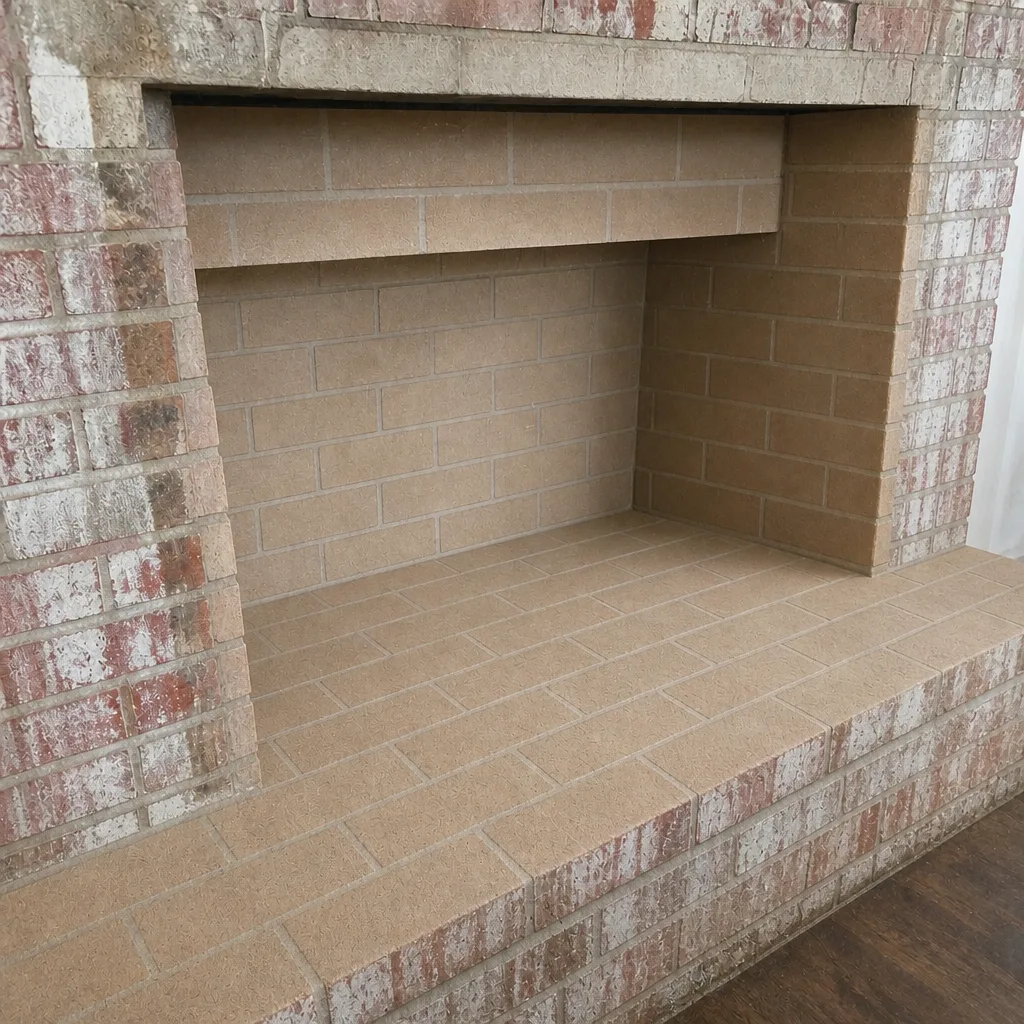
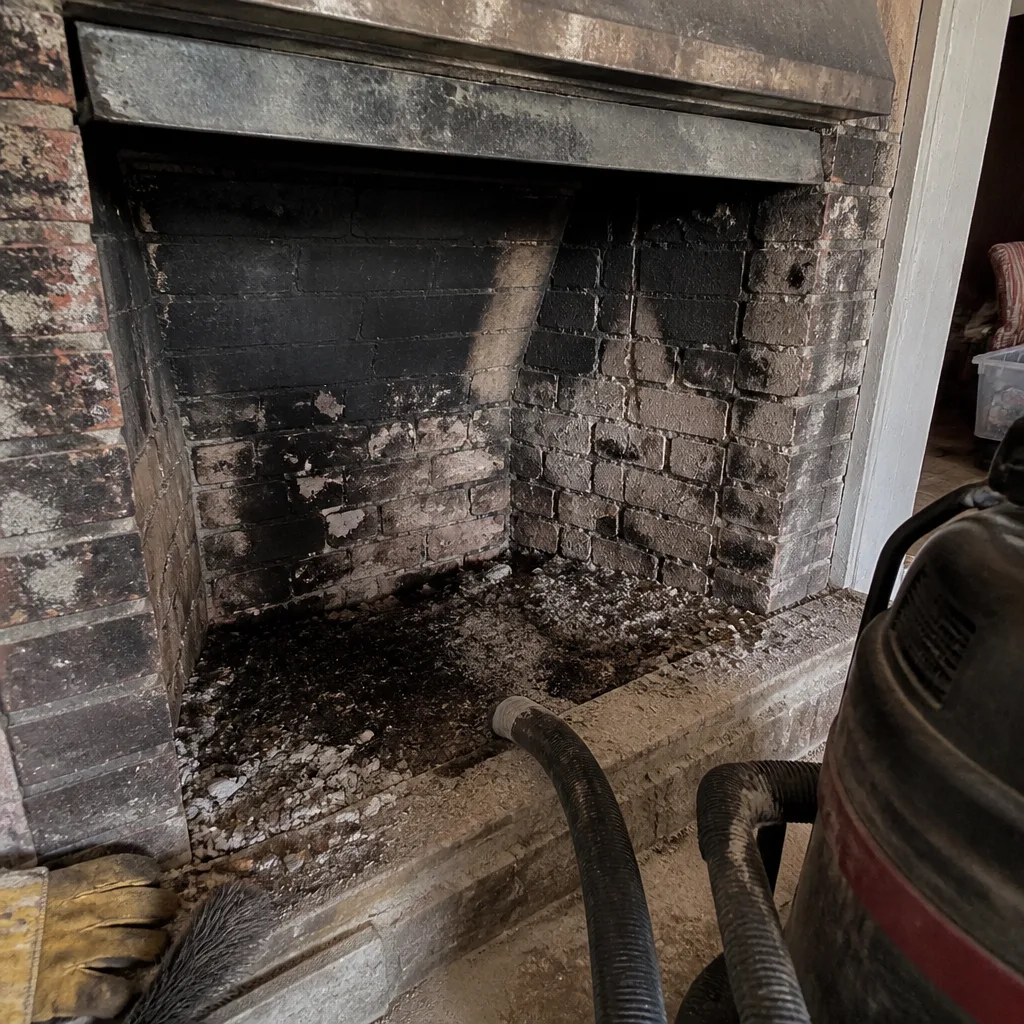
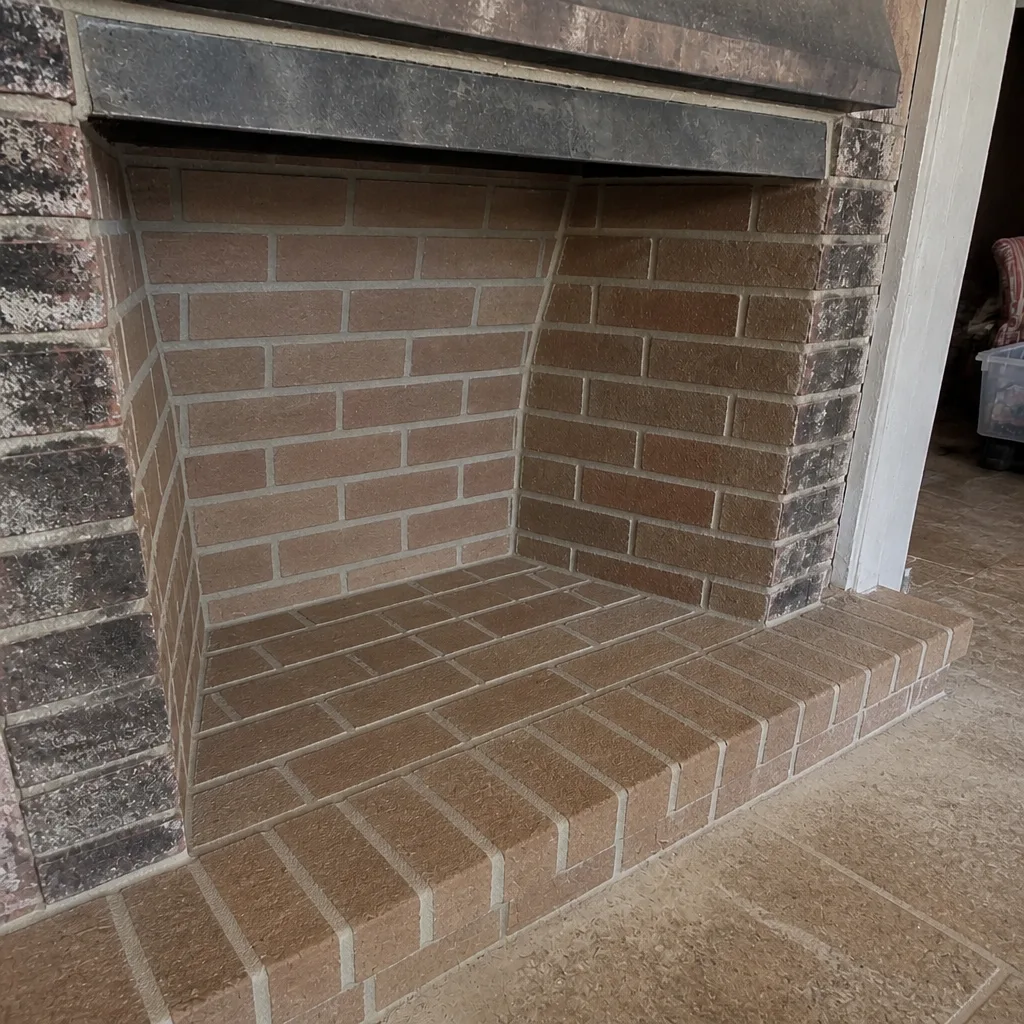
See the difference
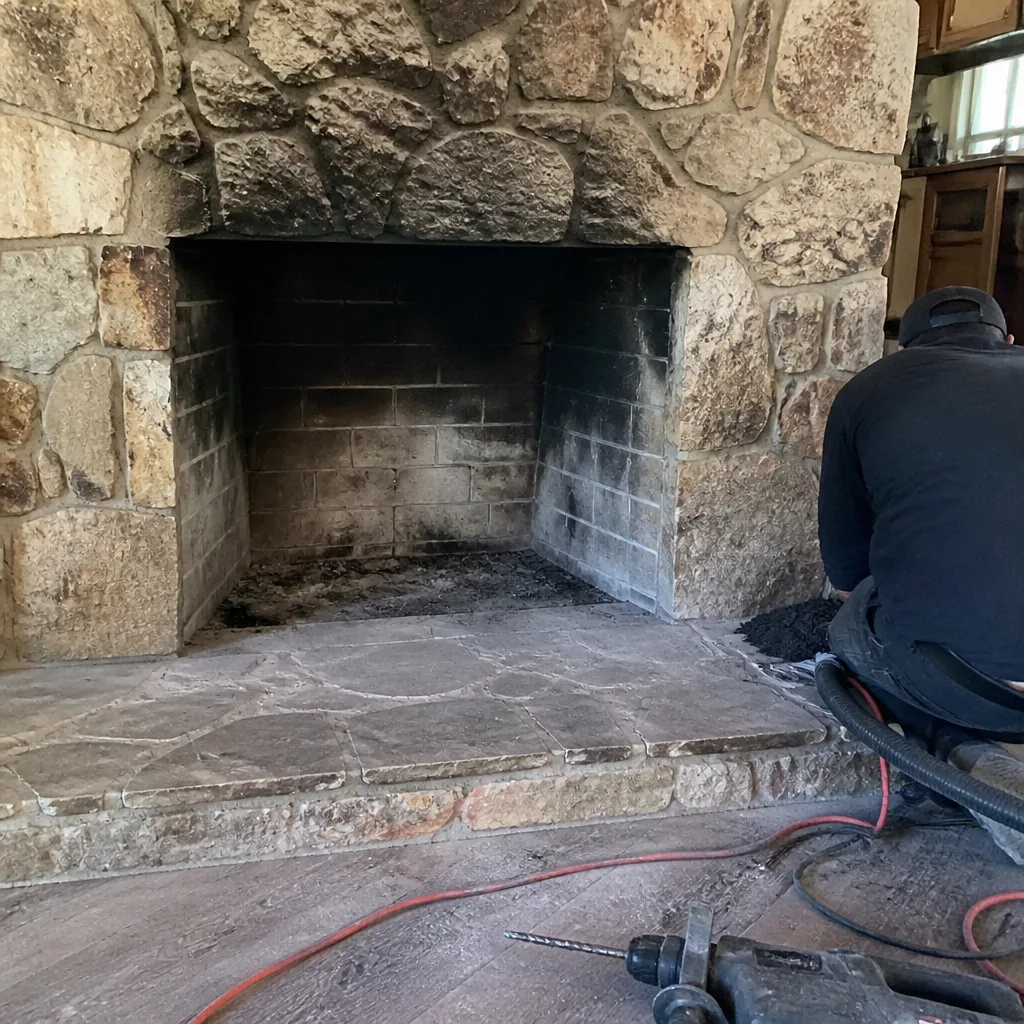 Before
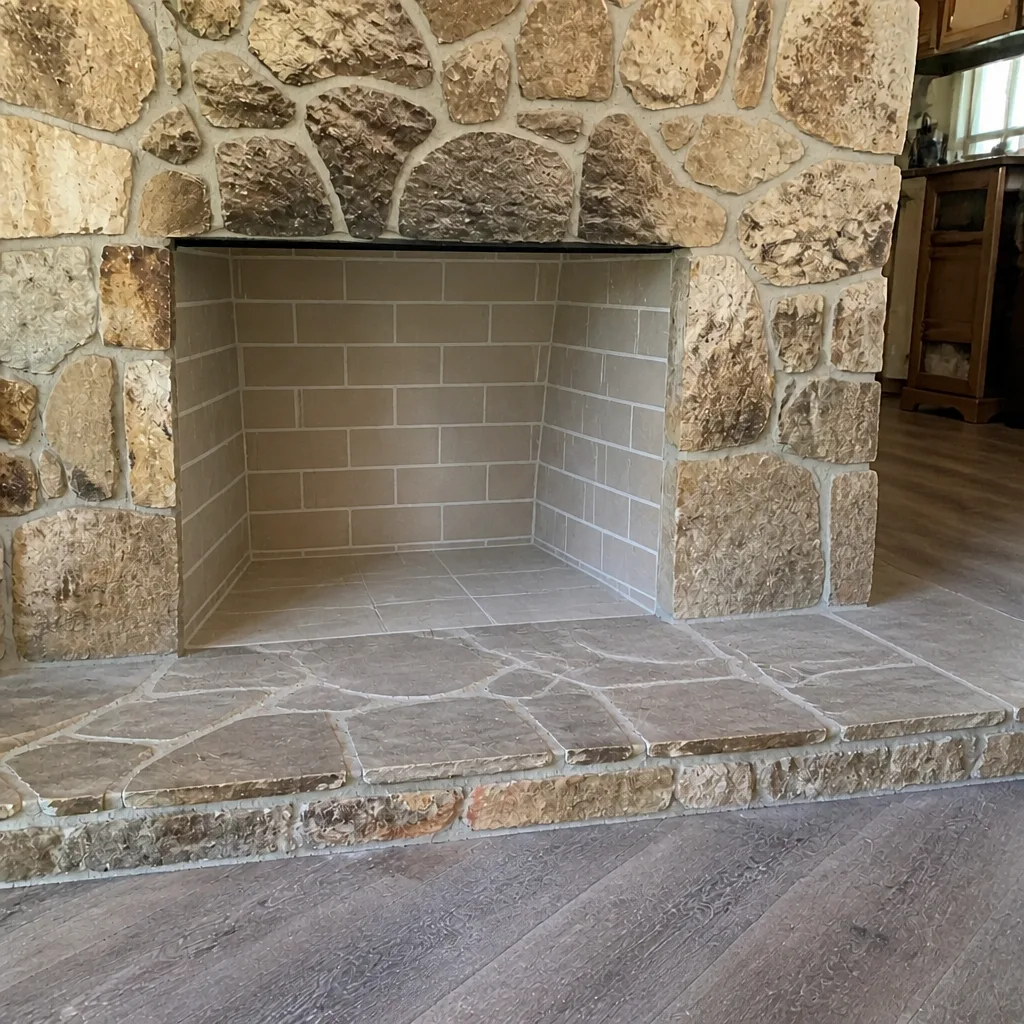 After
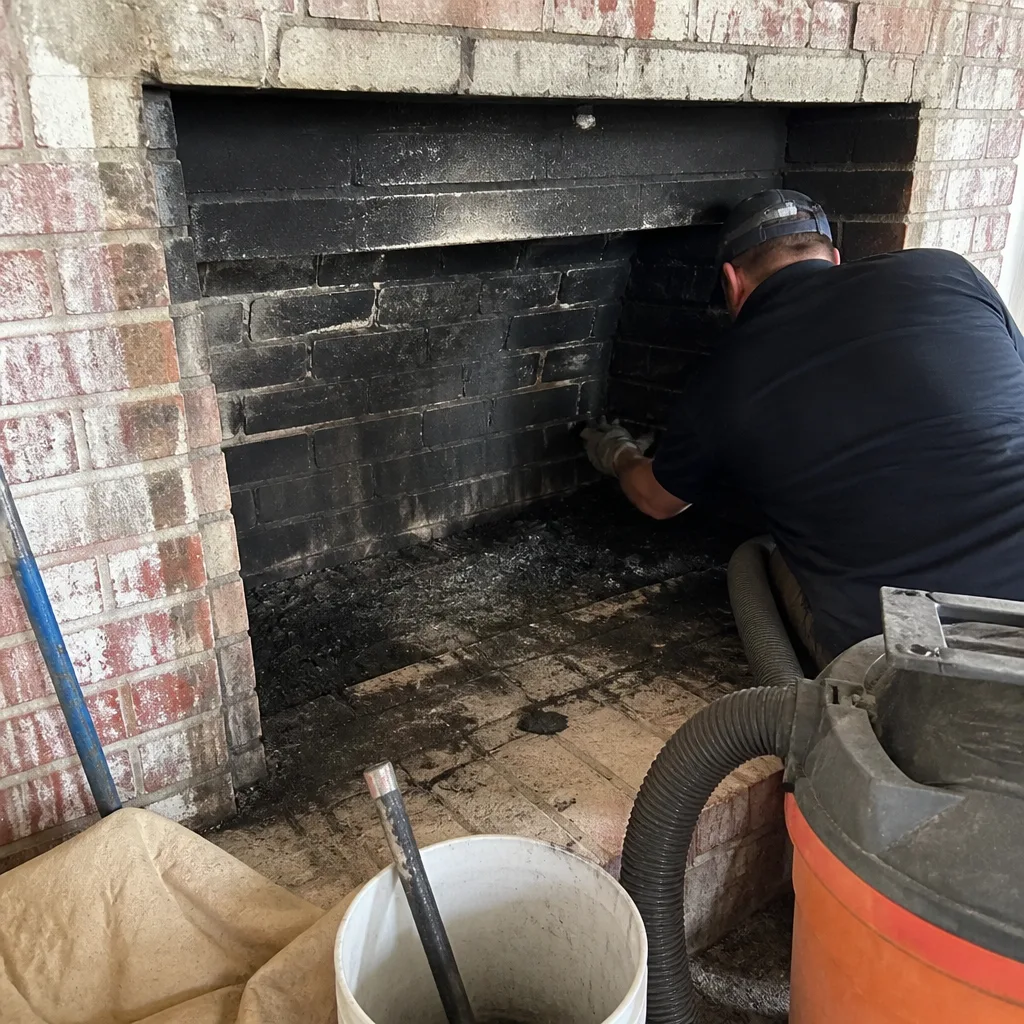 Before
 After
 Before
 After
When to Call a Professional
Some of this can be checked by a homeowner with a flashlight and common sense; the serious evaluation belongs to a trained professional. Call us when you’ve noticed a cracked or spalling flue tile, a chimney fire (even a brief one), smoke backing into the room, or a chimney cap that’s come loose. Call before a home sale if the chimney hasn’t been evaluated. Call if your firebox smoke chamber has never been looked at, if you’ve changed appliances, or if you’re in an older Fort Myers home and don’t know what’s inside the flue. Call if a previous installer can’t produce a permit, or if you’d like a Level 2 inspection with a photo report you can keep. Our technicians have up to 9 years of experience, and we’ll tell you plainly when work can safely wait, because nothing is recommended without evidence you can see for yourself.
Fort Myers Chimney Sweep offers free estimates in Fort Myers. Call (844) 834-3136. We answer 24/7. Fast dispatch from 7am to 7pm, Sunday through Friday.
Frequently Asked Questions
No. Routine chimney cleaning in Fort Myers requires no permit, because sweeping removes creosote and soot without changing any structure. A permit is required once a liner, crown, firebox or masonry repair is involved, because that’s construction under Florida Building Code Chapter 10. If you’re not sure which side of that line a visit falls on, call (844) 834-3136, and we’ll tell you before the work starts.
Yes. Installing or replacing a chimney liner in Lee County requires a permit, pulled by a contractor licensed for that scope, followed by a closeout inspection. An unpermitted liner has no inspection record and no documentation, which is a problem when you sell the house or your insurer asks for proof of the installation. A properly permitted liner is construction done once, correctly. Call (844) 834-3136 for a free estimate on a permitted installation.
A permit closeout inspection is performed by the county building inspector to confirm the permitted work matches the code, while an NFPA 211 Level 2 inspection is performed by a chimney professional to evaluate the entire venting system. Neither substitutes for the other: the closeout covers the scope of the permit, and the Level 2 covers everything, including parts of the chimney the permit never touched. If you’re selling a home in Fort Myers, you want both records. Call (844) 834-3136 to book the Level 2.
Not if it’s sound and suitable for the appliance it serves. Grandfathering protects an existing clay tile liner that hasn’t failed, and you’re not required to replace it simply because codes have changed. You are required to correct it if it’s cracked, spalling or has gaps, and you’re also required to bring venting up to code if you change the appliance or do structural work on the chimney. A Level 2 inspection tells you which side you’re on. Call (844) 834-3136 to find out.
Pricing is set per job by a written estimate after we’ve seen the chimney, not by a phone quote, because a routine sweep and a reline are very different jobs. There’s no service-call fee to find out, and the estimate is free. Call (844) 834-3136 and we’ll book the inspection and give you a written estimate you can compare. Estimates are free.
Nothing visible happens, which is exactly the problem: a cracked flue tile or a missing liner keeps venting and the fire keeps burning, and the risk builds quietly in the form of creosote and gaps in the flue. The other cost arrives later, when a buyer’s inspector opens the flue, the county record shows no permit, and the work becomes a negotiating item or a remediation project at your own sale. Inspection costs a fraction of remediation. Call (844) 834-3136 for a free estimate before it gets to that point.
The Bottom Line
Chimney cleaning in Fort Myers needs no permit; chimney construction does. That’s the whole guide in one line. Everything else follows from it: Florida Building Code Chapter 10 sets the standard for liners, masonry and venting; a Lee County permit and closeout inspection is how legal structural work gets documented; an NFPA 211 Level 2 inspection covers the whole venting system and isn’t replaced by the permit closeout; existing clay tile liners are grandfathered until they fail or an appliance change brings them into scope; and unpermitted work has a way of surfacing at the worst possible moment, which is a home sale. Get the inspection, keep the paper trail, and let a professional make the call on the flue.
Fort Myers Chimney Sweep handles chimney sweep, chimney repair and dryer vent cleaning, with professional-grade materials from HeatShield, Gelco, Olympia Chimney and Famco, so a cleaning visit can turn into a proper fix without a second trip. If you’re unsure where your chimney sits on the permit question, the answer starts with a look. Call (844) 834-3136 for a free estimate. We answer 24/7. Fast dispatch from 7am to 7pm, Sunday through Friday.
Written by the team at Fort Myers Chimney Sweep.