
Last updated November 15, 2026
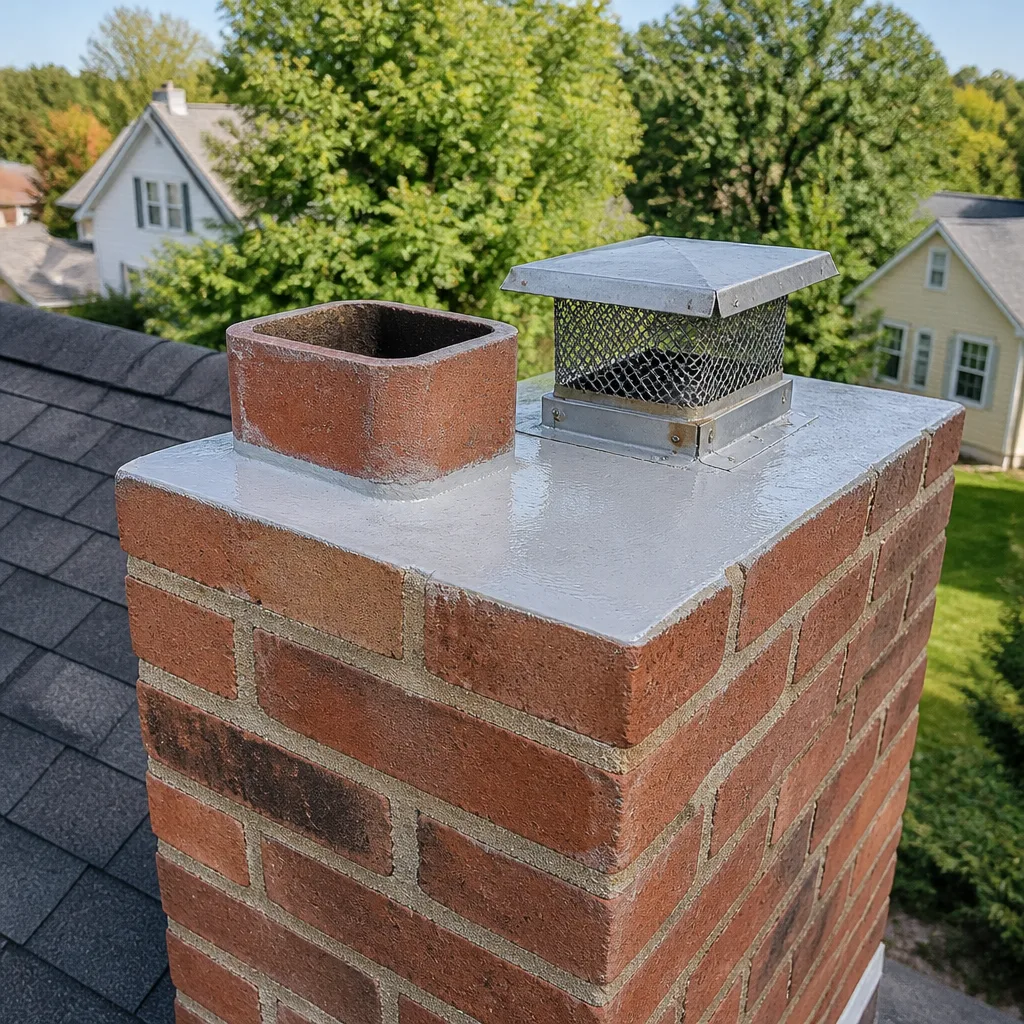 Sweep & inspection
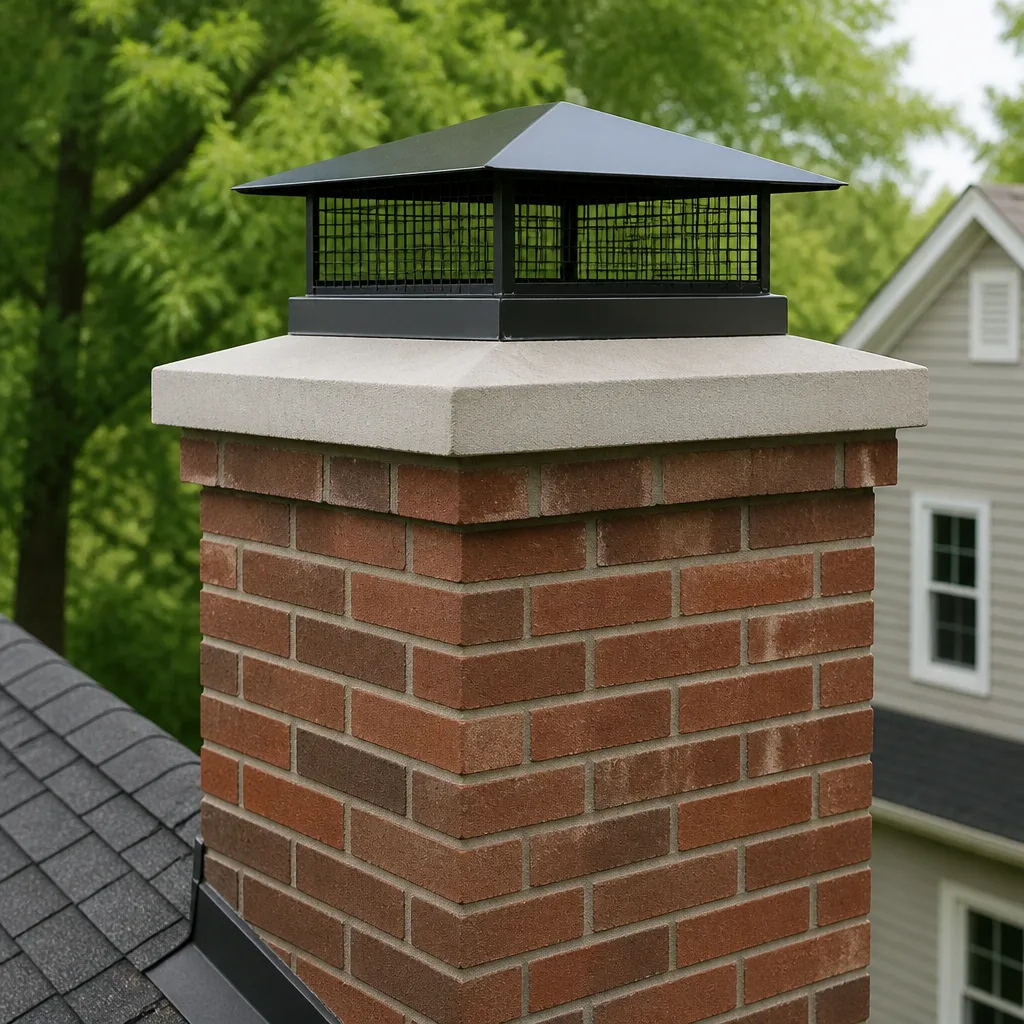 Caps & crowns
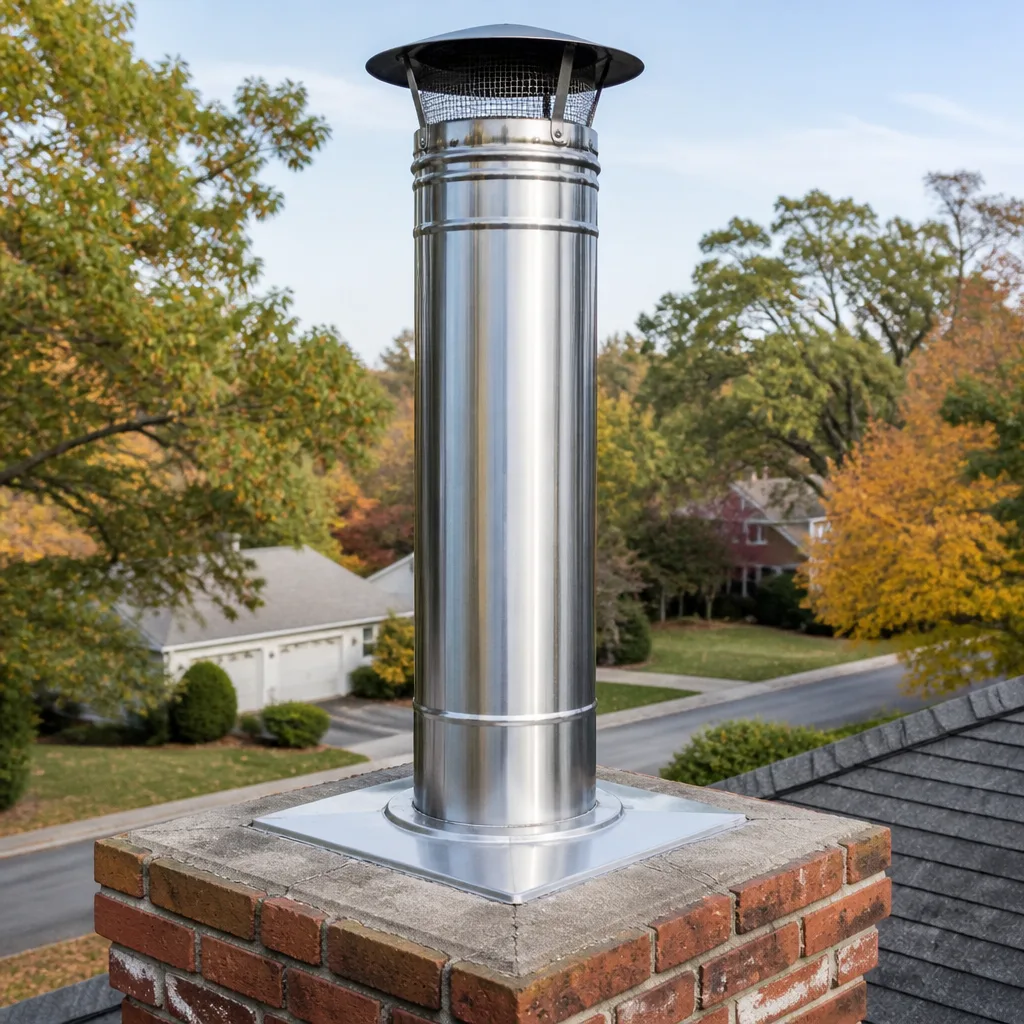 Flue relining
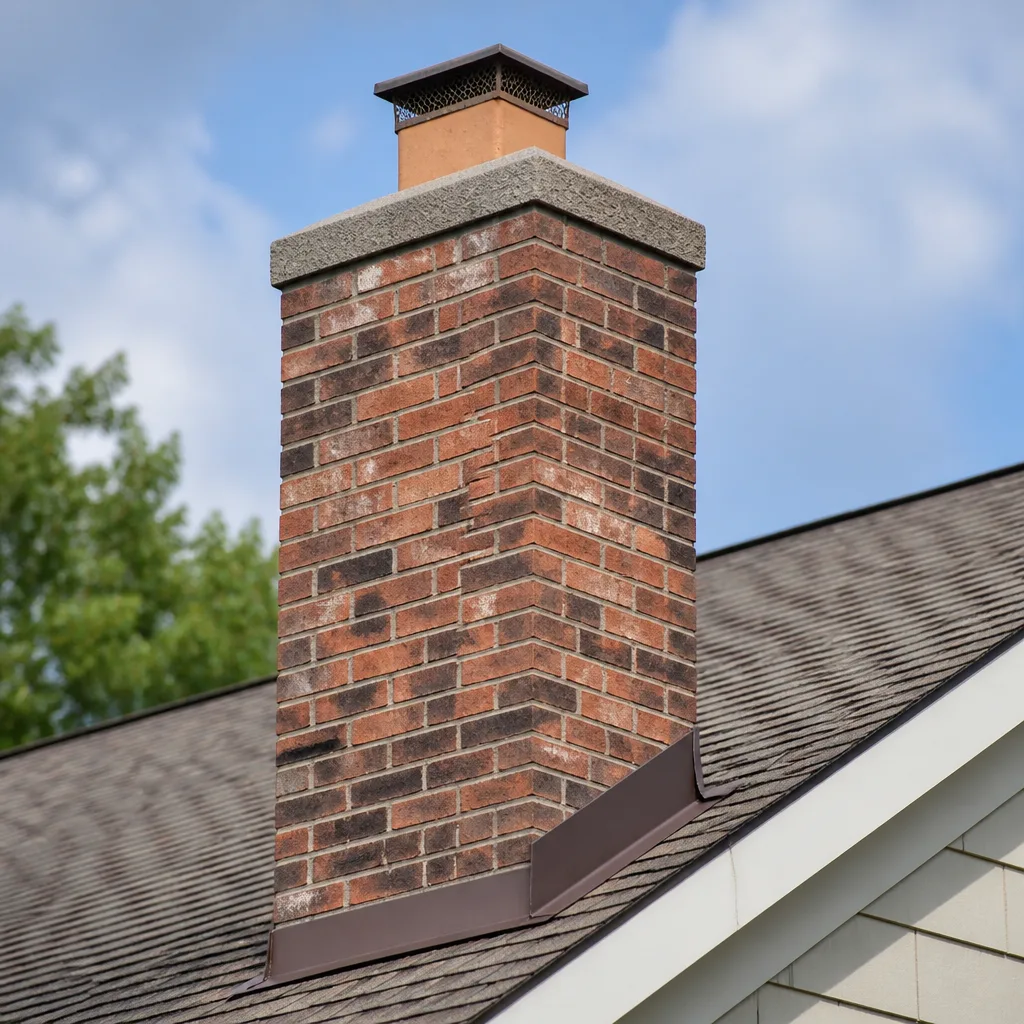 Masonry repair
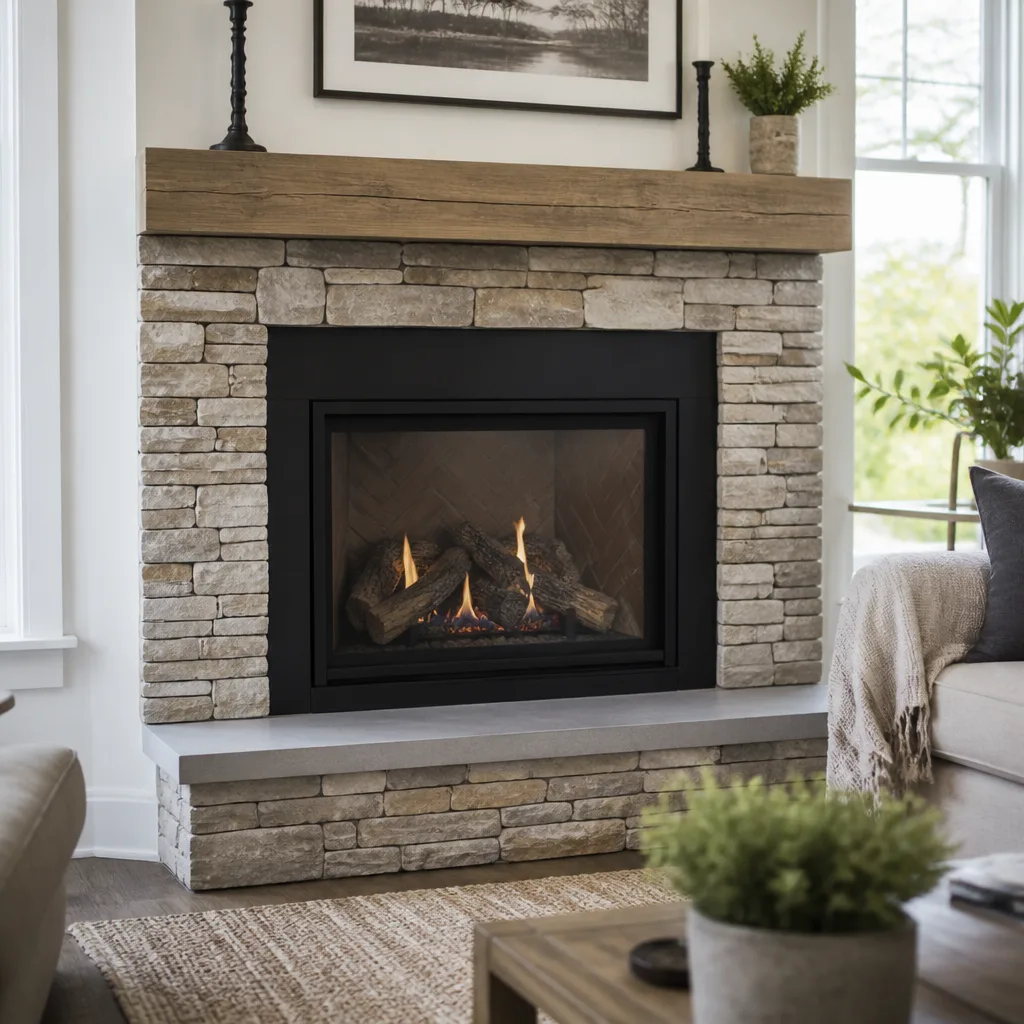 Gas fireplace service
Level 1 sweep and inspection to the NFPA 211 annual standard - flue, crown, cap, and flashing checked and photographed
Chimney sweep logs do not sweep chimneys. They loosen some creosote - which then falls where a brush and vacuum still have to collect it.
Chimney Sweep Maintenance Schedule: What to Do and When
The standard “get your chimney swept every year before winter” advice was written for Ohio. In Fort Myers, following it means you’re scheduling your inspection at exactly the wrong time of year. Our burning season runs opposite to the national calendar: fires get lit when the first cool fronts push through and the humidity finally drops. The real damage happens in the wet months, when nobody thinks about the chimney at all. This guide lays out a month-by-month schedule built around the Gulf Coast climate, and tells you which tasks you can handle yourself and which need a trained technician.
Quick Answer
In Fort Myers, the chimney maintenance year splits into two seasons: a pre-burn sweep and inspection in October or early November, and a post-hurricane-season check in late November that catches cap damage, flashing leaks, and water intrusion. Between those visits, a core checklist (cap condition, mortar cracking, damper operation) belongs in your hands. Dryer vent cleaning runs on its own clock, usually once a year in high-humidity households.
Styles & brands we work with
- Sweep & inspection
- Caps & crowns
- Flue relining
- Masonry repair
- Gas fireplace service
Table of Contents
- Why the National Chimney Calendar Doesn’t Fit Fort Myers
- The Fort Myers Month-by-Month Chimney Schedule
- Why the Off-Season Does the Most Damage
- Hardware That Needs an Annual Look on the Gulf Coast
- Dryer Vent Cleaning on a Florida Schedule
- A Between-Service Checklist You Can Run Yourself
- How Often Should a Fort Myers Chimney Be Swept?
- When to Call a Professional
Why the National Chimney Calendar Doesn’t Fit Fort Myers
Most chimney advice is written by people with a heating season that lasts six months. Their worry is creosote from steady, heavy burning, then freeze damage over winter. Fort Myers doesn’t work that way. We burn in bursts, on cool nights and during the odd cold snap, and the rest of the year is warm and humid. The threats here are different: moisture, biological growth, storm damage, and the slow degradation of exterior metal components.
That means the highest-value maintenance moment isn’t the first cold night. It’s the stretch right after hurricane season winds down, when the roof and the chimney’s exterior have taken months of wind-driven rain and blown debris. A cap that held through a dry spring may have shifted, cracked, or lost a screen. Flashing that was tight in May may have opened a seam. Those are the problems that let water into the flue during the rainy season, and water is what degrades masonry and liner material over time.
There’s a second mismatch: builders and inspectors in the Northeast talk about a “heating season,” but here the furnace is often a heat pump and the fireplace is decorative or supplemental. That changes how much creosote a Fort Myers flue actually accumulates. A wood-burning fireplace used a few dozen evenings a year builds a lot less than one run daily from October to April. The sweep interval in Fort Myers is genuinely different, and the national one-size advice tends to over-schedule some homes and under-schedule the heavy users.
The Fort Myers Month-by-Month Chimney Schedule
Here’s the schedule we recommend to homeowners who use a wood-burning fireplace or a gas appliance with a vent. It assumes an actively used chimney; adjust for how often you burn.
- January through March – active burn season. Burn dry, seasoned wood. Keep an eye on the firebox for staining patterns and the damper for smooth operation. This is when you’ll notice draft problems first, because you’re actually using the flue.
- April – last fire, first look. Once you’re done burning for the season, do a visual pass at the firebox and cap. Note anything that looks off for the next professional visit.
- May through September – off-season monitoring. This is the quiet, humid stretch. Check the cap and chase cover periodically for storm damage and any sign of water intrusion. Watch for bird or animal activity around the flue opening.
- August or September – schedule your sweep. Book the pre-burn sweep early. If the flue needs a liner repair, you want that resolved before the first cool front, not after.
- October or early November – pre-burn sweep and inspection. Full professional cleaning and inspection before the first fire of the season.
- Late November – post-hurricane-season check. After storm season closes, have the exterior inspected: cap, screen, flashing, masonry joints, and any stainless components.
- December – final readiness pass. Confirm the damper, cap, and firebox are ready before the heaviest burn weeks. Do a self-check (see below).
The two anchor visits most Fort Myers homeowners actually need are the October/November pre-burn sweep and the late-November post-storm exterior check. Everything else is monitoring.
Why the Off-Season Does the Most Damage
The months when you’re not thinking about the chimney are the months it’s most vulnerable. In Fort Myers, the off-season is hot and humid for months, and an unprotected or under-protected flue is essentially a vertical column of warm, damp air – a great environment for things you don’t want growing inside it.
- Moisture and biological growth. A flue open to the weather collects moisture. That moisture, in warm months, becomes a home for mildew and mold on masonry and on liner surfaces. A proper cap with a screen keeps rain and animals out.
- Bird nests and debris. Birds and small animals look for sheltered, dry spots. A missing or damaged cap screen invites them in. Nests block the flue and are a fire hazard when burning resumes, which is why we check for them at the fall sweep.
- Water intrusion at the roof line. Flashings, chase covers, and masonry joints all take a beating during storm season. A small opening lets water in for months before anyone notices a ceiling stain inside.
- Metal component corrosion. The cap, damper, and any steel components are exposed to constant humidity. Without an annual look, corrosion can progress to the point of failure between visits.
This is why the post-storm inspection is a Fort Myers-specific need. Skipping it means the chimney sits through the wet season with whatever damage the last storm left behind.
Hardware That Needs an Annual Look on the Gulf Coast
The moving parts and exposed metal on a chimney tell you the most about its condition. On the Gulf Coast, with year-round humidity, these deserve a specific annual look:
- Stainless chase covers. A chase cover caps a prefab chimney chase and sheds water off the top. Check the seams and the sealant at the edge, and look for standing water on it.
- Chimney caps and screens. The cap keeps rain, animals, and debris out while the screen keeps sparks in. A damaged screen lets wildlife in; a rusted cap lets water through. When a cap needs replacing, we fit a professional-grade unit – we stock Gelco caps and Famco venting components for that purpose, and we source components through trade suppliers such as Olympia Chimney and Copperfield.
- Damper seals. A damper that doesn’t close tightly leaks conditioned air up the flue year-round, driving up cooling costs in summer and wasting heat in winter. Check that it seals flush and moves smoothly.
- Flashing at the roof line. The metal that seals the chimney to the roof is the most common leak point. Look for lifted edges and failed sealant.
- The flue liner itself. A damaged liner is the component that matters most for safety. If we find a deteriorated flue, we can often resurface it using HeatShield ceramic resurfacer rather than tearing out and replacing a full liner, and for complex or offset flues we install DuraFlex flexible liner systems.
If you’re comparing options, a Fort Myers Chimney Sweep approach treats these as routine checks during a cleaning visit, not a separate sales call. If a component isn’t failing, we say so and move on.
Dryer Vent Cleaning on a Florida Schedule
Your dryer vent runs on a separate maintenance clock from the chimney, and in Fort Myers it deserves just as much attention. Lint accumulation in a clogged dryer vent is a leading cause of dryer fires, and the humid, year-round laundry cycle here means lint compacts faster than in dry climates. Households that run several loads a week should plan on an annual dryer vent cleaning, and more often if the vent run is long or the dryer feels slow.
The signs a vent needs attention: clothes take longer than usual to dry, the dryer body feels hot to the touch, or there’s a musty smell in the laundry area from trapped moisture. A blocked vent also makes the dryer work harder, which shortens its life. We handle chimney work and dryer vent cleaning on the same visit so you’re not chasing two separate contractors. Given that a clogged dryer vent is a fire risk in its own right, it belongs in the same annual safety pass as the chimney.
A Between-Service Checklist You Can Run Yourself
You don’t need tools or a ladder for most of this. The point is to notice changes and know when to call, not to fix anything yourself. Never climb onto the roof or reach into the flue to inspect it. A few minutes twice a year is enough:
- Look at the cap. From the ground, check the chimney top for a cap that’s tilted, missing its screen, or visibly rusted. A missing screen is the most common problem we find in Fort Myers between visits.
- Check the chimney exterior. From the ground, look for cracked or missing mortar between bricks, white staining, or a chase cover that’s not sitting flat.
- Look for interior water stains or rust. Any discoloration on the walls near the chimney, or rust on the firebox, points to a water leak that should be checked.
- Open and close the damper. It should move freely and seal flush. If it sticks or won’t close fully, that’s a service item.
- Note firebox staining patterns. Heavy, uneven staining can suggest draft or burning issues worth a professional look.
- Check the dryer. If the lint screen fills faster than usual or clothes stay damp, the vent may be clogging. Clean the screen, and if that doesn’t solve it, call.
If anything on that list looks wrong, stop there. Do not try to correct it yourself – and keep in mind that creosote, deteriorated liners, and gas appliance components are a genuine safety hazard. Only a trained professional should inspect or work on those. Do the visual walk-around, then hand off what you find.
How Often Should a Fort Myers Chimney Be Swept?
Here’s a direct answer: for a Fort Myers home that burns wood regularly, an annual sweep and inspection before the season is the practical baseline, plus the post-storm exterior check. If you burn only occasionally, an annual inspection is still worth doing, even if the sweep itself isn’t always needed. The point is to confirm what’s actually in the flue.
- Regular wood burning (dozens of fires per season): annual sweep, ideally October or early November.
- Occasional burning (a handful of fires): annual inspection, sweeping when the inspection finds buildup.
- Gas appliance venting: annual inspection to check the vent and confirm it’s clear and properly sealed.
- After any severe storm: a post-storm exterior check regardless, focusing on cap, flashing, and masonry.
Creosote buildup is the main reason for the sweep interval. It’s a flammable deposit that accumulates with every fire, and a professional sweep removes it along with any seasonal debris. One reason we set the baseline at annual, rather than guessing from how often you burn, is that a flue can hide a problem – a hairline liner crack or a low buildup that’s easy to miss – that only an inspection will catch. If it looks clean, the sweep confirms it and you’re done.
Common Mistakes to Avoid
- Scheduling the sweep only when the first cold night hits. In Fort Myers, that’s the busiest week and the wrong time to discover the flue needs a repair. Book the pre-burn sweep in August or September.
- Skipping the post-hurricane-season check. Storm season is when the cap, flashing, and joints take damage. A late-November exterior inspection catches it before the wet months work it into the structure.
- Burning unseasoned wood to save effort. Green or damp wood produces more creosote and more smoke. Well-seasoned wood burns cleaner and means less work at the next sweep.
- Dismissing a missing cap screen. A screen that’s gone lets birds nest in the flue, which is a fire hazard once the fire is lit again. Get it replaced.
- Assuming the dryer vent is fine because the dryer still runs. A slow, hot dryer is often a clogging vent, and it’s a fire risk regardless of whether it reaches the point that the appliance complains.
- Ignoring a damper that won’t close. It wastes conditioned air year-round and can let water in through the flue. It’s a simple service item when caught early.
- Letting a liner defect wait. A cracked or deteriorated liner is a safety issue that won’t fix itself, and a small problem caught at inspection is far cheaper to address than one that’s spread.
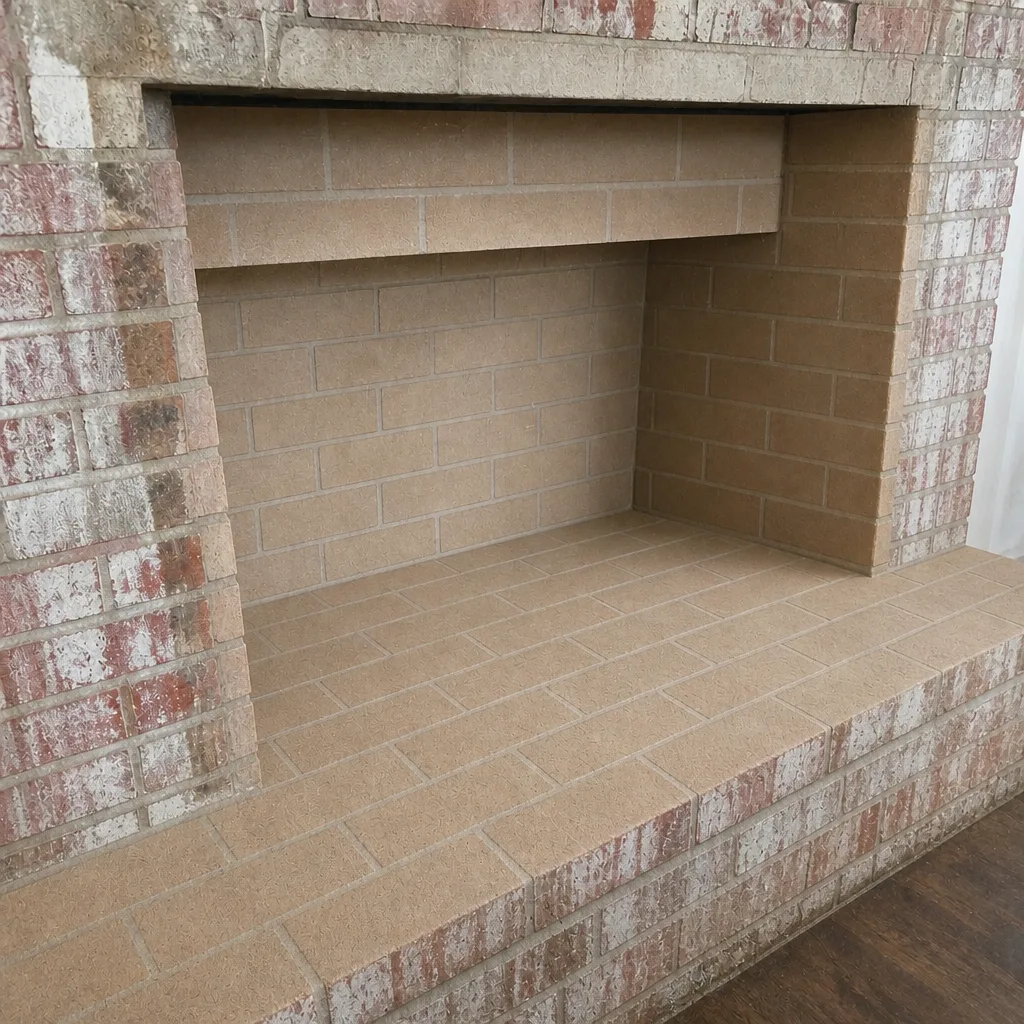
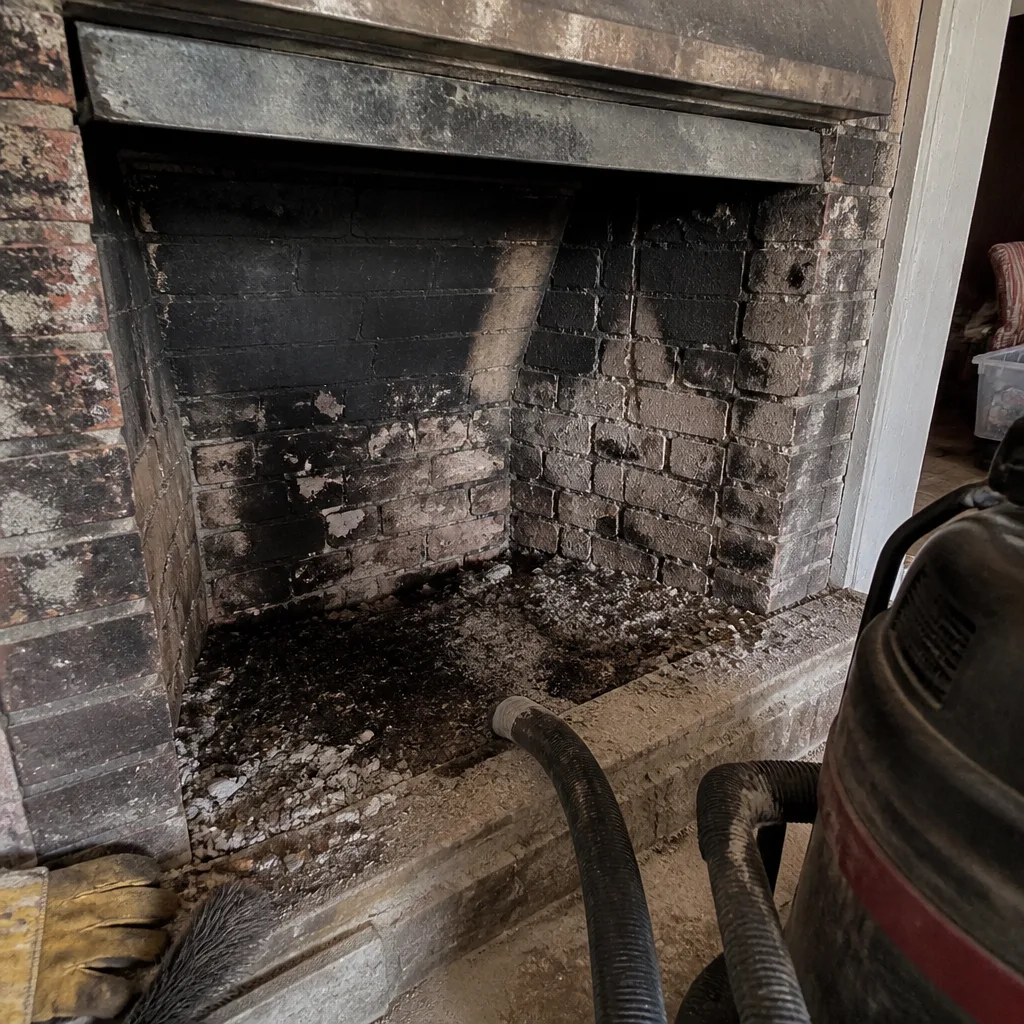
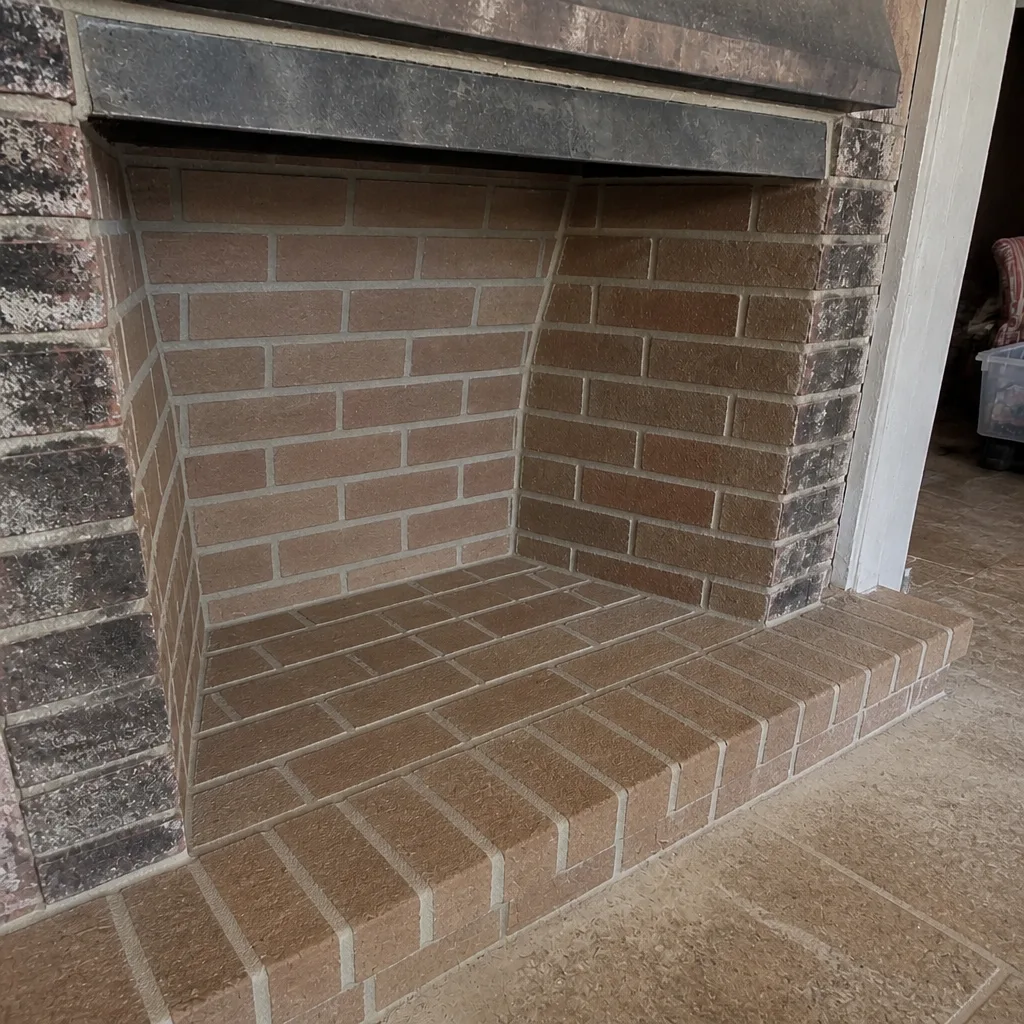
See the difference
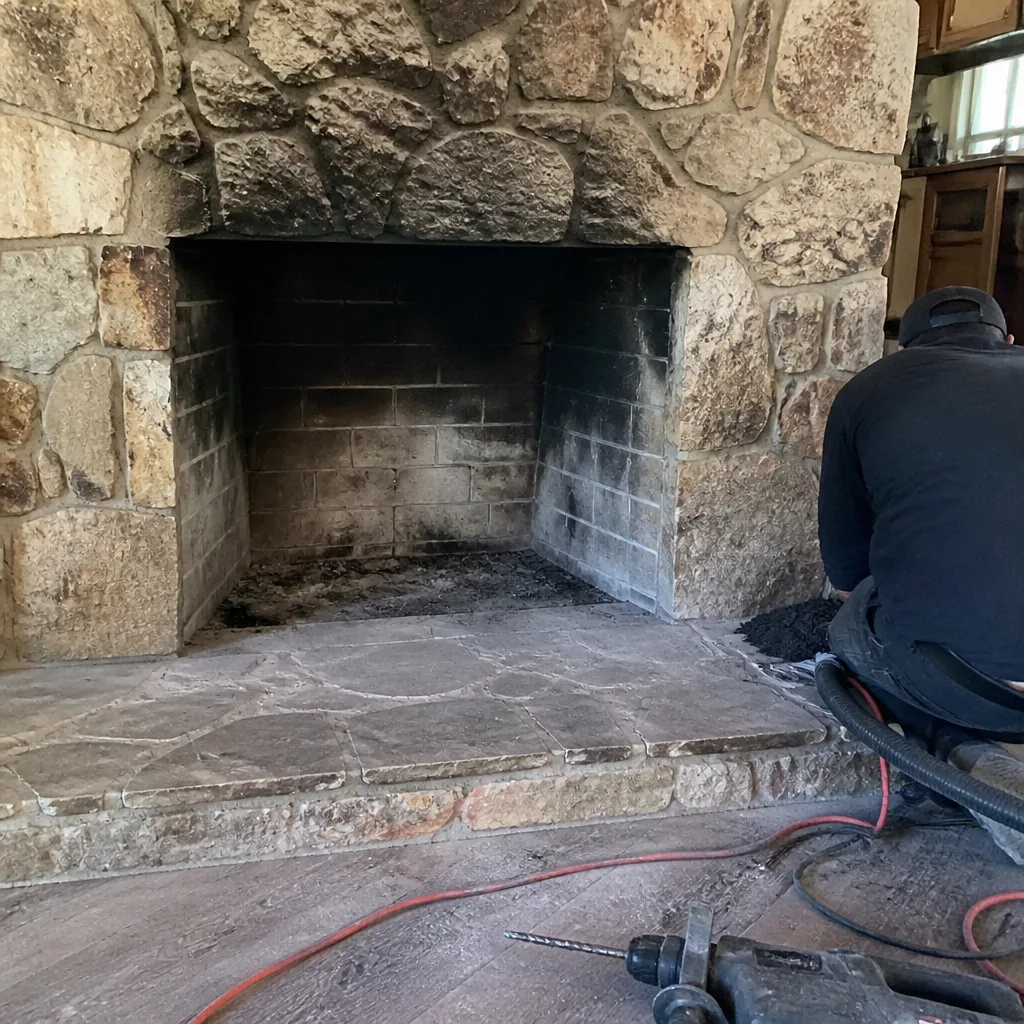 Before
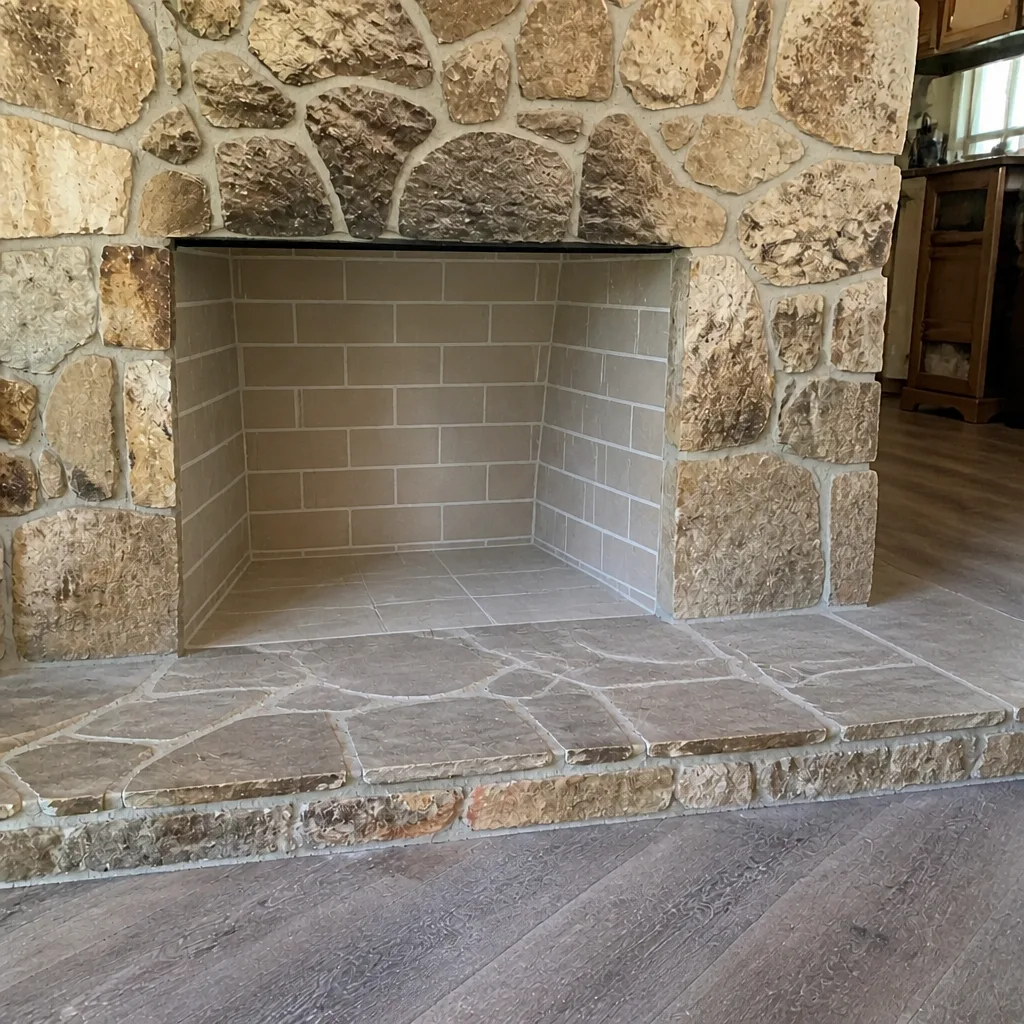 After
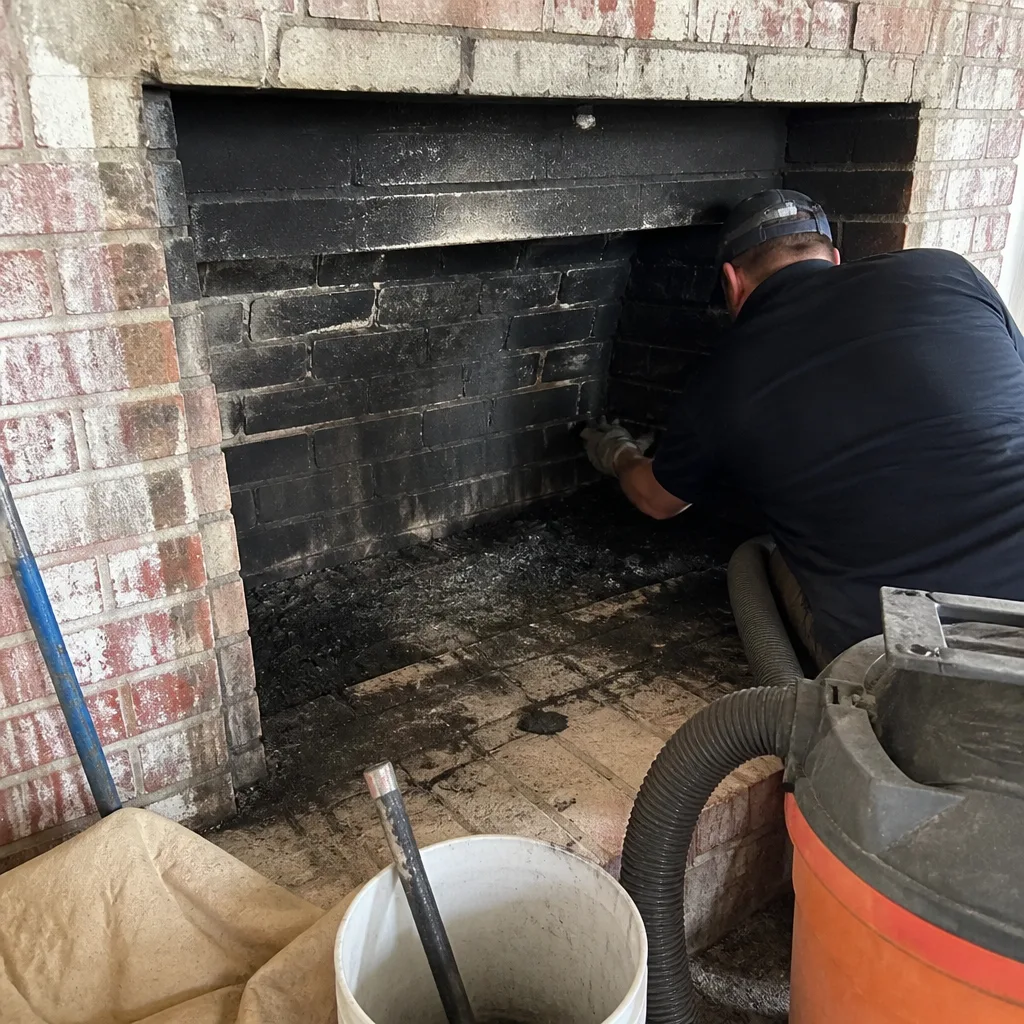 Before
 After
 Before
 After
When to Call a Professional
Some of this schedule is yours to run – the visual walk-around, the damper check, keeping an eye on the cap. But certain situations need a trained technician, and it’s not worth waiting. Call us if you see grease-like creosote buildup in the flue, if a cap or screen is damaged or missing, if there’s water staining or rust anywhere near the chimney, if a damper sticks or won’t seal, or if it’s simply time for your pre-season sweep and inspection. Gas appliance vents and any suspected liner damage should always go to a professional. If you’ve never had the chimney inspected, start there. We repair, not just inspect, so a cleaning visit can often turn into a same-visit fix using DuraFlex, HeatShield, or a properly sized cap.
For homes in Fort Myers, we offer free estimates. Call (844) 834-3136. We answer 24/7. Fast dispatch from 7am to 7pm, Sunday through Friday.
Frequently Asked Questions
An annual sweep and inspection before burn season is the practical baseline for a Fort Myers home that burns wood regularly, plus a post-storm exterior check in late November. If you burn only occasionally, an annual inspection is still the right call, with the sweep itself done whenever the inspection finds buildup. Call (844) 834-3136 for an exact quote – estimates are free.
A sweep is usually enough – unless the inspection finds a deterioration that a cleaning won’t fix. A cracked or damaged liner is the component that matters most for safety, so we check it on every visit. If damage is found, we can often resurface the flue with HeatShield ceramic resurfacer, or install a chimney sweep-to-liner solution like DuraFlex when the flue requires a full relining. Nothing gets recommended without a documented finding you can review. Call (844) 834-3136 for a free estimate.
Creosote keeps building up, and a flue left unchecked can hide a liner defect, a capscreen failure, or an animal nest – any of which is a fire risk when you light the first fire of the season. The same goes for a clogging dryer vent, which loses efficiency and adds fire risk. A skipped sweep isn’t a lost year of convenience; it’s a year when a small problem had time to grow. Call (844) 834-3136 to get booked before the season.
The off-season is when the most damage happens. Warm, humid months plus a cap that’s missing its screen is the recipe for moisture intrusion, mildew, and bird nests. A quick visual check in summer and the post-storm inspection in late November are the Fort Myers-specific steps that catch these early. Call (844) 834-3136 to schedule an inspection.
Once a year is the baseline for most households, and more often if you run several loads a week or the vent run is long. The humidity and year-round laundry cycle here cause lint to compact faster than in dry climates. Signs it’s due: slower drying, a hot dryer body, or a musty smell in the laundry area. Call (844) 834-3136 for a free estimate.
Yes. After storm season, check the chimney from the ground for a damaged cap, missing screen, cracked mortar, or a chase cover that’s not flat. If you see anything off, schedule a professional inspection. The post-hurricane-season check is one of the two anchor visits we recommend for Fort Myers homes. Call (844) 834-3136 to book it.
The Bottom Line
The Fort Myers chimney year runs on its own calendar, and it’s the reverse of the national one. The two visits that matter most are the pre-burn sweep and inspection in October or early November, and the post-hurricane-season exterior check in late November. Everything between is monitoring – your own visual checks, plus the dryer vent on its own annual clock. Handle the visual checklist yourself, but leave creosote, liners, dampers, and any gas component to a trained technician. If a repair is needed, professional-grade parts like DuraFlex, HeatShield, and proper caps are built to last past the next inspection. For a Fort Myers chimney, the goal is simple: catch the small stuff before the wet season turns it into the expensive stuff.
Written by the team at Fort Myers Chimney Sweep.