
Last updated November 15, 2026
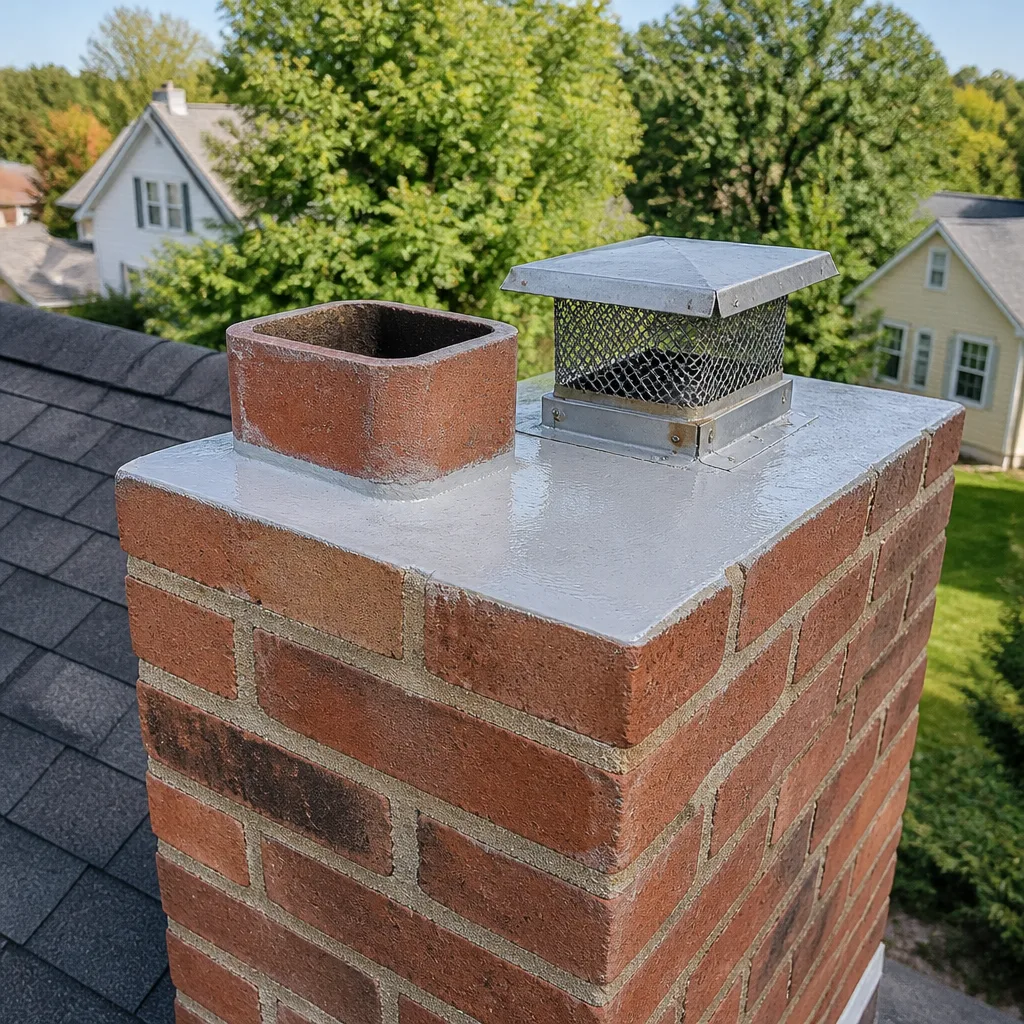 Sweep & inspection
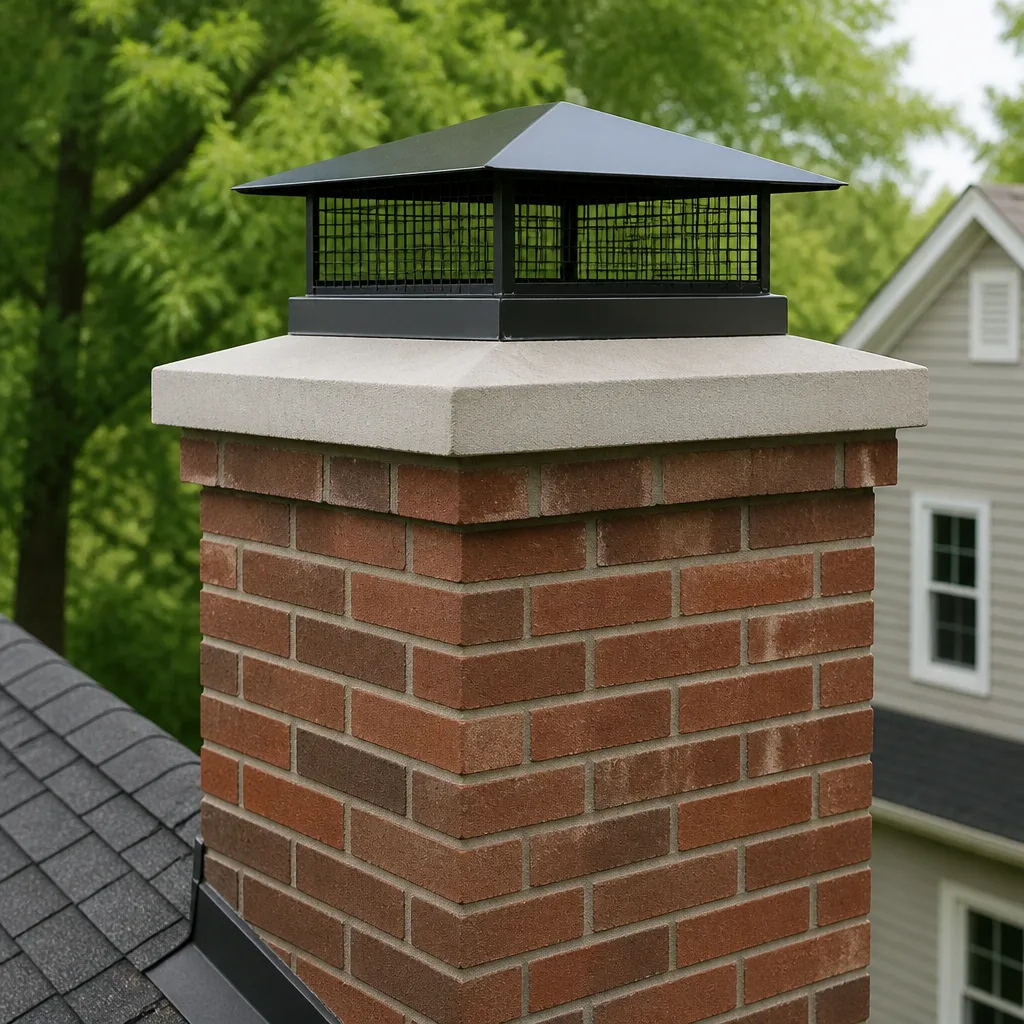 Caps & crowns
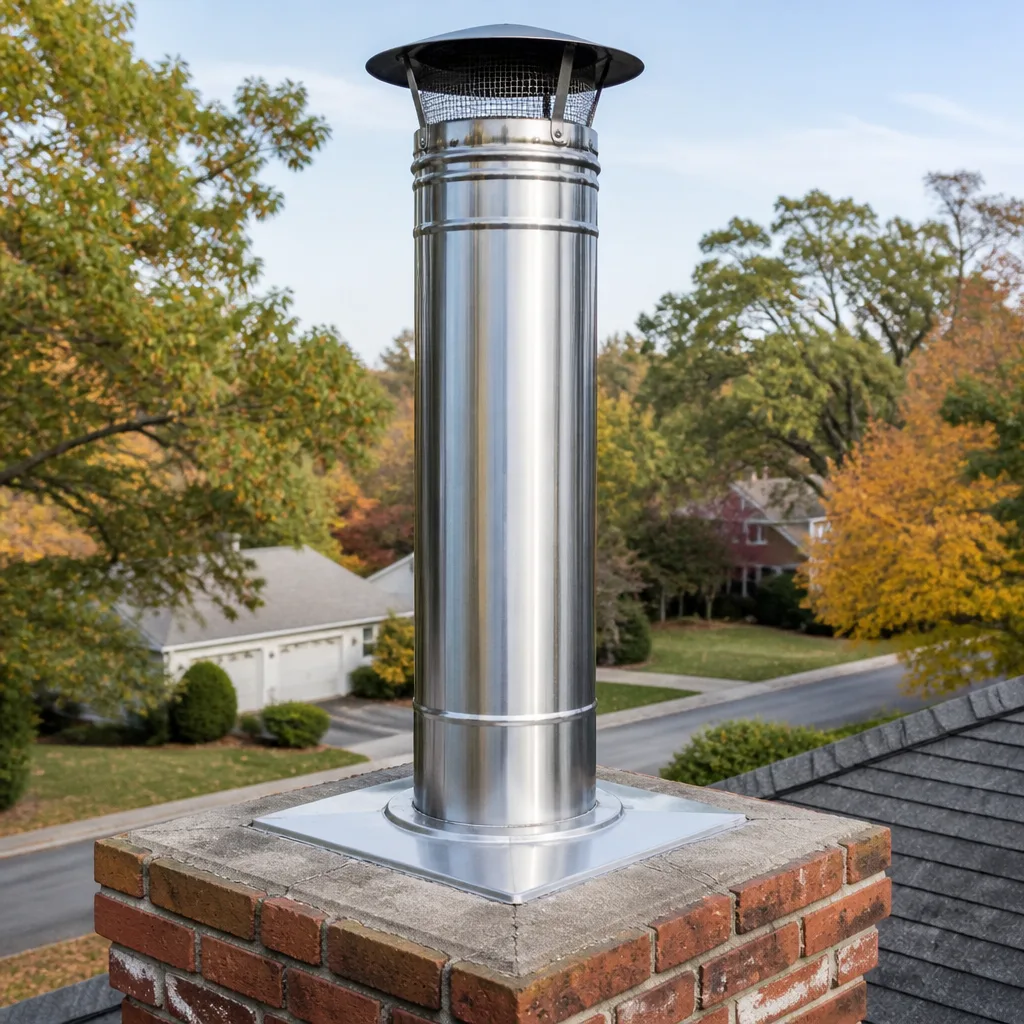 Flue relining
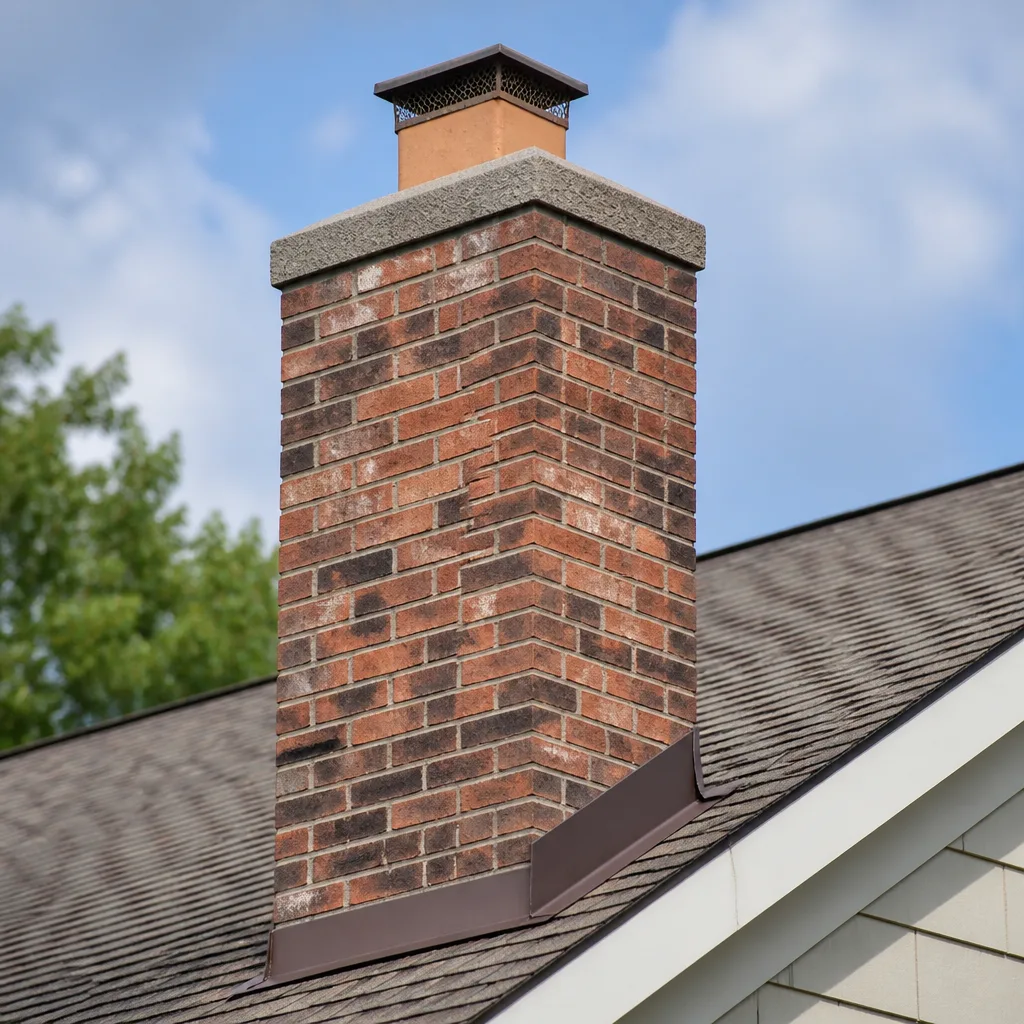 Masonry repair
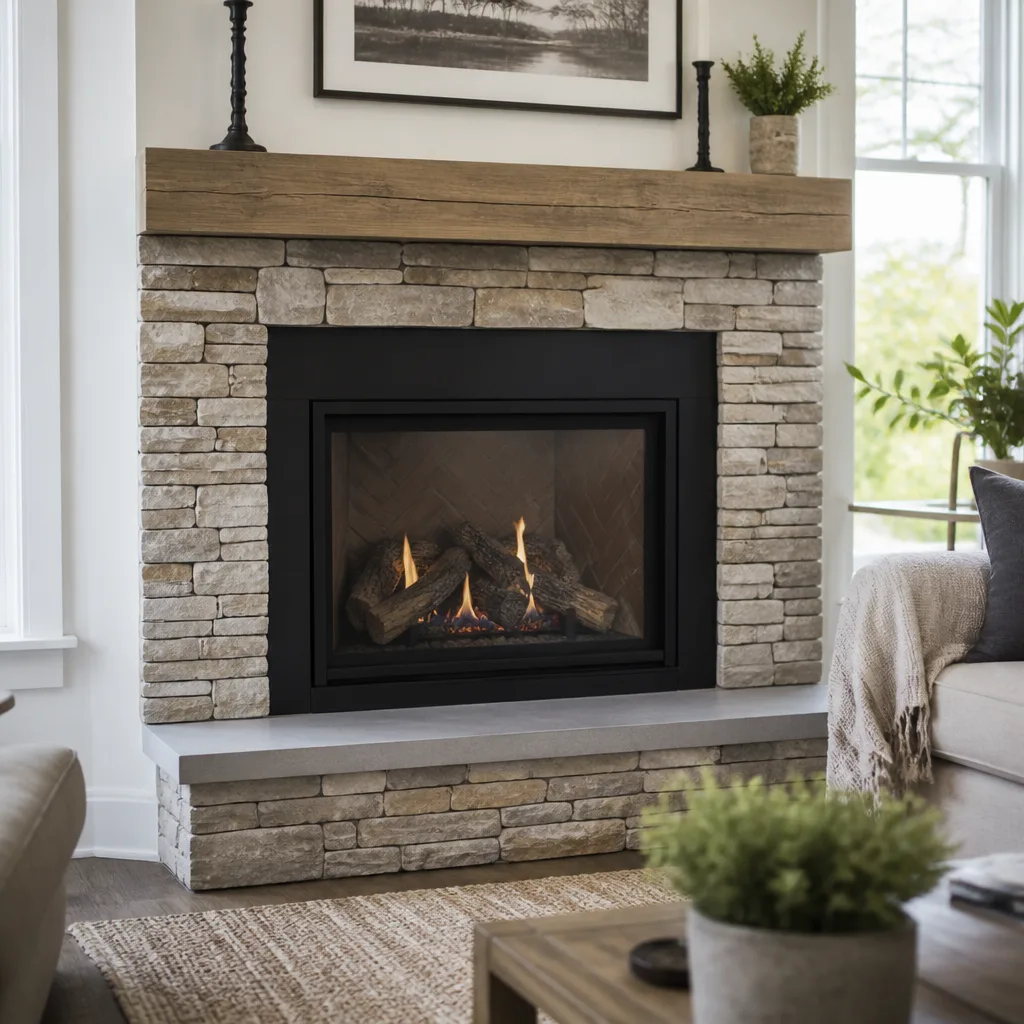 Gas fireplace service
Level 1 sweep and inspection to the NFPA 211 annual standard - flue, crown, cap, and flashing checked and photographed
Chimney sweep logs do not sweep chimneys. They loosen some creosote - which then falls where a brush and vacuum still have to collect it.
Chimney Cleaning Cost Breakdown: The Fort Myers Homeowner’s Reference for 2026
A $99 chimney sweep special almost always means a visual look with a shop vac, not a real cleaning. The rotary brush system, HEPA vacuum containment, and camera scan that make up an actual sweep typically run $175 to $350 in the Fort Myers market, and the gap between those two numbers is the whole story. That $99 coupon is a hook, and what follows it is a scope that quietly leaves out the parts that protect your home. We’ve seen this exact confusion play out across Fort Myers, where quotes for “a sweep” swing by $200 or more for what sounds like the same job. What you’ll learn here: what a Fort Myers chimney cleaning should cost in 2026, what that price must include at minimum, how add-ons are priced, and how to read a quote on scope instead of just the bottom line.
Quick Answer
A standard chimney cleaning in Fort Myers runs about $175 to $350 in 2026. That price should include a rotary brush sweep, HEPA vacuum containment, a firebox and smoke chamber inspection, and a written report with photos. Anything that adds real work on top, such as a Level 2 camera inspection, animal removal, crown repair, or liner resurfacing, is priced separately, and the written estimate sets your final number before any work is booked.
Styles & brands we work with
- Sweep & inspection
- Caps & crowns
- Flue relining
- Masonry repair
- Gas fireplace service
Table of Contents
- What a real cleaning includes at minimum
- The base cost range in Fort Myers for 2026
- Add-on costs explained, without the markup mystery
- Why liner work is priced separately
- What drives the price up or down
- Stage 1, Stage 2, Stage 3 creosote, and what each means for cost
- Bundling a sweep with dryer vent cleaning
- How to compare two quotes for the same chimney
What a Real Chimney Cleaning Includes at Minimum
Before we get into numbers, you need to know what you’re paying for. A chimney cleaning is not a quick scrape with a hand brush. A proper job has four parts, and any contractor who skips one is either cutting corners or didn’t plan for the work. Here is what should be in every cleaning, every time:
- Rotary brush sweep. A powered rotary brush gets the flue walls clean of creosote and soot. Hand brushes work for light buildup, but a rotary system removes the glazed layers that cause chimney fires.
- Vacuum containment. A HEPA vacuum hooks into the firebox while the brush runs, so no soot escapes into your living room. If a contractor shows up without one, expect a mess and expect to find soot on your furniture afterward.
- Firebox and smoke chamber inspection. The sweep looks at the firebox, damper, and smoke chamber while everything is open. This is where you find out about cracked masonry, a warped damper, or a gap that needs parging.
- Written report with photos. You should walk away with a document that names what was cleaned, what was found, and what, if anything, needs attention. This is also what property managers need for their records.
If a quote doesn’t mention all four, ask why. Sometimes the answer is fair (a light cleaning on a well-kept flue), and sometimes the answer is that the contractor was going to skip the camera and the vacuum to hit a low price. We install and service professional-grade equipment on every visit because a cheap sweep that misses creosote is not a bargain; it’s the setup for a repair. The chimney sweep page spells out what our cleaning visits include.
The Base Cost Range in Fort Myers for 2026
For a straightforward cleaning on a standard masonry chimney in Fort Myers, expect to pay somewhere between $175 and $350 in 2026. That range covers a single-flue residential chimney that has reached typical usage. A wood-burning fireplace that gets used most winter weekends will land in the middle of that range. A gas appliance chimney, or a flue that only sees occasional fires, usually lands at the low end. Heavier buildup pushes you toward the top.
Here’s the pricing picture as a line-item table, since that’s how you’ll want to compare it against a quote:
- Standard chimney cleaning: $175 to $350
- Level 2 camera inspection: $100 to $200
- Animal removal and exclusion cap: varies with the access and the animal, quoted per job
- Smoke chamber parging: varies with chamber size and access, quoted per job
- Crown repair or rebuild: varies with crown condition and size, quoted per job
- HeatShield ceramic flue resurfacing: quoted per flue, based on length and damage
- DuraFlex stainless liner installation: quoted per flue, based on length and configuration
We won’t put a number on the items we haven’t seen. That isn’t coyness; it’s the honest way to price repair work. A crown that looks fine from the ground can be crumbling on the underside, and a flue liner that looks intact can have voids you won’t see until the camera is down it. The written estimate sets the final price after we’ve looked.
Fort Myers has its own quirks. Winters are mild, which means a lot of fireplaces sit unused for months and then get fired up during the few cool weeks. That pattern can produce a different creosote profile than you’d see in a colder climate, and a chimney that’s been idle can hide nests or debris. If you’re wondering whether your chimney is due, call us and we’ll help you figure out the right timing before the season turns. For a broader introduction to the business, see Fort Myers Chimney Sweep.
Add-On Costs Explained, Without the Markup Mystery
Add-ons aren’t a scam, but they do need to be explained. Here’s what each one covers and why a cleaning visit sometimes turns into one.
Level 2 Camera Inspection: $100 to $200
A Level 2 inspection is a video scan down the full length of the flue. The camera shows the inside of the liner, the joints, the smoke chamber, and the top. It’s how you find out whether a flue is safe for continued use, and it moves beyond what a visual from the firebox can tell you. It’s worth doing when you’ve just bought a home, when you’re changing appliance type, after a chimney fire, or when a sweep finds something concerning. The price reflects the time and equipment, not a mystery markup.
Animal Removal and Exclusion Cap
Raccoons, birds, and squirrels are the most common unwanted guests in an uncapped chimney. Removal is quoted per job because the approach changes with the animal and the access. The lasting fix is a cap, and we stock Gelco chimney caps for that reason. A cap keeps rain, animals, and debris out, and it’s one of the cheapest long-term investments on a chimney.
Smoke Chamber Parging
The smoke chamber is the sloped area between the firebox and the flue. Rough masonry there slows smoke and contributes to creosote buildup. Parging smooths it out. Priced per job because the chamber size and the access vary; a tight chamber with a sharp angle takes more time than a wide one.
Crown Repair or Rebuild
The crown is the concrete cap at the top of the chimney that sheds water away from the flue. A cracked crown lets water in, and water damage is the quiet killer of masonry chimneys. Repair is cheaper than rebuild, and the difference depends on how much of the crown is sound. We quote it after inspecting the top.
Why Liner Work Is Priced Separately
Liner work isn’t part of a cleaning, and it shouldn’t be. A sweep cleans what’s there; liner work replaces or restores the flue itself. Here’s what goes into that separate price.
HeatShield ceramic resurfacer. This is a ceramic coating applied to a damaged flue to restore a smooth, sealed surface without demolition. It’s an industry-recognized alternative to a full liner replacement, and it saves significant cost and disruption when the damage is surface-level rather than structural. It’s priced per flue because length and damage level drive the material and labor.
DuraFlex stainless liner installation. When a flue is too damaged for resurfacing, a flexible stainless liner is the durable answer. DuraFlex systems can navigate complex, offset flues that rigid liners can’t, which is exactly why we stock them. Length, flue configuration, and the number of offsets all change the price.
Lee County permits. Liner installation is permitted work in Lee County, and the permit cost is part of the total. Permit fees vary with the scope and the jurisdiction’s current fee schedule, so the honest answer is that the permit is added to the estimate after we confirm what your project requires. We won’t quote a permit number we haven’t verified with the county, and we won’t leave it out of the estimate to make the total look smaller. The best practice is to call the county building department if you want to check the current fee before you book.
Because a liner repair is a bigger commitment, it needs bigger evidence. Nothing on a liner recommendation should be taken on faith. Our technicians use camera inspection and a photo report so you can see the flue yourself, and if a repair can safely wait a season, we say so.
What Drives the Price Up or Down
Two Fort Myers homeowners with the same house footprint can get quotes $200 apart. Here’s why, so you can see what’s actually different about your chimney versus your neighbor’s:
- Flue height. A taller chimney takes more time, more brush sections, and a longer vacuum hose run. A two-story chimney costs more to clean than a single-story one.
- Flue sizing and shape. Round flues clean fastest. Rectangular and oval flues take more passes, and offset flues take more care. A DuraFlex liner makes an offset flue workable, but it’s still more complex than a straight shot.
- Creosote buildup. Light soot is a quick pass. Heavy creosote is the biggest driver of a higher cleaning price, and Stage 3 buildup changes the method entirely (see the next section).
- Access. A chimney on a steep roof or behind landscaping takes more setup. Access to the firebox matters too: an insert, a screen, or a fireplace surround can all add time.
- Appliance type. A wood-burning fireplace with a masonry flue is the standard case. Gas and pellet appliances have their own cleaning profiles.
- Condition of the components. A warped damper, a cracked crown, or a missing cap all add scope. None of these are invented; they’re documented on the report and priced on the estimate.
This is where a real comparison gets easier. If one contractor quotes $150 and another quotes $300, the $150 quote almost always has less scope. The question to ask isn’t “why is the other one cheaper?” It’s “what’s missing from the cheaper one?”
Stage 1, Stage 2, Stage 3 Creosote, and What Each Means for Cost
Creosote is the tar-like residue left behind by burning wood, and it’s the leading cause of chimney fires. It comes in three rough stages, and each one changes the cleaning method and the price.
- Stage 1: light soot. A thin, dusty layer that brushes off with a standard rotary sweep. This is the easy case, and it’s usually priced at the low end of the base range.
- Stage 2: flaky or crusty creosote. A thicker, flaky deposit that clings to the flue walls. It still comes off with a rotary brush, but it takes more passes and more time. Expect this to push toward the top of the base range.
- Stage 3: glazed, hardened creosote. A shiny, hard layer that has fused to the flue. A standard brush won’t touch it. Stage 3 means rotary chemical treatment, an added step that softens the creosote before the brush can remove it. This is the case that costs more, and for good reason: a glazed flue is the one most likely to catch fire.
The only honest way to know which stage you’re at is to look. A contractor who quotes a price before inspecting is guessing. We look first, then tell you what the flue needs and what it costs.
Bundling a Sweep with Dryer Vent Cleaning
Here’s a pairing that tends to be overlooked: chimney cleaning and dryer vent cleaning on the same visit. Both jobs address fire risk, both involve a flue full of debris, and both are easier on the household when they’re done together. Dryer lint accumulation is the leading cause of dryer fires, so scheduling both makes sense for a homeowner thinking about safety in the same week.
The cost comparison is straightforward. Booking the two services separately means two appointments, two setup visits, and two scheduling windows. Combining them on one service visit typically reduces the total versus booking them apart, because the setup and access time gets shared. It’s not a markup game; it’s a scheduling reality. If you want the exact number, the estimate for each service is free, and we’ll lay out both options so you can see the difference.
For property managers and landlords, the combined visit also produces one documented service record covering both systems, which is a cleaner paper trail for insurance and liability purposes than two separate invoices.
How to Compare Two Quotes for the Same Chimney
Reading quotes side by side is the single most useful thing you can do. Here’s the process:
- Check the scope line by line. Does each quote include the rotary brush, the HEPA vacuum, the firebox inspection, and the written report? If one is missing items, it’s not the same job.
- Ask about creosote level. Did each contractor note what stage of buildup they found? If not, ask for it.
- Ask for the inspection report. A written report with photos is your proof of work. A quote with no inspection is a guess.
- Separate cleaning from repair. The cleaning price should stand on its own. Repairs belong on a separate estimate, and you should be free to think about them.
- Check what happens if a repair is found. A contractor who can complete a Gelco cap install or a Famco venting component fix on the same visit saves you a second appointment.
- Ask for the written estimate. The final price should be in writing before work begins. If a quote is verbal only, ask for it in writing.
Key Takeaways
- The base cleaning range in Fort Myers is $175 to $350 for 2026.
- A real cleaning includes a rotary brush, vacuum containment, a firebox inspection, and a written report.
- A Level 2 camera inspection is $100 to $200 and is separate from the cleaning.
- Liner work is priced per flue because length and damage drive the cost, and Lee County permits add to that total.
- Stage 3 creosote means rotary chemical treatment, not a standard brush sweep.
- Combining a Fort Myers chimney visit with dryer vent cleaning on one appointment usually costs less than booking them separately.
Common Mistakes to Avoid
- Buying on price alone. A $99 coupon that skips the rotary brush and the camera isn’t a cleaning; it’s a look. Compare scope, not just the number.
- Assuming a visual from the ground counts as an inspection. The inside of a flue is invisible from the firebox. You need a camera scan to know what’s really in there.
- Putting off a cleaning “because it’s warm out.” Mild Fort Myers winters mean a lot of chimneys sit idle, and an idle flue can collect nests and debris. The buildup doesn’t get better with time.
- Letting a quote include “repair” without evidence. If a contractor says you need a new liner without showing you the camera footage, ask to see it before you agree to anything.
- Skipping the cap. An uncapped chimney is an open door for rain and animals. A Gelco cap costs far less than the damage it prevents.
- Booking one service and forgetting the other. A dryer vent full of lint is a fire risk that gets overlooked. If you’re scheduling a chimney visit, ask about both.
- Not asking about the permit. Liner installation is permitted work in Lee County. A contractor who ignores that isn’t saving you money; they’re exposing you to a problem later.
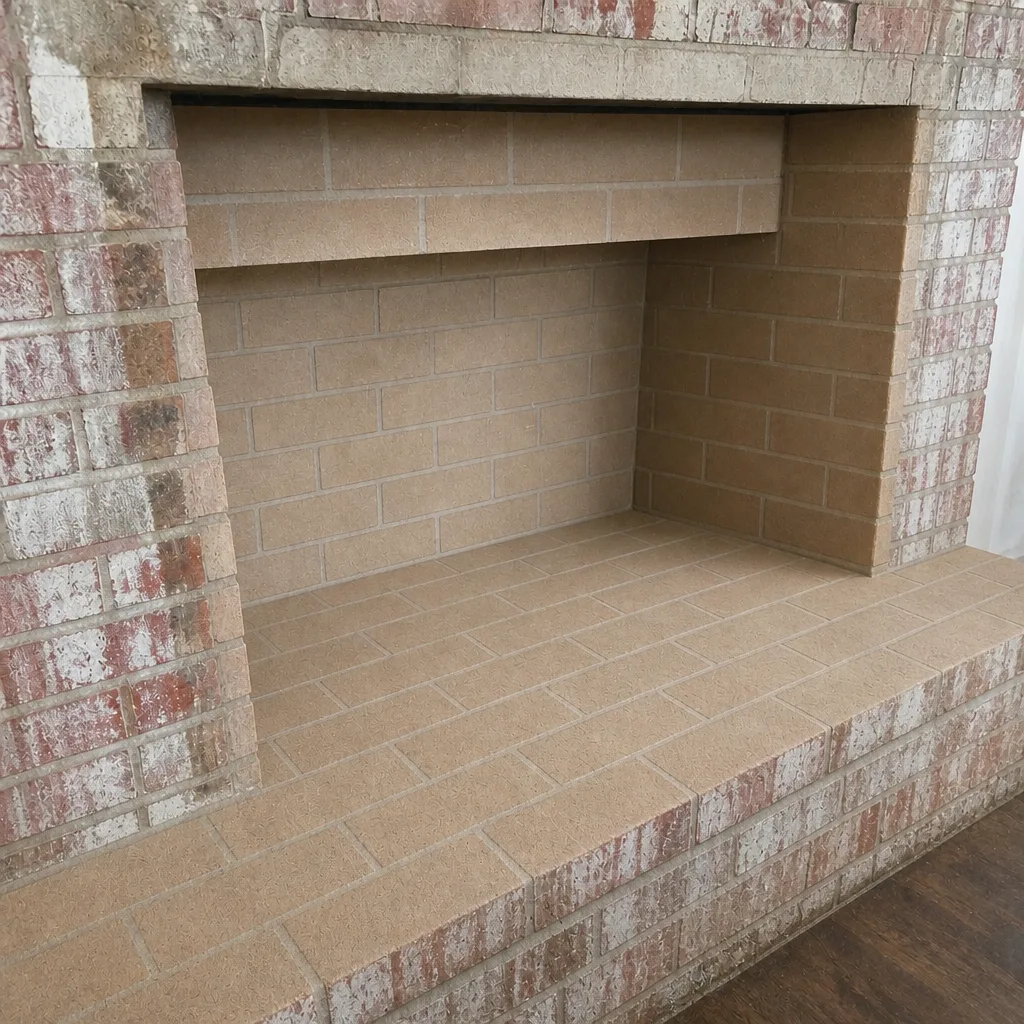
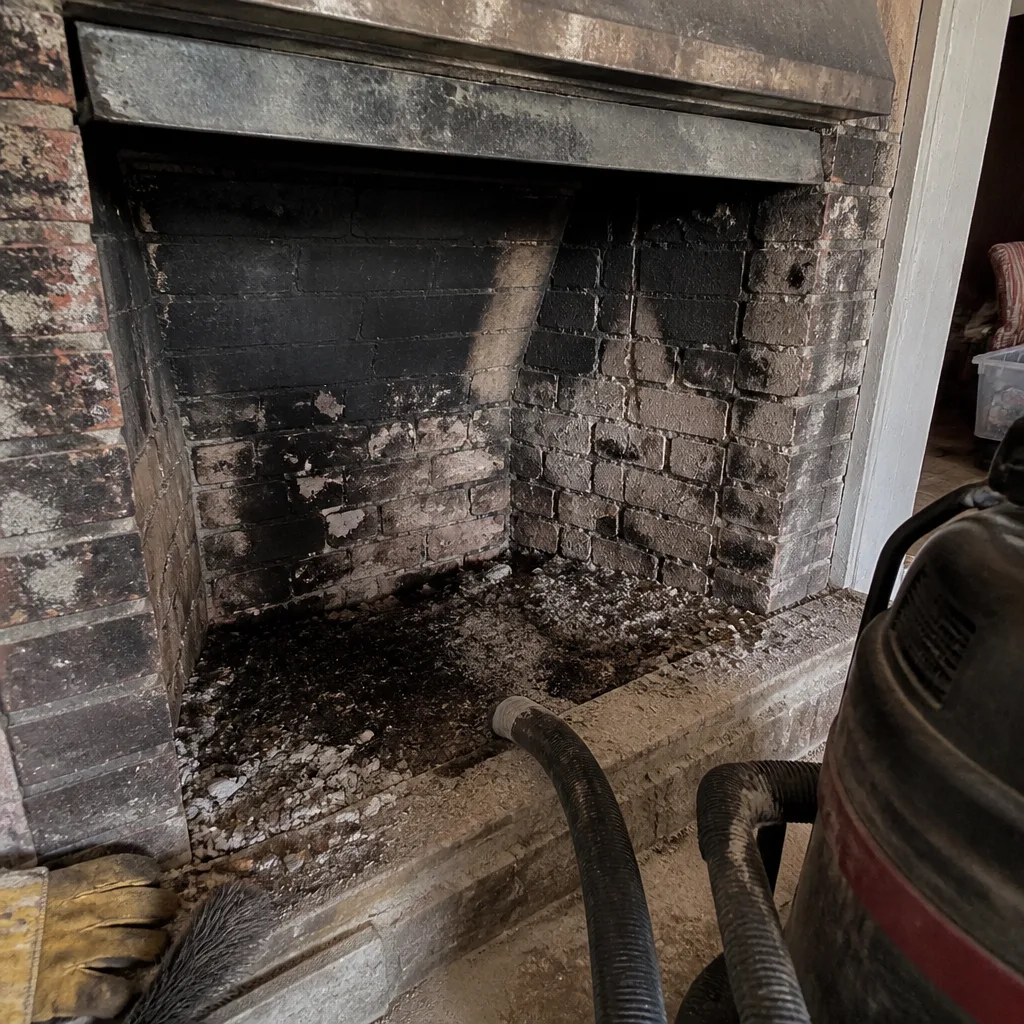
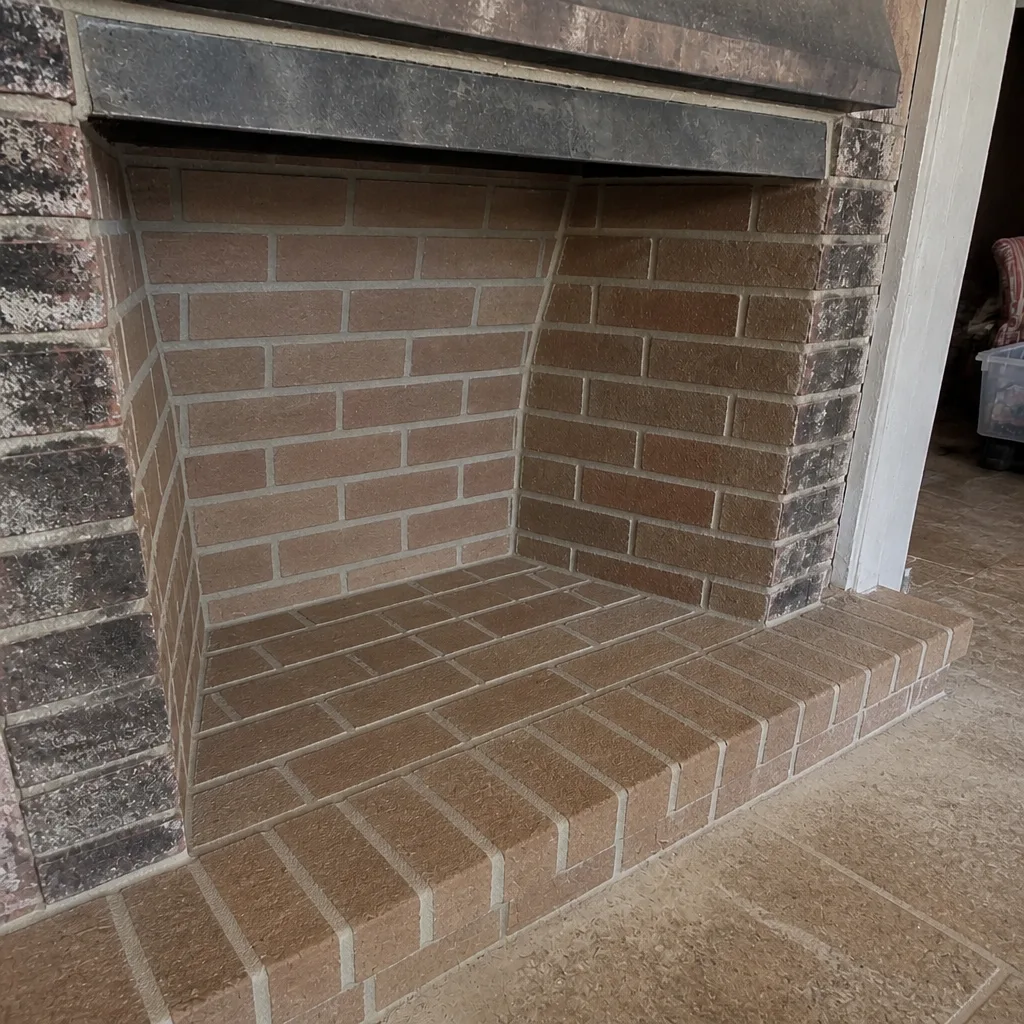
See the difference
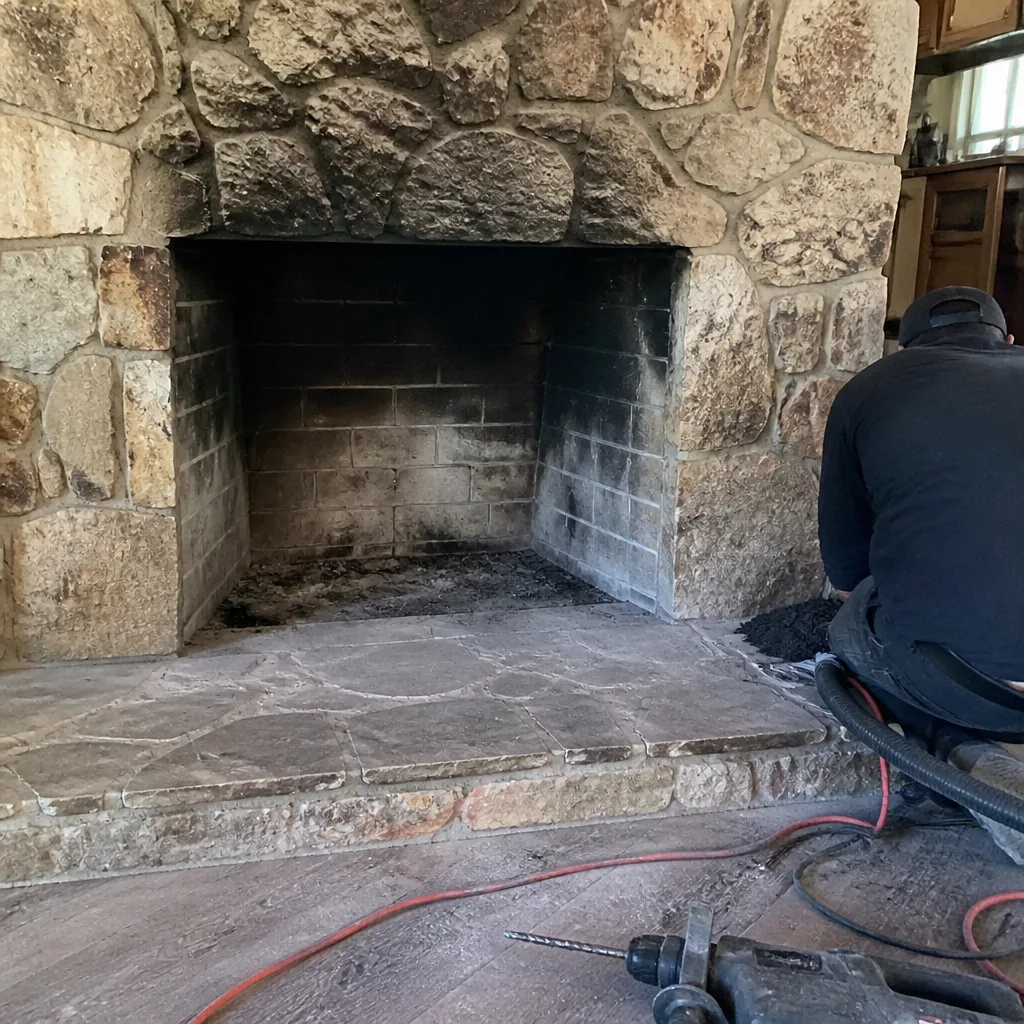 Before
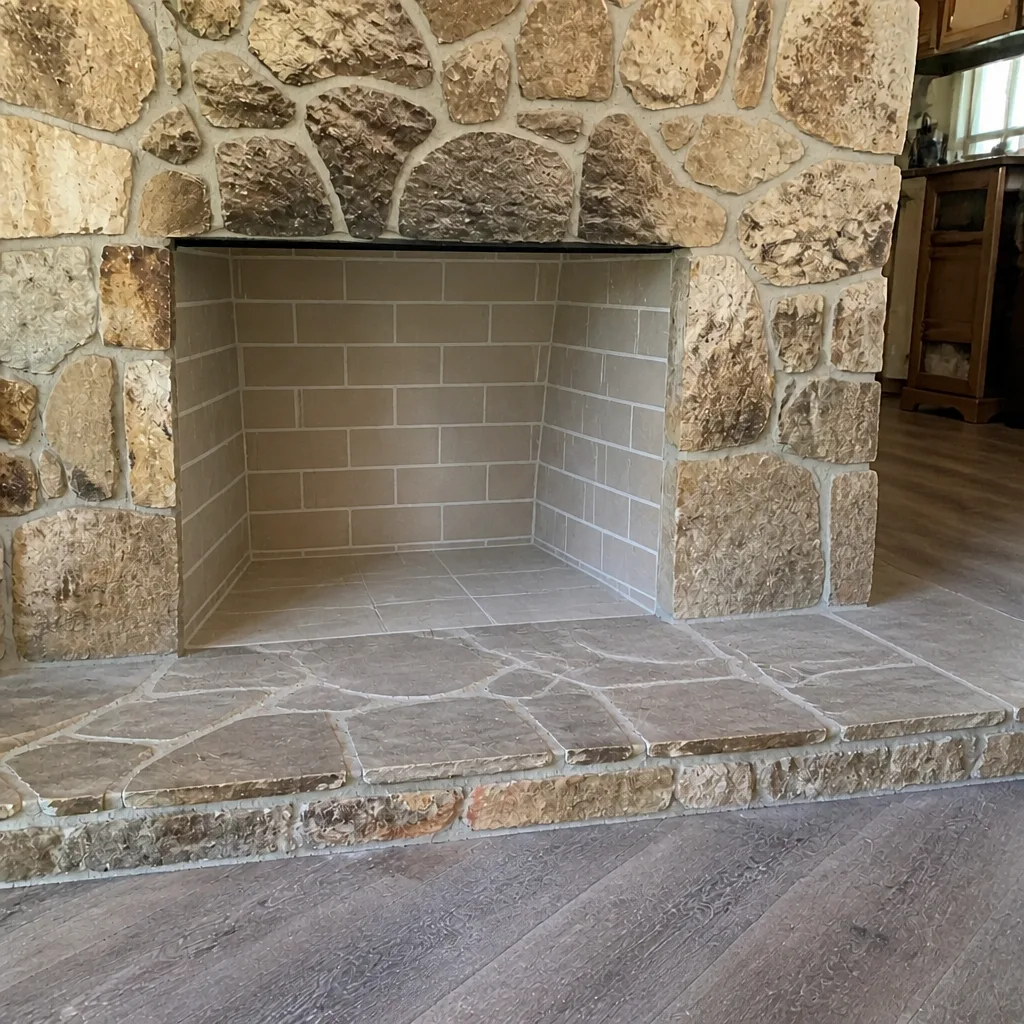 After
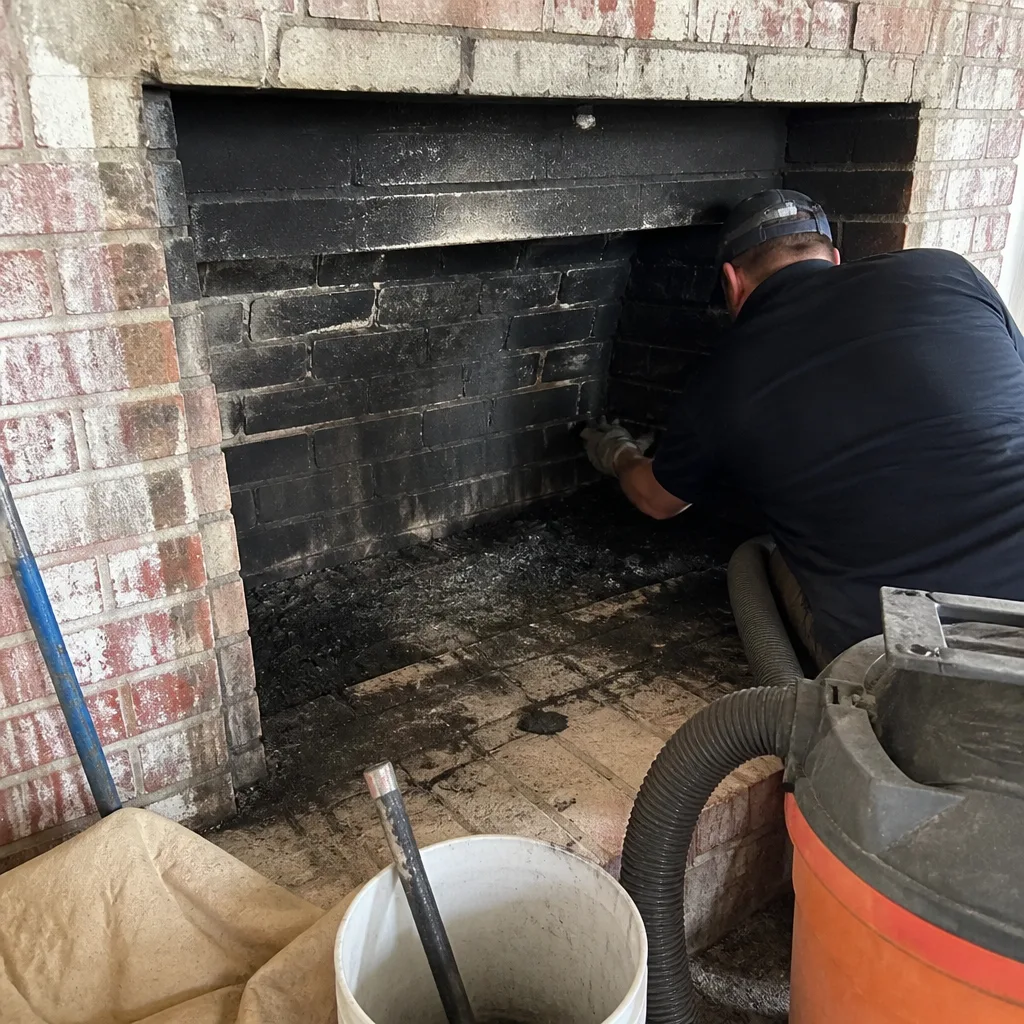 Before
 After
 Before
 After
When to Call a Professional
Call a professional when you smell a strong smoke odor on a warm day, when you see creosote staining or soot streaks on the firebox, when a chimney has visible cracking or a missing cap, or when it’s been a full season of regular use since the last cleaning. Call immediately if you’ve had a chimney fire, even a small one; a fire can damage the liner in ways you can’t see from the firebox. Gas appliances also deserve a look, since a blocked flue can send exhaust back into the home.
The cases where we tell people to wait are just as important. If a camera inspection shows a flue that’s sound and lightly used, we’ll say so and skip the upsell. Fort Myers Chimney Sweep offers free estimates in Fort Myers. Call (844) 834-3136. We answer 24/7. Fast dispatch from 7am to 7pm, Sunday through Friday.
Frequently Asked Questions
A standard chimney cleaning in Fort Myers runs about $175 to $350 in 2026. That covers a rotary brush sweep, vacuum containment, a firebox inspection, and a written report. Add-ons like a Level 2 camera inspection run $100 to $200, and liner work is quoted separately. Call (844) 834-3136 for an exact quote; estimates are free.
Only if the flue itself is damaged enough to need it. Not every chimney needs a liner, and many damaged flues can be restored with HeatShield ceramic resurfacer instead of a full replacement, which saves cost and disruption. The decision should rest on what a camera scan shows. You should get to see the footage and decide with the evidence. Call (844) 834-3136 to schedule an inspection and quote.
A chimney used regularly for wood fires should be swept about once a year. A gas appliance chimney typically needs less frequent cleaning but should still be checked. A chimney that sat unused for a long stretch deserves a look before the next burn season, since nests and debris build up in idle flues. If you’re unsure, a quick cleaning visit answers the question. Call (844) 834-3136.
Creosote builds up on the flue walls and becomes the fuel for a chimney fire. Stage 1 soot is easy, Stage 2 is crusty, and Stage 3 is glazed and hard enough that it takes rotary chemical treatment to remove. Carbon monoxide is the other risk, especially with gas appliances and a blocked flue. Skipping the cleaning doesn’t make the creosote go away; it makes the eventual removal more expensive. Call (844) 834-3136 for a quote.
Usually, yes. Scheduling both on one service visit shares the setup and access time, so the combined total is typically lower than two separate appointments. Dryer vent lint is a leading cause of dryer fires, so the combined visit addresses two fire-safety points in one stop. Call (844) 834-3136 and we’ll price both together.
The permit fee is part of the liner estimate, and the amount depends on the scope of the work and the county’s current fee schedule. We confirm the requirement before quoting and include it in the written estimate rather than leaving it out. If you want to check the fee yourself, the Lee County building department can give you the current number. Call (844) 834-3136 for a liner estimate.
The Bottom Line
A chimney cleaning in Fort Myers should cost $175 to $350 in 2026, and that price should buy you a real cleaning: rotary brush, HEPA vacuum, firebox inspection, and a written report. Add-ons like a camera scan at $100 to $200, animal exclusion, crown repair, and smoke chamber parging are separate, and liner work is priced per flue because length and damage drive it. The gap between two quotes is almost always a gap in scope, not a better deal. Compare the line items, ask for the report, and ask to see the camera footage. When the work is done by someone who knows the materials, the price makes sense.
Contact
Fort Myers Chimney Sweep handles cleaning, repair, and dryer vent service under one roof, with professional-grade materials from brands like DuraFlex, HeatShield, Gelco, and Famco, not hardware-store substitutes. Our technicians have up to 9 years of experience, and we’re licensed and insured. We’ll walk you through what your chimney actually needs, show you the evidence, and tell you plainly when a repair can wait. Call (844) 834-3136 for a free estimate. We answer 24/7. Fast dispatch from 7am to 7pm, Sunday through Friday.
Written by the team at Fort Myers Chimney Sweep.