
Last updated November 15, 2026
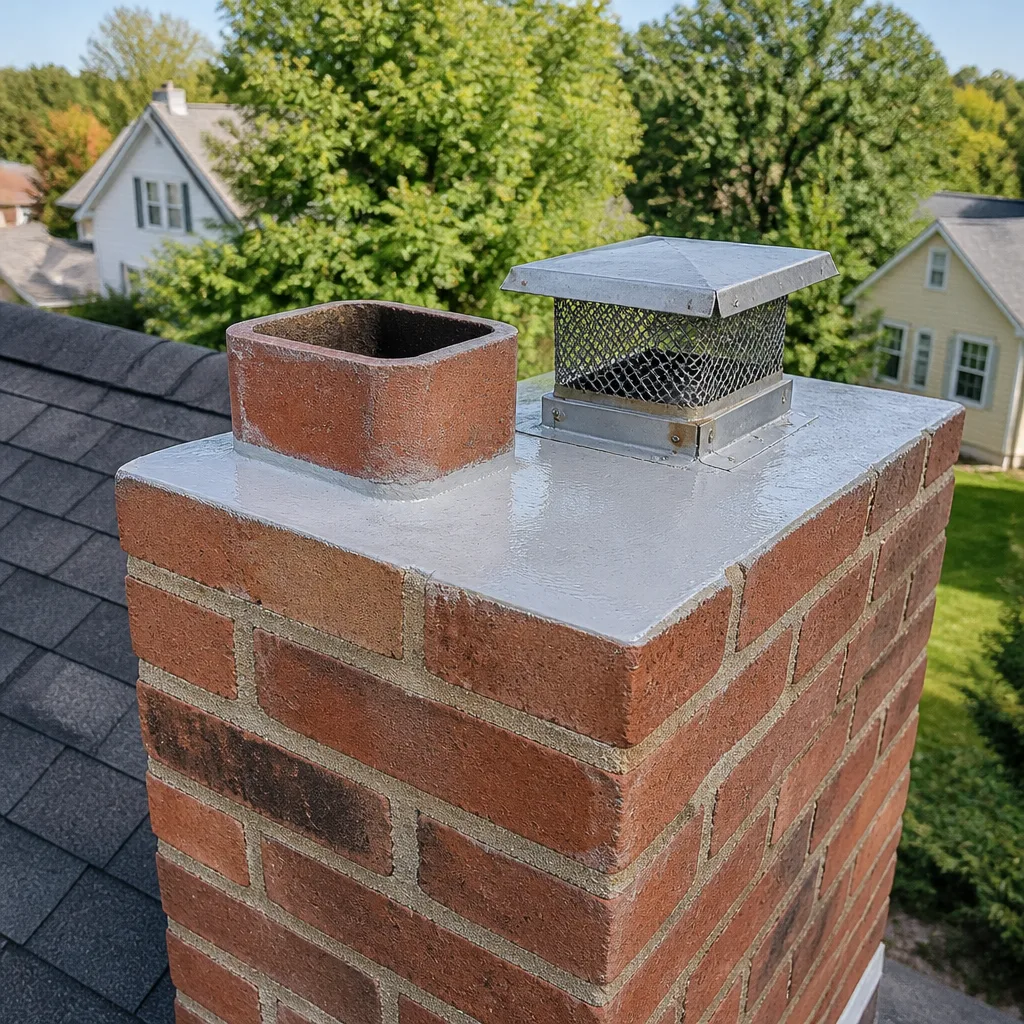 Sweep & inspection
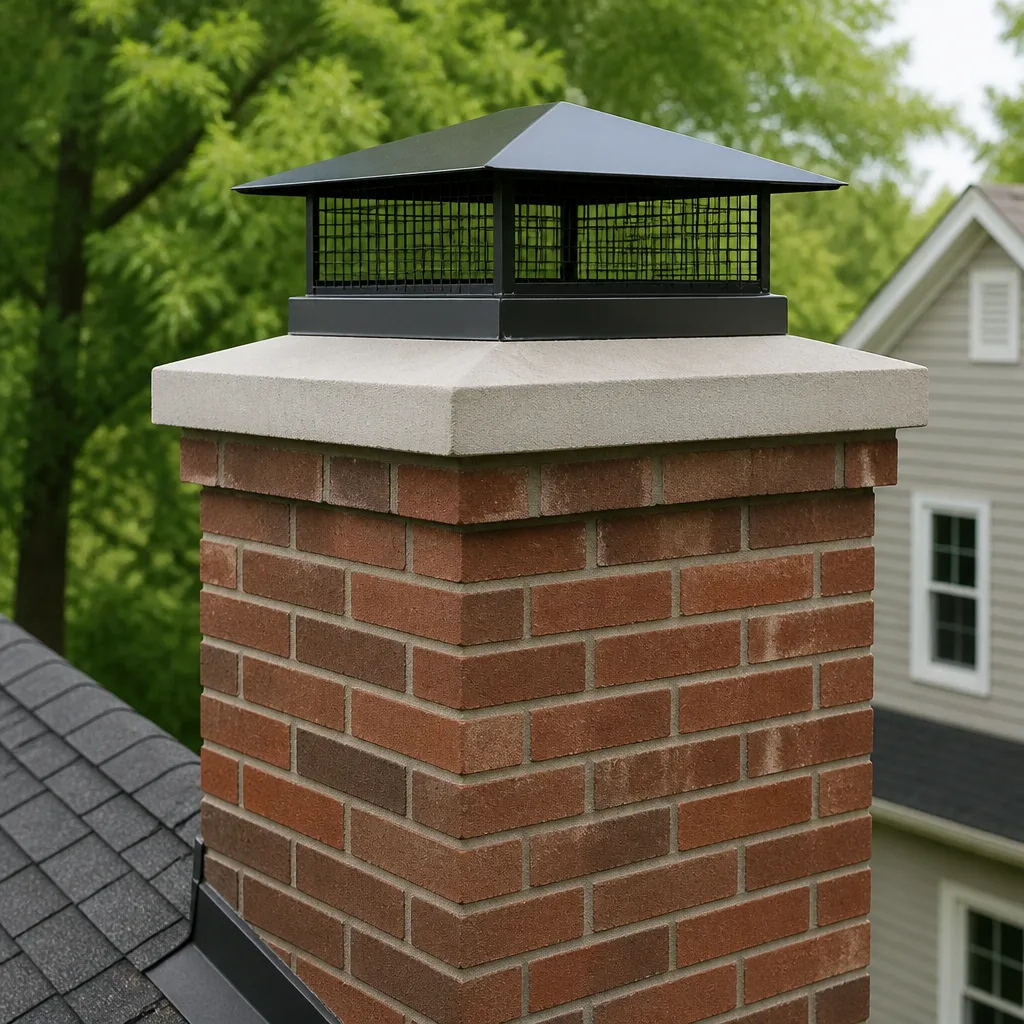 Caps & crowns
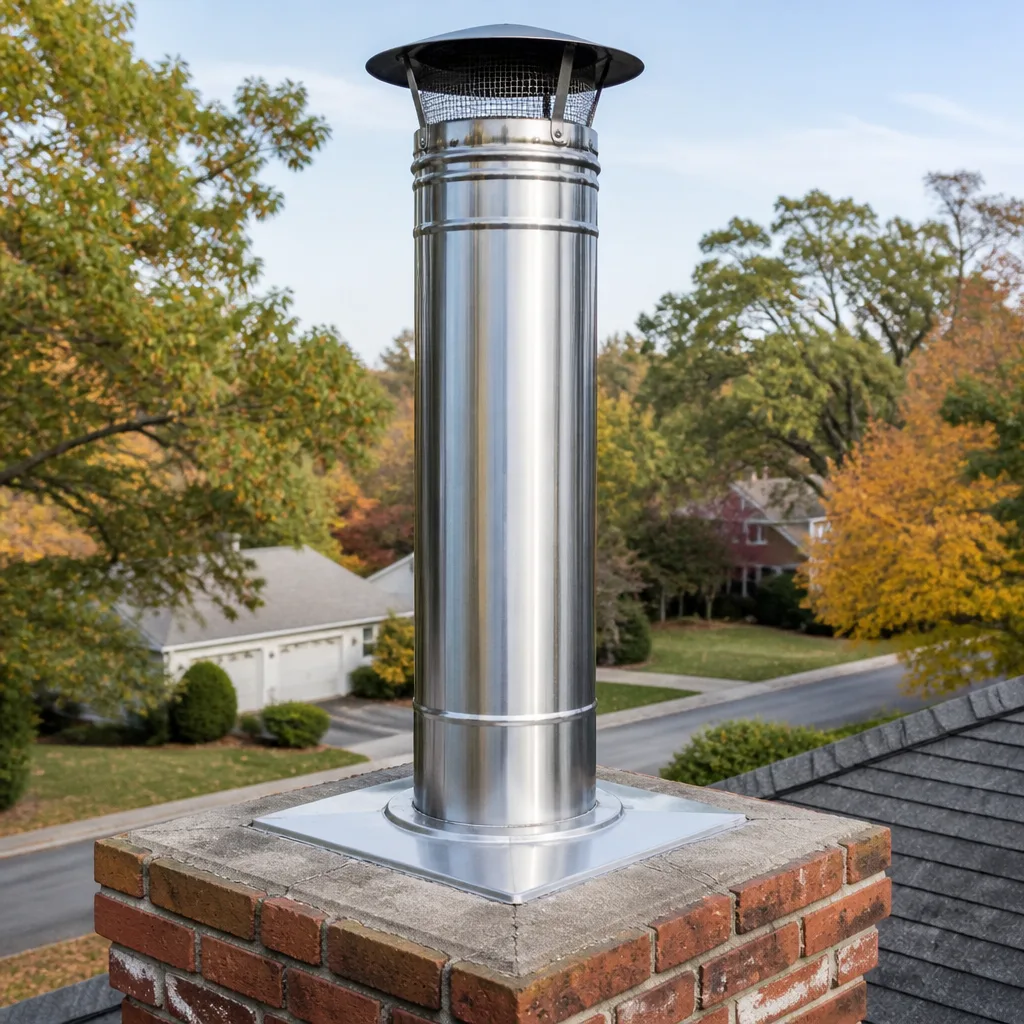 Flue relining
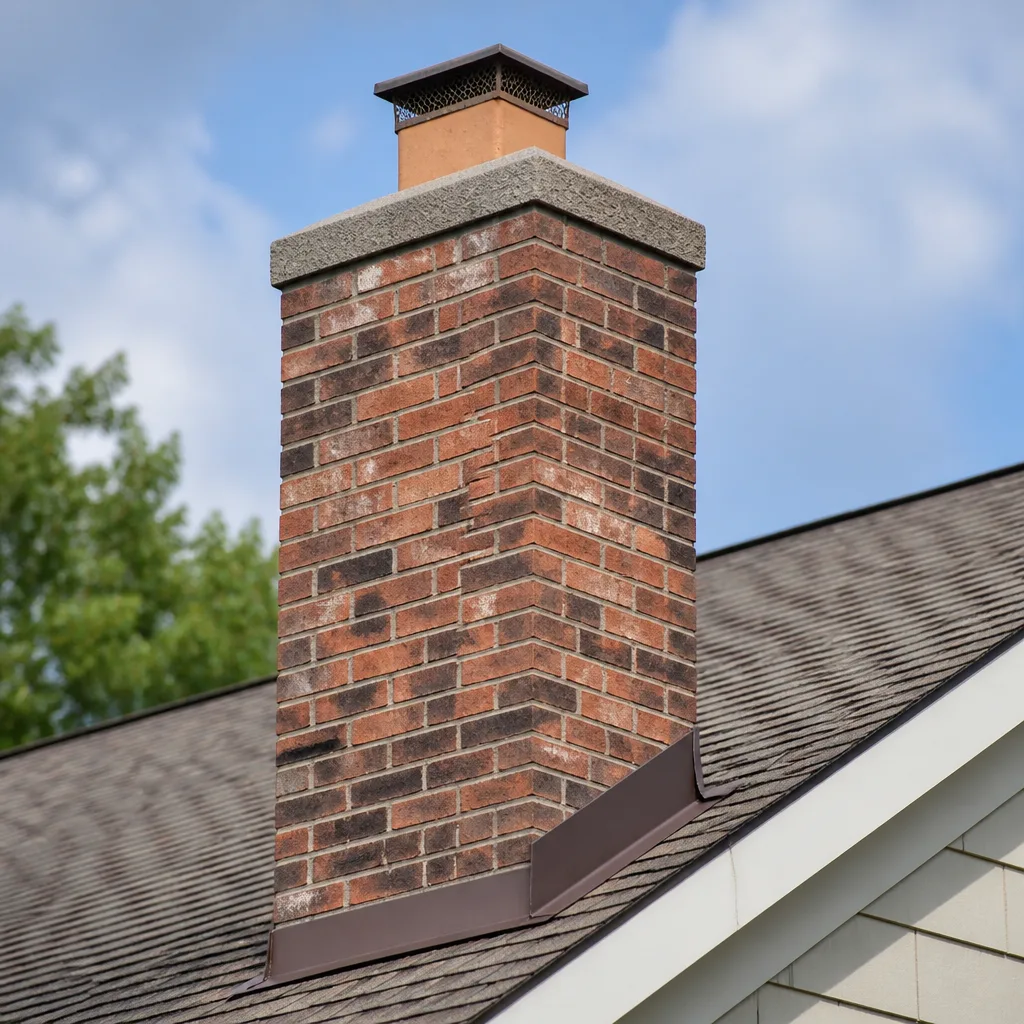 Masonry repair
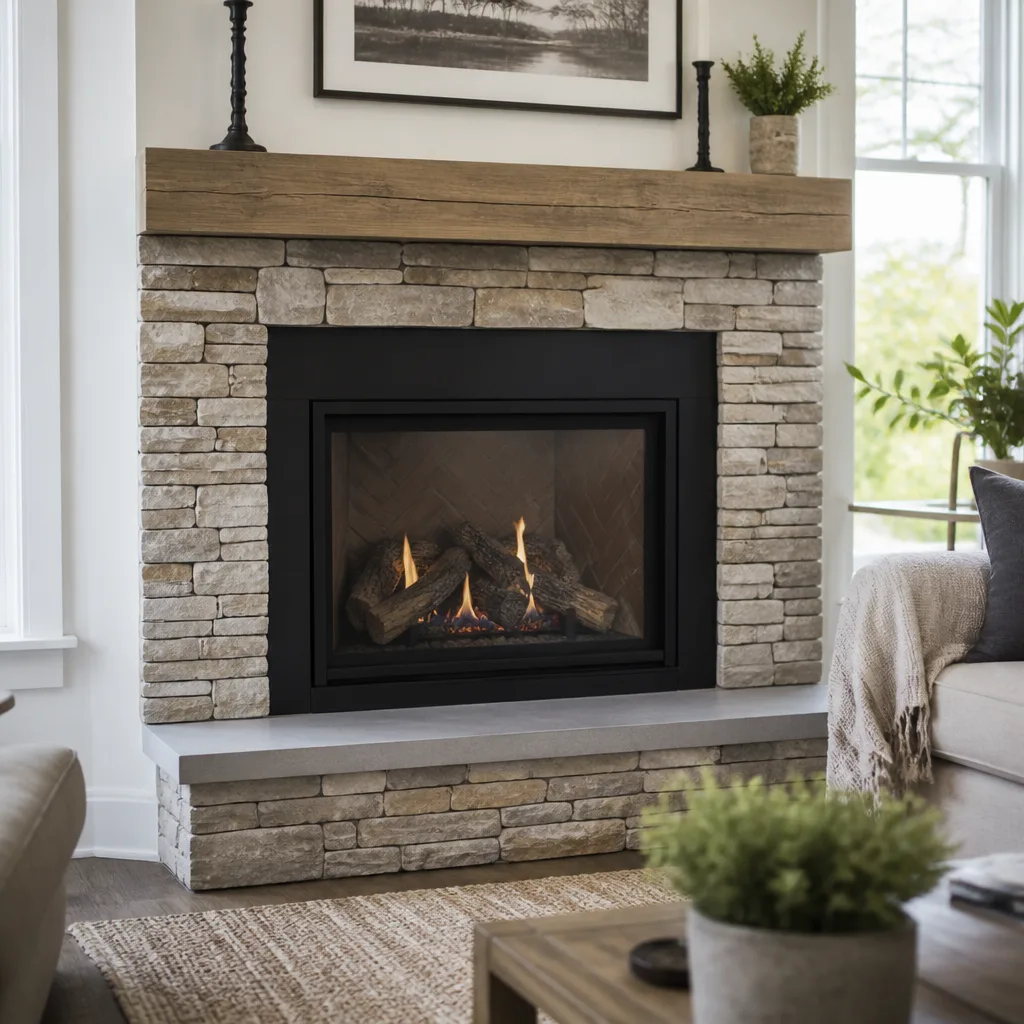 Gas fireplace service
Level 1 sweep and inspection to the NFPA 211 annual standard - flue, crown, cap, and flashing checked and photographed
Chimney sweep logs do not sweep chimneys. They loosen some creosote - which then falls where a brush and vacuum still have to collect it.
How to Hire a Chimney Cleaning Contractor in Fort Myers: A Step-by-Step Guide
Most homeowners vet a chimney sweep by price and a friendly phone manner. That’s backwards. The credential that actually separates a specialist from somebody who added chimney work to their service list after the last storm is one you can check yourself, in about two minutes, before anyone climbs a ladder. CSIA certification (Certified Chimney Sweep) requires a written exam and documented field hours, and every certified sweep holds a verifiable certification number. Ask for it, then check it at csia.org. This guide walks through the credentials that matter in Fort Myers, the questions to ask before booking, the red flags that show up after hurricane season, and how to read a written estimate line by line so you’re comparing scope, not just a number.
Quick Answer
To hire a chimney cleaning contractor in Fort Myers, verify three things independently: CSIA certification (checked at csia.org by certification number), state contractor licensing, and proof of liability insurance and workers’ compensation. Get a written estimate with line items for inspection, sweeping, and any repairs, confirm what camera equipment will be used to inspect the flue, and ask which liner brands the company installs. Walk away from door-to-door pitches, quotes given without an in-person inspection, and any estimate that doesn’t itemize the work. Call (844) 834-3136 for a free estimate from our team.
Styles & brands we work with
- Sweep & inspection
- Caps & crowns
- Flue relining
- Masonry repair
- Gas fireplace service
Table of Contents
- The Three Credentials That Actually Matter
- How to Verify Each Credential Yourself
- Red Flags Specific to Fort Myers After Storm Season
- Questions to Ask Before You Book
- Why the Lowest Quote Usually Isn’t a Sweep
- How to Read a Chimney Written Estimate
- When to Schedule Chimney Work in Fort Myers
- Common Mistakes to Avoid
The Three Credentials That Actually Matter
Fort Myers has no shortage of people willing to clean a chimney. What it has less of is people who can prove they were trained to do it, insured to be on your roof, and licensed to take on the repair work that often follows a sweep. Three credentials separate the two groups, and each can be checked without taking anyone’s word for it.
1. CSIA Certified Chimney Sweep. The Chimney Safety Institute of America issues this certification after a proctored written exam and documented field experience. Certified sweeps carry a certification number and renew through continuing education. It signals that the person on your roof knows what creosote looks like at each stage, understands flue sizing, and has been tested on venting fundamentals. It is not the only credential in the trade, but it is the one most consistently tied to competent chimney work.
2. NFI certification. The National Fireplace Institute certifies technicians on specific fuel types: wood, gas, and pellet. NFI credentials are especially relevant if your Fort Myers home runs a gas fireplace or gas appliances vented through a chimney, since gas venting has different clearance and termination requirements than wood. Ask which NFI certification the technician holds and whether it matches your appliance.
3. State contractor licensing. Chimney sweeping itself is a service, but liner replacement, masonry repair, and cap installation touch structural and code territory. Ask for the state license number and verify it through Florida’s licensing database. A company that can’t produce a license number for repair work is telling you something about how they handle the repair side of the job.
None of these credentials is a guarantee of a perfect visit. Together, they tell you the contractor has been tested, trained, and is accountable to a body that can pull their certification if they cut corners. In a market where storm damage brings out unlicensed operators, that accountability is the whole point.
How to Verify Each Credential Yourself
Verification is the step homeowners skip most often, usually because the contractor sounds confident. Confidence is free. A certification number takes a minute to check, and it’s the difference between hiring a specialist and hoping the person on your roof knows what they’re looking at.
- Ask for the CSIA certification number in writing. Request it before the appointment, by text or email. A certified sweep has it memorized or on hand.
- Look up the number at csia.org. The site’s search shows whether the certification is current and in good standing. An expired certification is a real signal, and it’s one you only catch by checking.
- Ask for the state license number for repair work. Verify it through Florida’s licensing portal. Confirm the license covers the type of work being quoted, not just general contracting.
- Request a certificate of insurance. Ask for liability insurance and workers’ compensation coverage specifically. If a technician is injured on your roof and the company doesn’t carry workers’ comp, the exposure can land on you.
- Ask for the company’s physical address and confirm it. A real local business has an address you can find independently.
We’ve had homeowners call us after a door-to-door sweep left creosote on the roof and no paperwork behind, and the first thing they ask is how to check credentials going forward. The answer is this list, done in order, before booking. It’s five questions, and a legitimate specialist answers all five without hesitation. For more on how a properly run visit works, see our chimney sweep service page.
Red Flags Specific to Fort Myers After Storm Season
Hurricane season in Southwest Florida brings a predictable second wave after the weather clears: contractors of every description going door to door with storm-damage pitches. Some are legitimate and simply busy. Others added chimney work to their service list because roofing and debris removal slowed down. The red flags below are the ones that show up most in Fort Myers.
- Door-to-door solicitation after a storm. A truck pulling up uninvited with a “we’re in the neighborhood” pitch is a pattern, not a coincidence. Legitimate chimney specialists book through calls, referrals, and scheduled appointments. If someone knocks, ask for their certification number and watch what happens next.
- A quote given without an in-person inspection. You cannot price a chimney cleaning accurately by phone, and you certainly can’t price a liner repair that way. A quote over the phone is a placeholder. A quote after visual inspection only is a guess.
- No local physical address. Storm-chasers operate out of temporary setups and move on. A business with no verifiable local address has no reason to stand behind the work.
- Pressure to decide today. “This price is only good while we’re in the area” is a sales tactic, not a service policy. A written estimate doesn’t expire in an hour.
- No camera equipment mentioned. A chimney inspection without a camera can’t show you the inside of the flue. If the contractor can’t describe the inspection equipment, they probably aren’t using any.
- Unwillingness to put anything in writing. No written estimate, no certification number, no insurance certificate. Three refusals in a row means stop the conversation.
The pattern is consistent: legitimate contractors welcome the questions, because the credentials are the reason to hire them. Storm-season operators count on homeowners not asking. In our experience, the ones who push back hardest on a certification request are the ones who don’t have one.
Questions to Ask Before You Book
The right questions surface a contractor’s actual capability in a few minutes. These are the ones we recommend asking on the phone, before anyone schedules a visit.
- “Do you carry liability insurance and workers’ compensation?” Ask for the certificate before the appointment. Liability covers damage to your home; workers’ comp covers the technician if they’re injured on your property. A contractor missing either one is passing risk to you.
- “What camera equipment do you use for liner inspection?” The answer should name a specific type: a flue camera on a rod or cable, or a video inspection system. “We look down from the top” is not an inspection. You want to see the interior of the flue on a screen, with images you keep.
- “What brands of liner systems do you install?” A specialist will name the systems they work with, like DuraFlex flexible liners or HeatShield ceramic resurfacer. A generalist will say “whatever’s available.” Professional-grade materials come from trade suppliers, not the hardware store.
- “Will I get photos or video of the flue before and after the sweep?” A camera report is how you verify the work was done and see the condition of the liner for yourself. Ask what you’ll receive and in what format.
- “What’s included in the sweep, and what’s an add-on?” Sweeping, inspection, and a written report should be clear line items. If the answer is vague, the estimate will be too.
- “Are you CSIA certified, and what’s your certification number?” Then verify it. This question is the fastest filter in the conversation.
- “Do you clean dryer vents as well?” Dryer vent cleaning addresses a separate fire risk in the same home. A company that handles both can check them in one visit rather than sending you to a second contractor.
Ask these before booking, not after. A specialist answers every one of them without flinching, and often adds detail you didn’t ask for. That’s the response of someone who does the work regularly.
Why the Lowest Quote Usually Isn’t a Sweep
The lowest quote on your list is often not a chimney cleaning at all. It’s a visual check from the ground or the firebox, sometimes a quick brush pass, and a bill. There’s no camera inspection, no flue measurement, no report on creosote stage or liner condition. What looks like a bargain is a different service with a similar name, and you won’t know which one you bought until something fails.
A real chimney sweep involves more than a brush on a pole. The technician sets up drop cloths and a work area, isolates the flue, sweeps the full run from the top down with the right brush for the flue type, vacuums the firebox and smoke chamber, and inspects the interior with a camera. The inspection is where the value sits: creosote at the glazed stage, cracks in the flue tiles, gaps at the joints, a missing or damaged cap, and any obstruction from debris or nesting. None of that shows up in a lowball quote.
Comparing quotes on price alone is comparing an inspection and a cleaning against a visual glance. Compare on scope instead:
- Does the quote include a camera inspection of the full flue, not just the firebox?
- Does it include a written report with photos you keep?
- Does it state which brush type and equipment will be used?
- Does it separate sweeping from repair line items, so you can see what each costs?
- Does it name the brands used for any repair, or leave it open?
Our flat-price sweep is agreed before booking, and the camera inspection and photo report are included. The price isn’t the lowest in Fort Myers, and it isn’t meant to be. When a homeowner compares what they’re actually getting, the gap between quotes usually closes. You can read more about how we run the visit on our Fort Myers Chimney Sweep page, and if you’re in the market for a second opinion on a quote, call us.
How to Read a Chimney Written Estimate
A written estimate is where a contractor either shows their work or hides it. The line items below are the ones that should appear. If any are missing, ask why in writing before signing anything.
- Sweeping, with the flue type and level named. “Sweep one flue, wood-burning fireplace” is specific. “Chimney service” is not.
- Inspection scope. The estimate should state that the full flue is inspected by camera, and whether the inspection covers the firebox, smoke chamber, damper, and cap.
- Report and photos. A line confirming you receive a written report with images. This is your evidence if a repair is later recommended.
- Repair line items, priced separately. Cap replacement, crown repair, liner restoration, and masonry work should each have their own line. Bundled “repair as needed” language is a blank check.
- Materials and brands named. If a repair is quoted, the materials should be named: a Gelco cap, a DuraFlex liner, HeatShield resurfacer, Famco venting components, Copperfield accessories. Vague material language means the contractor hasn’t decided or won’t say.
- Clear statement that the written estimate sets the final price. Prices are estimates until the written estimate is signed, and the final job price follows that document.
Push back on these phrases: “miscellaneous,” “as required,” “TBD on site,” and “labor included” without a scope attached. Each one can expand after the work starts. A specialist who knows the trade writes a clear estimate because they’ve priced this work many times. The estimate itself is a credential.
When to Schedule Chimney Work in Fort Myers
Fort Myers winters are mild enough that a fireplace gets real use for a few months, not a full season, and that shapes the best time to schedule. The practical window is before the first cool evenings, when the fireplace comes back into rotation and the wait for an appointment lengthens. Sweeping before burning season means the flue is clean when you need it, and any repair surfaced by inspection gets completed while the weather is still cooperative.
If you’ve just bought the house, schedule a sweep and inspection before lighting the first fire. A flue inspection on a newly purchased Fort Myers home often turns up conditions the previous owner never noticed: a cracked crown, a missing cap, or a liner with gaps that only show on camera. Knowing the condition of the liner before your first burn is simpler than discovering it mid-season.
Gas appliance owners should think about this differently. A gas fireplace or gas vent system doesn’t load the flue with creosote the way wood does, but it still needs an annual inspection to check venting, clearances, and termination. A blocked or deteriorating vent on a gas appliance is a carbon monoxide concern, not a creosote concern, and it’s the reason an annual check matters even when the fireplace sees lighter use.
Dryer vent cleaning follows the same logic as chimney work, with less seasonal rhythm. Lint accumulates year-round, and the vent is a separate fire risk. When we’re out for a chimney visit, we check both; our dryer vent cleaning service covers the vent run, the termination, and any trapped lint the homeowner can’t see. One call handles both risks rather than two separate contractors.
Common Mistakes to Avoid
- Booking off a phone quote. A price given without an in-person inspection has no basis. Ask for it to be confirmed in writing after someone actually looks at the flue.
- Skipping the certification check. It takes two minutes at csia.org and is the single most reliable filter. A contractor who’s certified won’t mind; one who isn’t will get defensive.
- Comparing quotes on price alone. A $99 visual check and a full camera inspection with a report are different services. Compare line items, not totals.
- Hiring after a storm without vetting. Post-hurricane door-knocking is the busiest season for unlicensed operators in Fort Myers. Slow down and run the credential checks even when the pitch is urgent.
- Never asking what the liner looks like. The liner is the safety-critical part of the chimney. If you don’t see the camera footage, ask for it; your concern isn’t the sweep, it’s whether the flue is intact.
- Ignoring the dryer vent. Lint accumulation in a dryer vent is a leading cause of household dryer fires. A chimney visit that doesn’t look at the vent leaves half the fire risk unaddressed.
- Accepting “repair as needed” on the estimate. Push for named materials and priced line items on any recommended repair. Vague language is where estimates grow.
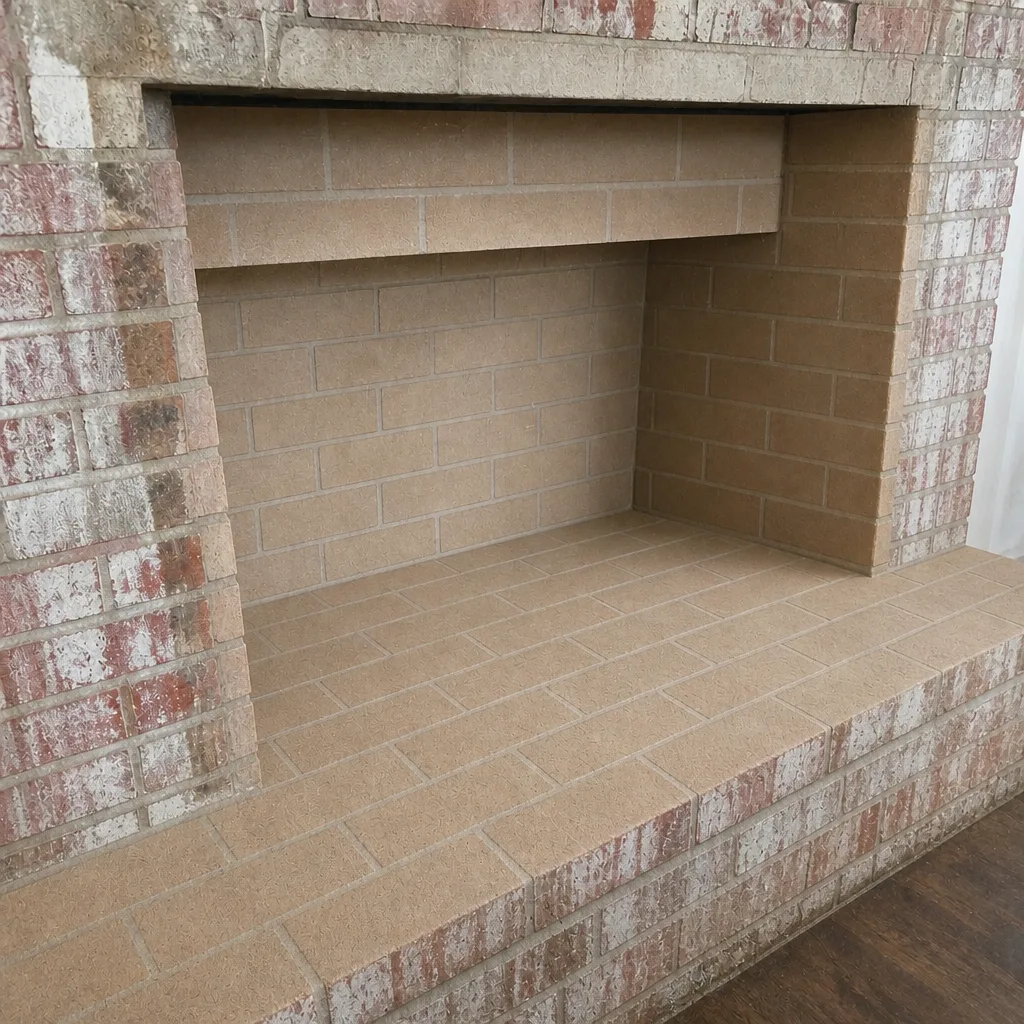
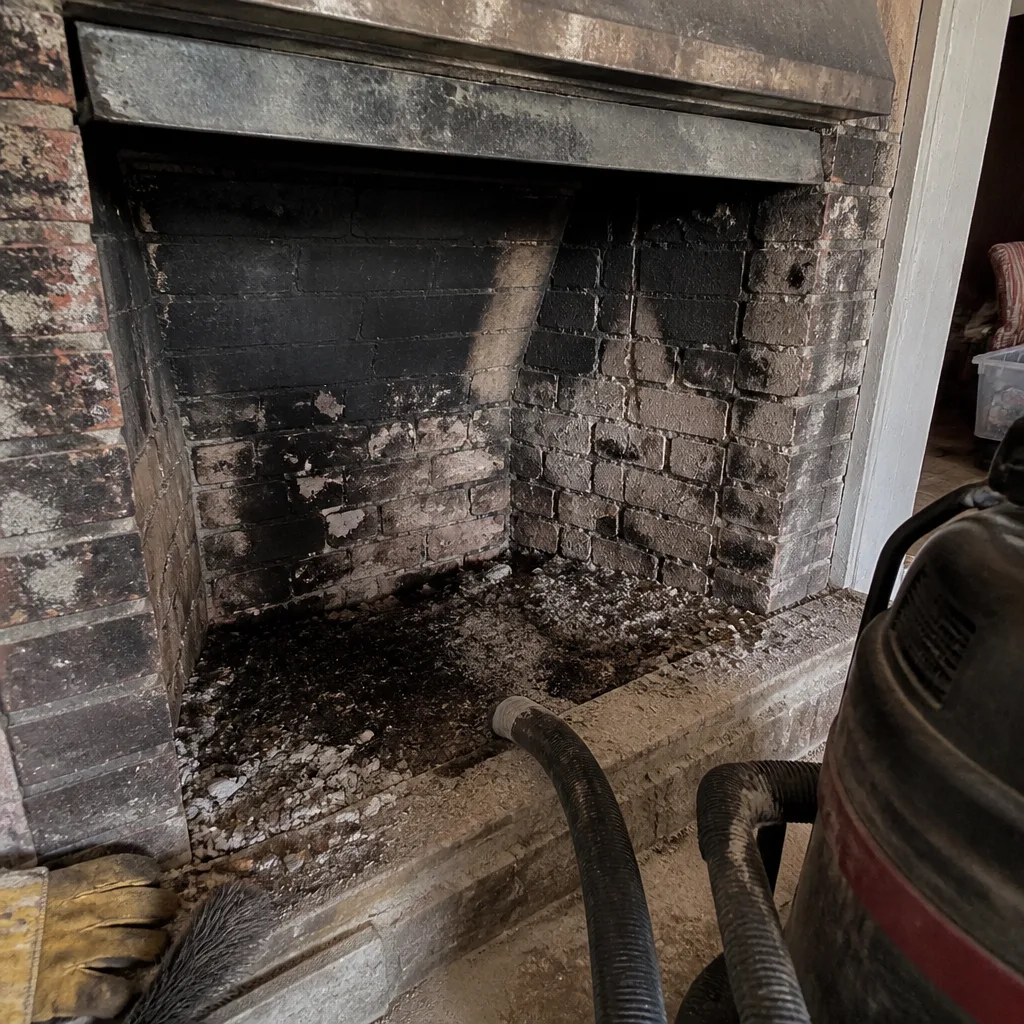
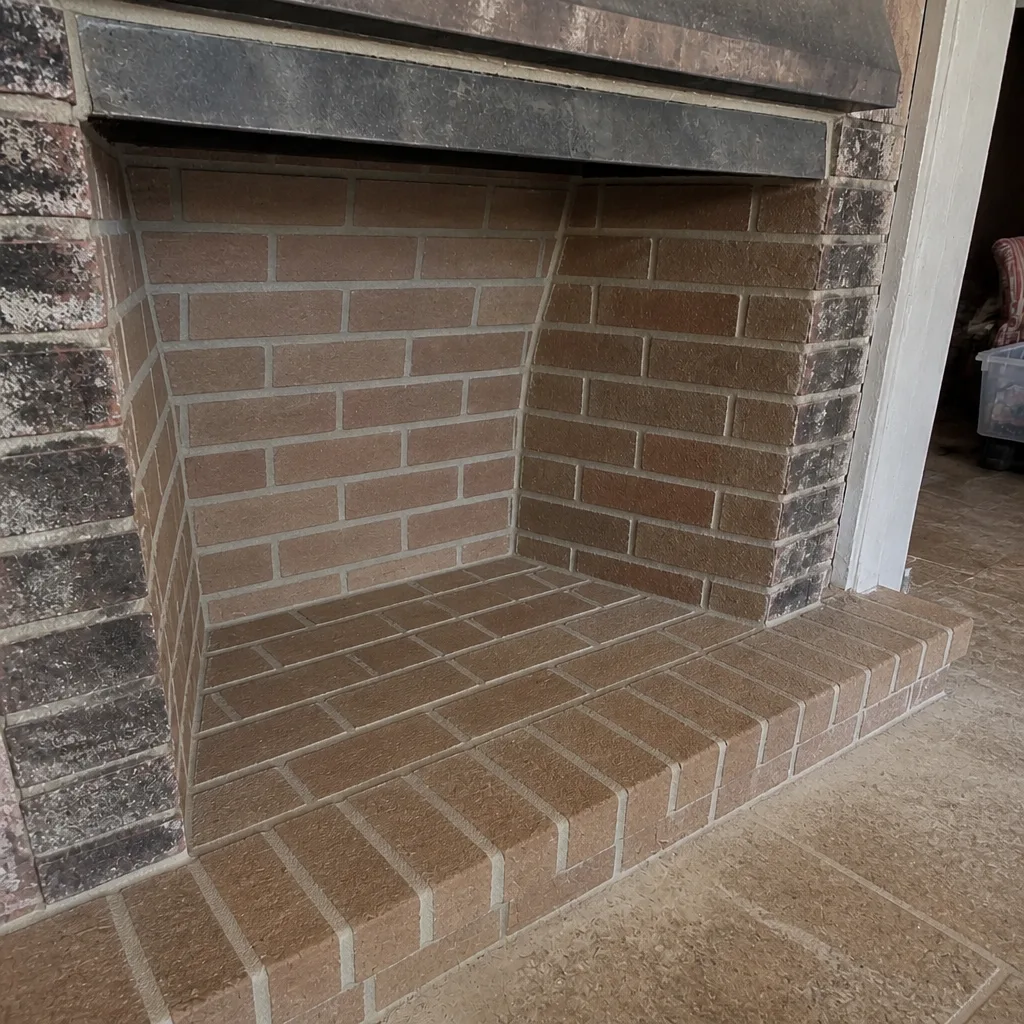
See the difference
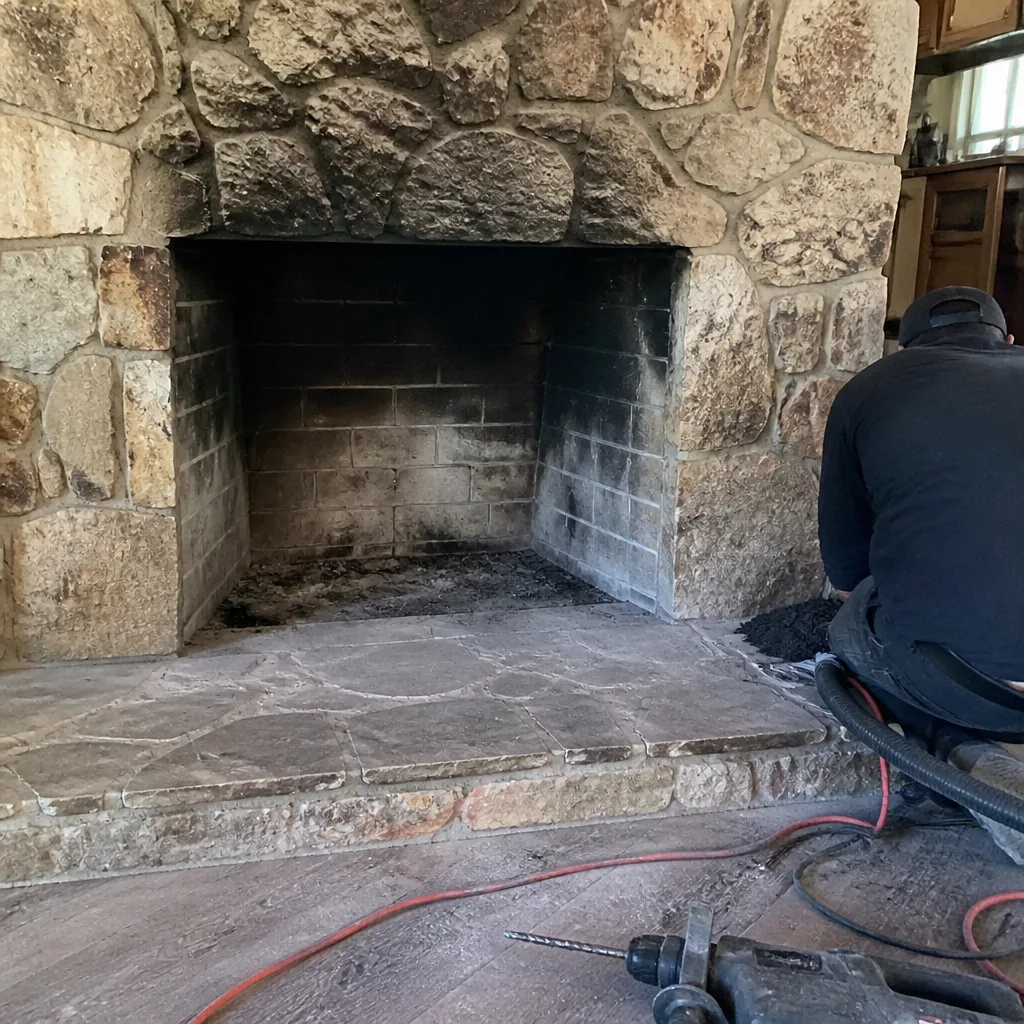 Before
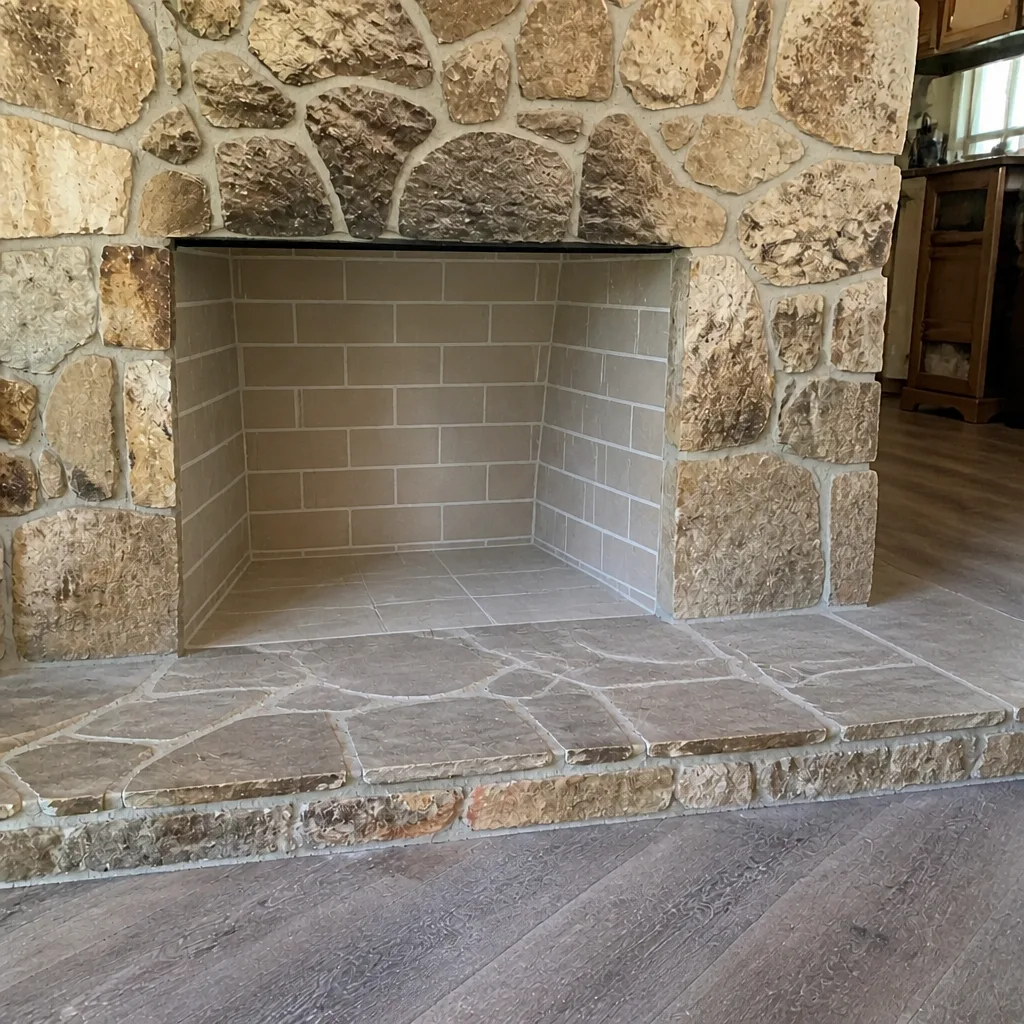 After
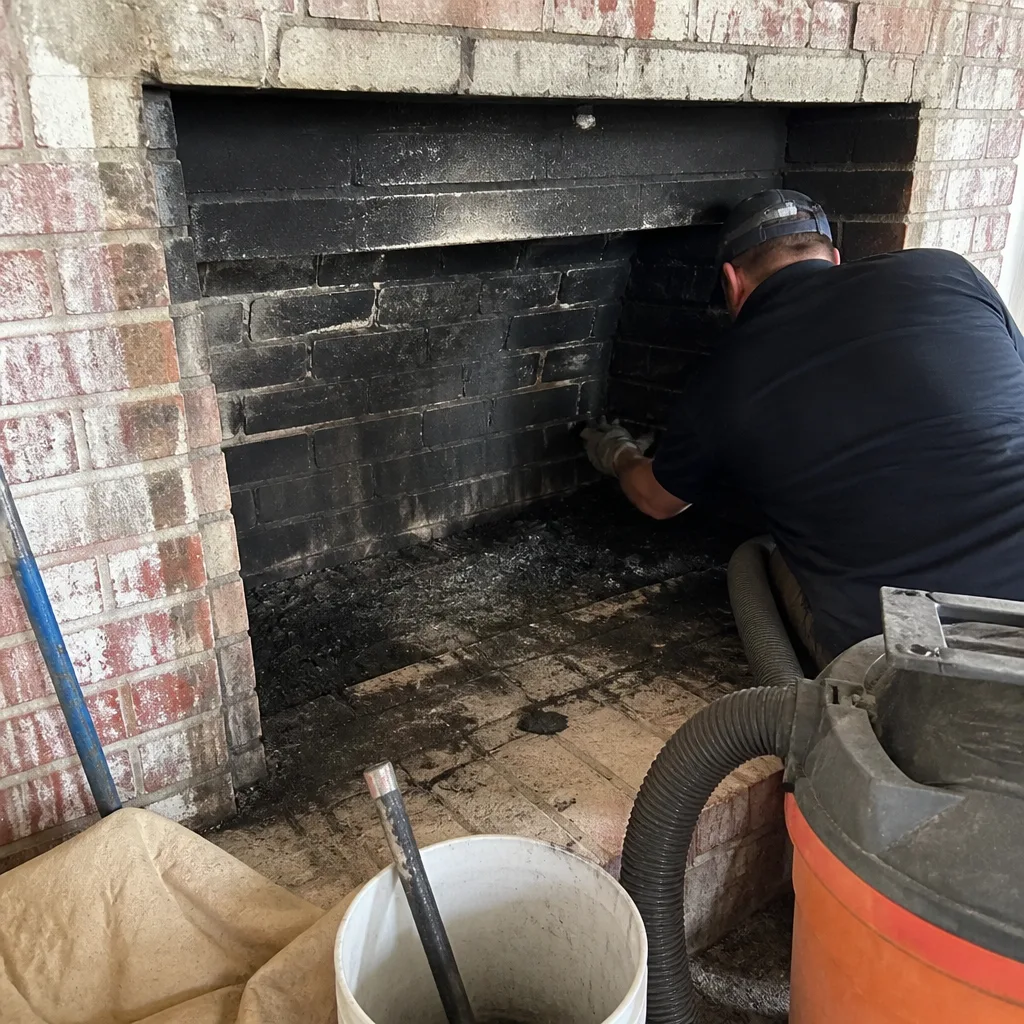 Before
 After
 Before
 After
When to Call a Professional
Call a professional before the first fire of the season, not after the first sign of trouble. If it’s been a year or more since the last sweep, if you’ve just bought the house, or if the fireplace has been dormant through the summer, schedule a sweep and camera inspection. Call sooner if you notice creosote buildup beyond a thin, sooty layer; a cracked or missing chimney cap; a damper that won’t open cleanly; smoke back-drafting into the room; or a gas appliance vent that looks deteriorated. Those are the conditions a trained technician should assess on sight, not from a distance. High-tension chimney components and gas venting are not places for a homeowner with a ladder and a flashlight; the risks include fire and carbon monoxide, and a qualified sweep is the correct call. Fort Myers Chimney Sweep offers free estimates in Fort Myers. Call (844) 834-3136. We answer 24/7. Fast dispatch from 7am to 7pm, Sunday through Friday.
Frequently Asked Questions
A chimney sweep in Fort Myers is priced per job by a written estimate, so the number depends on the flue type, how much creosote has built up, and whether a repair is needed. We quote a flat price agreed before booking, with camera inspection and a photo report included, so you know what the visit covers before anyone arrives. Call (844) 834-3136 for an exact quote; estimates are free.
Not always, and that’s exactly why an independent liner replacement should never be recommended without camera evidence you can see yourself. A liner that looks intact from the ground can have gaps at the joints or cracks that only show on a flue camera. If the footage shows damage, the fix isn’t necessarily a full replacement; HeatShield ceramic resurfacer can restore a damaged flue in many cases without full demolition, and DuraFlex flexible systems can reline complex, offset flues that rigid liners can’t navigate. Nothing is recommended without camera evidence, and we’ll tell you plainly when a repair can safely wait. Call (844) 834-3136 for an honest assessment.
Sweep a wood-burning chimney annually, or more often if you burn heavily or notice creosote building up past a thin, sooty layer. Gas and pellet appliances need an annual inspection of the vent system even though they don’t load the flue with creosote the way wood does. For a Fort Myers fireplace used through the cooler months, a sweep before burning season is the practical schedule. Call (844) 834-3136 to book one.
Creosote accumulates in the flue every time the fireplace burns, and at the glazed stage it becomes a real fire risk; chimney fires are a known cause of house fires. Skipping the sweep also means skipping the inspection, so a cracked liner, a failing cap, or a blocked gas vent can go unnoticed for years. Carbon monoxide is the quiet risk with gas venting. Call (844) 834-3136 to get it checked. Estimates are free.
No law requires a chimney sweep to hold CSIA certification, but it’s the credential most consistently tied to tested, competent work and it’s the easiest one to verify. Check the certification number at csia.org before booking. If the contractor can’t produce a number, that’s your answer. We’re happy to point Fort Myers homeowners toward the check even if they don’t hire us; call (844) 834-3136 with questions.
Yes. Dryer vent cleaning is a dedicated service alongside our chimney work, and it addresses the leading appliance-related house fire cause: lint accumulation in the vent run. Booking the chimney and the dryer vent in one visit means one contractor handles both risks. Call (844) 834-3136 to schedule. Fort Myers homeowners keep telling us they didn’t realize how much lint was trapped until they saw it.
The Bottom Line
Hiring a chimney cleaning contractor in Fort Myers comes down to verification, not conversation. Ask for the CSIA certification number, check it at csia.org, confirm the state license and insurance, and ask what camera equipment will be used and which liner brands the company installs. Steer clear of post-storm door-knocking, phone quotes, and estimates without line items. Compare scope, not price. The lowest quote is often a visual check, and a real sweep includes a camera inspection with a report you keep. When a repair is recommended, expect the camera evidence behind it and named materials like DuraFlex or HeatShield. That’s how you hire a specialist. Call (844) 834-3136 for a free estimate from our team in Fort Myers.
Written by the team at Fort Myers Chimney Sweep.